Centre Directs Maharashtra Wetland Authority To Prioritise Tree Plantation Around Mumbai's Water Supply Lakes
The Union Environment Ministry has directed the Maharashtra State Wetland Authority to take priority action on a Mumbai resident’s plea seeking large-scale tree plantation around lakes supplying water to urban areas. The move aims to strengthen water security, improve groundwater recharge, reduce pollution and boost ecosystem resilience around reservoirs like Vihar, Tulsi, Tansa and Bhatsa.

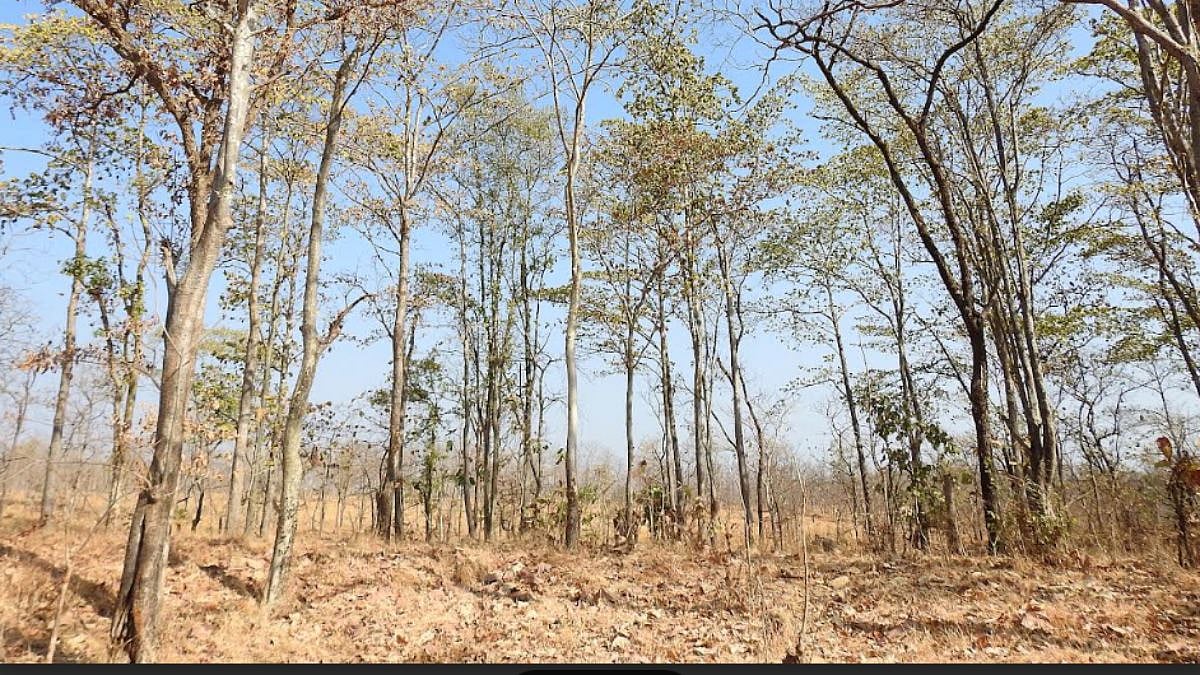
Centre Directs Maharashtra Wetland Authority To Prioritise Tree Plantation Around Mumbai's Water Supply Lakes |
Mumbai: The Union Ministry of Environment, Forest and Climate Change (MoEF&CC) has directed the Maharashtra State Wetland Authority to take priority action on a Mumbai resident's plea seeking large-scale tree plantation around lakes supplying water to urban centres.
The direction follows a grievance submitted on June 24 by Bandra West resident Vinod Roshan Dsouza, who urged the ministry to promote afforestation around urban feeder lakes to protect water security and strengthen fragile ecosystems.
In a memorandum dated July 17, Scientist 'B' Dr Gitanjali Katlam of the ministry's Wetlands Division forwarded the grievance to the Member Secretary of the Maharashtra State Wetland Authority at Mantralaya. The authority has been asked to examine the representation on a priority basis and submit an Action Taken Report (ATR) directly to the applicant, with a copy to the ministry.
The ministry's action comes against the backdrop of the Wetlands (Conservation and Management) Rules, 2017, framed under the Environment (Protection) Act, 1986. The rules prohibit activities such as conversion or reclamation of wetlands, establishment or expansion of industries, dumping of waste, discharge of untreated effluents and permanent construction within the prescribed buffer around notified wetlands.
For cities such as Mumbai, which depend on reservoirs including Vihar, Tulsi, Tansa, Upper Vaitarna, Bhatsa, Modak Sagar and Middle Vaitarna, protecting and expanding tree cover in the catchment areas is an important long-term strategy for ensuring clean, reliable drinking water while improving resilience to climate change and extreme rainfall.
Dsouza's representation called for extensive tree plantation in lake catchment areas. "Improved green cover would help safeguard water resources, enhance groundwater recharge, reduce flooding and strengthen the ecological health of urban reservoirs," said Dsouza.
ALSO READ
According to environmentalists, planting trees around water reservoirs provides multiple environmental, economic and public health benefits, especially for cities that rely on these reservoirs for drinking water. Trees act as natural filters. Their roots trap sediments, fertilisers and other pollutants before they enter the reservoir, reducing contamination and the cost of water treatment. Tree roots bind the soil, preventing it from being washed into the reservoir during heavy rains. This reduces siltation, helping the reservoir retain its storage capacity for longer.
Forests also enhance groundwater recharge, protect biodiversity and moderate the local climate through shade and evapotranspiration, helping reduce the urban heat island effect. Forests also create recreational and educational spaces, and growing trees absorb carbon dioxide from the atmosphere, contributing to climate change mitigation.
To get details on exclusive and budget-friendly property deals in Mumbai & surrounding regions, do visit: https://budgetproperties.in/
RECENT STORIES
-
-
-
-
-