Bombay HC Pushes Maharashtra Govt To Aggressively Implement ABC Programme To Control Stray Dog Menace
The Bombay High Court on Friday directed Maharashtra government to aggressively implement the Animal Birth Control programme to curb stray dog population and attacks, saying sterilisation was key to addressing the issue. The bench of Justices Ravindra Ghuge and Gautam Ankhad said adult dog sterilisation should be prioritised and sought updated data on rabies cases before hearing on September 11.

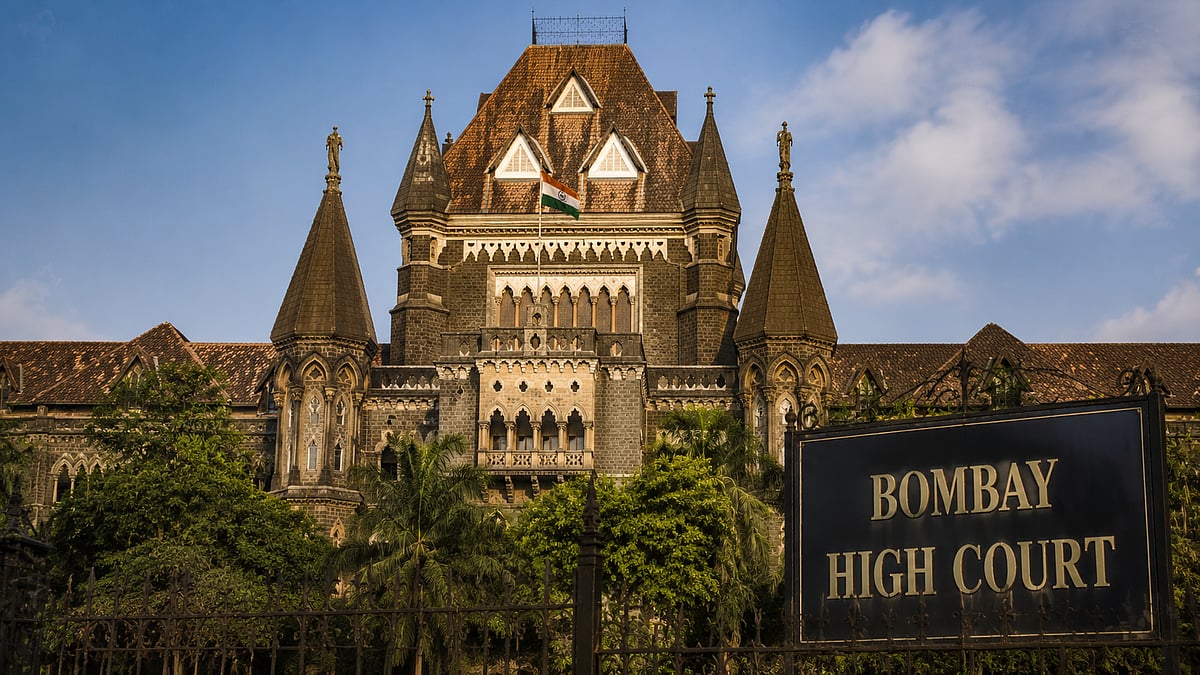
Bombay High Court | AI
Mumbai: The Bombay High Court on Friday directed the Maharashtra government to aggressively implement of the Animal Birth Control (ABC) programme, observing that controlling the growing stray dog population was central to addressing the problem of dog attacks and rabies.
A bench of Acting Chief Justice Ravindra Ghuge and Justice Gautam Ankhad was hearing a suo motu petition initiated following directions of the Supreme Court to High Courts to monitor the stray dog menace and dog-bite incidents in their respective states.
During the hearing, Additional Government Pleader O A Chandurkar placed several affidavits filed by the State before the court and said implementation of the ABC programme was among the measures being undertaken.
The bench, however, emphasised that sterilisation had to be carried out on a large scale and effectively to prevent further growth of the stray dog population.
“Your administration must realise one thing: if you implement the ABC programme, which you call the sterilisation programme, aggressively, there will be no growth of stray dogs,” Acting Chief Justice Ghuge observed.
The court said authorities should focus on sterilising adult dogs rather than merely trying to catch an increasing number of stray animals.
“Instead of trying to catch hold of the growing number of dogs, you have to catch hold of the adult dogs so that it is ensured that they are sterilised,” the bench said.
It added that preventing the birth of more puppies would address the problem at its source. “If you stop the growth, the rest falls in line,” the court observed.
The bench said that once the population was brought under control, authorities could concentrate on other aspects, including preventing rabies and ensuring proper management of the remaining dogs.
“First, you should stop the growth of the dogs. So that one major problem is resolved,” Justice Ghuge said.
The court also sought details on the frequency with which data relating to rabies cases, medicines and other relevant information was updated on the State government’s website. Chandurkar said the data was updated regularly.
Senior advocate Mihir Desai was appointed as amicus curiae to assist the court in the proceedings. The bench directed the State to place updated information and compliance details before it at each hearing.
ALSO READ
The court also stressed the need for continued monitoring of the issue, particularly in view of the increasing number of dog-related incidents.
The Supreme Court had directed High Courts to take up the issue after observing that the stray dog problem and related attacks had assumed serious proportions, with poor implementation of the ABC framework being a concern. The apex court also warned that the state cannot remain a “passive spectator” as citizens face the constant threat of dog attacks and directed respective high courts to initiate suo motu pleas.
The HC has kept the matter for further hearing on September 11.
A 2024 survey conducted by the BMC in collaboration with Humane Society International/India (HSI) found that over the past 29 years, approximately 4.3 lakh stray dogs have been sterilised in Mumbai. This effort has contributed to a population decrease from 95,172 to 90,757 over the last decade.
In April, the BMC’s Standing Committee approved a Rs 23.31-crore plan to sterilise 33,671 stray dogs over the next three years as part of its ongoing Animal Birth Control (ABC) programme.
Sterilisation Drive Continues
According to civic data tabled with the proposal, more than 1.53 lakh stray dogs have been sterilised across Mumbai since 2017.
Civic records show that between 1994 and August 2025, a total of 4,34,529 stray dogs have been sterilised under the programme.
To get details on exclusive and budget-friendly property deals in Mumbai & surrounding regions, do visit: https://budgetproperties.in
RECENT STORIES
-
-
-
-
-