BMC Elections: As Mumbai Gears Up For Upcoming Civic Body Polls, Take A Look Back At Results Of Past Contests
Ahead of the 2026 BMC polls, past elections show Shiv Sena’s consistent dominance as the single largest party since 2002, though BJP has steadily gained ground, nearly matching Sena in 2017. Congress has declined sharply over time, while alliances and post-poll support have shaped control. The trends highlight an increasingly competitive and fragmented civic political landscape.

BMC Elections | FPJ
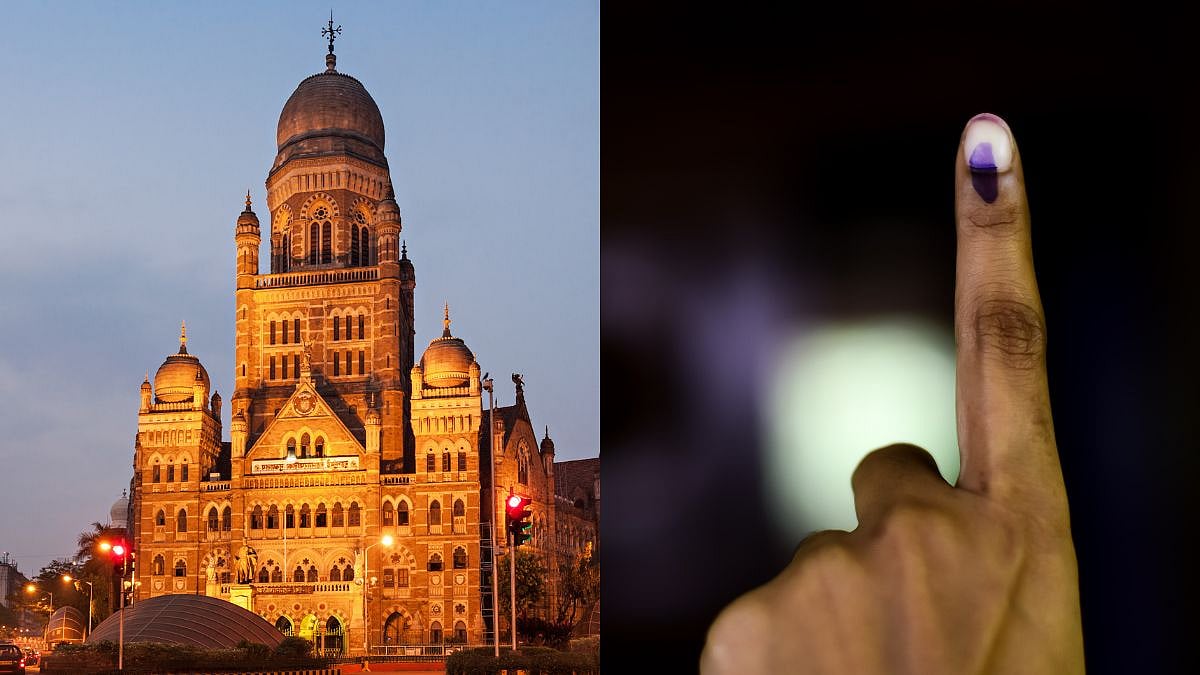
Mumbai: With the Brihanmumbai Municipal Corporation (BMC) elections tentatively scheduled for January 2026, the political landscape of India's richest civic body is once again under intense scrutiny. Analysing the results of the five previous BMC polls, from 2002 to 2017, reveals a consistent pattern of high seat accumulation by the Shiv Sena, a growing challenge from the Bharatiya Janata Party (BJP) and fluctuating performance among other major parties like the Indian National Congress (INC) and the Nationalist Congress Party (NCP). The BMC is contested across 227 electoral wards, requiring 114 seats for an outright majority.
The 2017 Election: A Near Tie & Alliance Formation
The most recent election in 2017 was characterised by its unprecedented competitiveness, as the Shiv Sena and the BJP chose to contest the polls separately after a long-standing alliance. The Shiv Sena secured the highest number of seats, winning 84 wards.
The BJP, however, registered a significant gain, capturing 82 seats, marking a substantial increase of 51 seats from its 2012 tally. This result left both parties short of the required majority, with the INC winning 31 seats and the NCP securing 9 seats. Following the fractured mandate, the BJP eventually provided post-poll support to the Shiv Sena, enabling the latter to form the civic administration.
The 2012 Election: Fragmentation & The MNS Impact
The 2012 BMC election introduced an element of triangular contest in several constituencies due to the strong showing of the Maharashtra Navnirman Sena (MNS). In this contest, the Shiv Sena emerged as the single largest party with 75 seats.
The Indian National Congress secured the second-highest tally at 52 seats, while the BJP won 31 seats. A notable outcome was the performance of the MNS, which captured 28 seats in only its second civic election. The Shiv Sena and the BJP, maintaining their pre-poll alliance, were able to combine their seats to cross the majority mark and take control of the civic body.
Elections in 2007 & 2002: Saffron Alliance Dominance
The 2007 and 2002 elections saw the Shiv Sena and the BJP contest as a cohesive alliance, securing clear control over the corporation. In the 2007 polls, the Shiv Sena won 84 seats, while the BJP secured 28 seats. The combined opposition, primarily the INC and NCP, also had a substantial presence, with the Indian National Congress winning 75 seats. The 2002 election reflected an even clearer victory for the alliance, with the Shiv Sena securing 97 seats and the BJP winning 35 seats, while the INC finished with 61 seats.
Also Watch:
Historical Trends
Reviewing this period reveals that the Shiv Sena has consistently been the single largest party in the BMC for over two decades. However, the data also highlights a clear trajectory of growth for the BJP, culminating in their near-equal seat count in 2017. Furthermore, the Indian National Congress has transitioned from a major contender (75 seats in 2007) to a majorly reduced force (31 seats in 2017).
Now that the Shiv Sena and NCP have been divided into different factions, these shifts demonstrate the highly dynamic and competitive nature of Mumbai’s municipal elections leading into the next contest in 2026.
To get details on exclusive and budget-friendly property deals in Mumbai & surrounding regions, do visit: https://budgetproperties.in/
RECENT STORIES
-
-
-
-
-