Why May 1 Is Celebrated As Labour Day Across The World?
The Haymarket Affair in Chicago was the key event that led to the observance of May 1. Thousands of workers had gone on strike demanding an eight-hour workday. During a peaceful rally at Haymarket Square, violence broke out after an unknown person threw a bomb at the police, leading to deaths and injuries on both sides.

International Labour Day | Canva
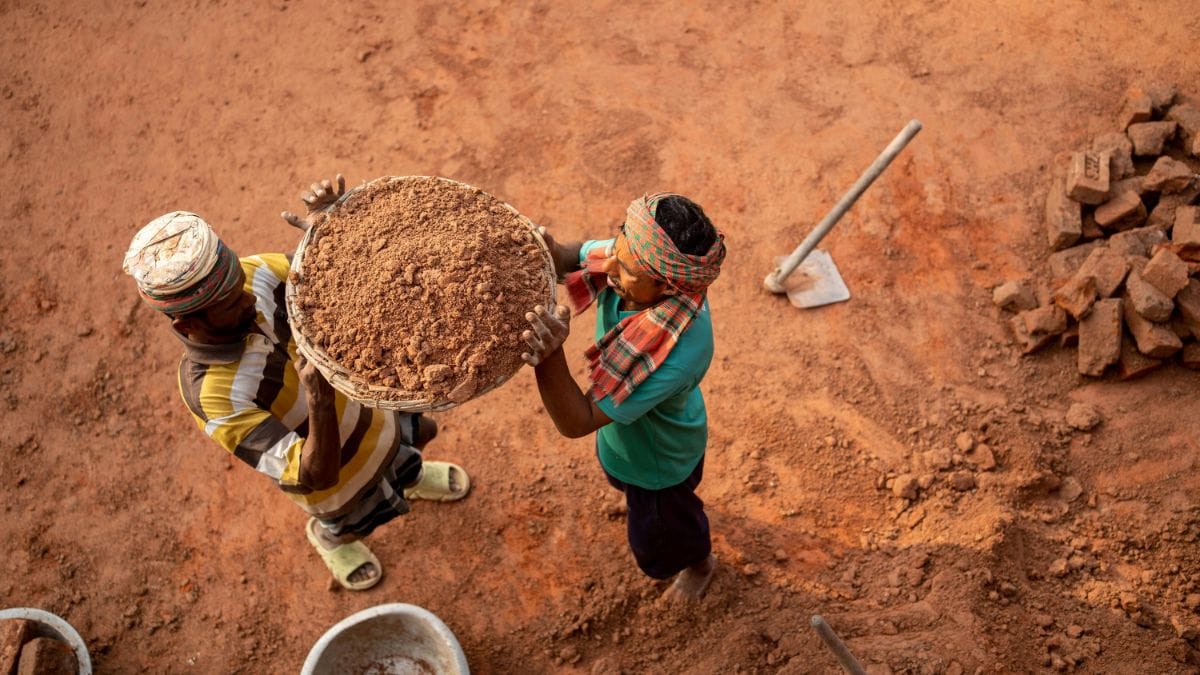
Labour Day, or International Workers' Day, commonly known as May Day, is celebrated on May 1 across many countries to honour the contributions and rights of workers. The date has its roots in the late 19th-century labour movement, particularly in the United States, where workers were fighting for better working conditions, fair wages, and reasonable hours. In many countries, it is a public holiday, which allows workers a day off, frequently accompanied by celebrations, social gatherings, and speeches.
Haymarket Affair in Chicago
The Haymarket Affair in Chicago was the key event that led to the observance of May 1. Thousands of workers had gone on strike demanding an eight-hour workday. During a peaceful rally at Haymarket Square, violence broke out after an unknown person threw a bomb at the police, leading to deaths and injuries on both sides. The incident became a symbol of workers’ struggles and sacrifices. May 1 commemorates the 1886 Haymarket Affair in Chicago.
In India, Labour Day was first celebrated in Chennai
International Labour Day, known as Antarrashtriya Shramik Diwas or May Day, was first celebrated in 1923 in Chennai. The day serves as a reminder of the labour movement's history and the ongoing fights for rights.
International Labour Day recognition
In 1889, the Second International, a global federation of socialist and labour parties, declared May 1 as International Workers’ Day to commemorate the Haymarket Affair and to continue advocating for workers’ rights. Since then, the day has been marked by rallies, parades, and events highlighting labour issues.
Significance
Over time, Labour Day has come to symbolise the achievements of workers’ movements worldwide, including the establishment of labour laws, improved workplace safety, and social security systems. While the celebration across the world may vary, the essence remains the same: recognising the dignity of labour and the importance of workers in shaping society and the economy.
RECENT STORIES
-
-
-
-
-