Why Does Meeting Friends Feel Like Work Now? The Rise of ‘Scheduled’ Friendships
Here are reasons hanging out with friends today feels more like a structured corporate meeting

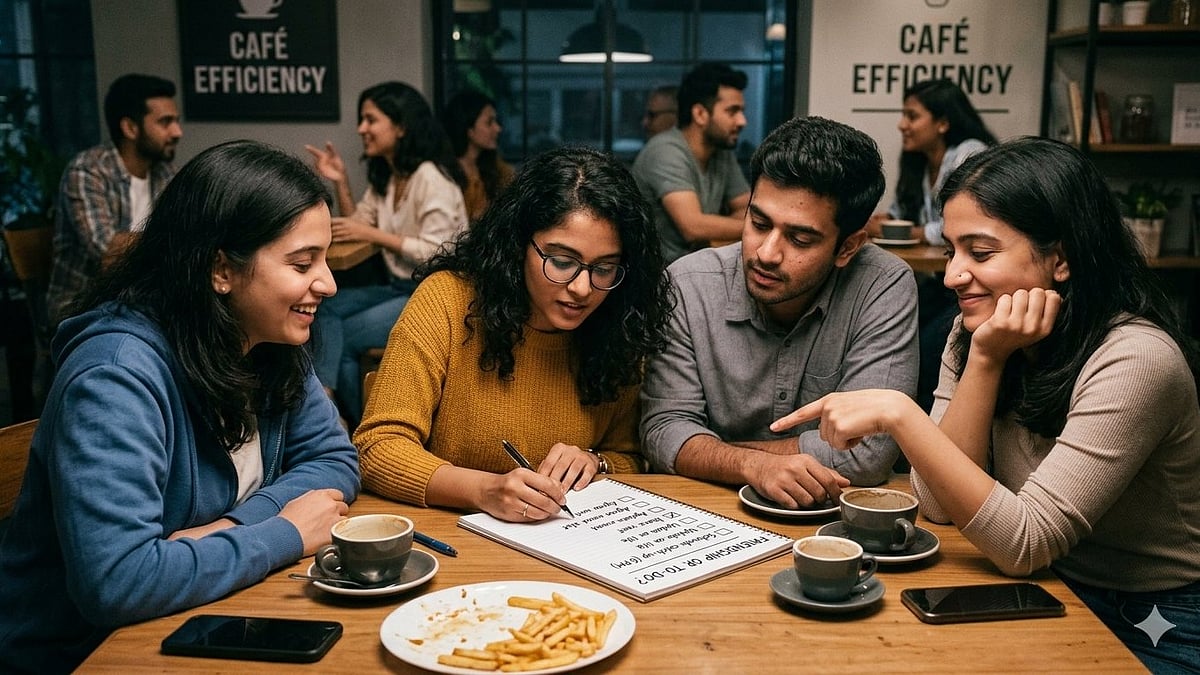
The modern friendship dilemma isn't finding friends; it's finding a free slot in everyone's calendar. Today, even the simplest plans often require the kind of coordination usually reserved for office meetings. Between packed schedules, productivity culture, and constant busyness, socialising has become something we schedule, optimise, and squeeze into our lives rather than naturally enjoy. This rise of "micro-scheduling" is changing the way we connect, making friendships feel more organised than ever and, for many people, more exhausting too.
Here are five reasons hanging out with friends now feels surprisingly similar to a corporate meeting.
Busier lives
One of the biggest reasons friendships now require so much planning is that everyone’s schedule is packed. Between work, family responsibilities, fitness routines, and personal commitments, free time has become increasingly scarce. The issue isn’t that people value their friendships less, it’s that modern life leaves very little room for spontaneity.
Smruti Bhatt, a 25-year-old Gen Z professional, says, “I think friendships feel harder to maintain today because everyone has real jobs, responsibilities, and different schedules. When someone cancels plans due to a genuine commitment, it can sometimes be misread as disinterest, and that’s where ego creeps in. But if friends accept that life has changed and become more understanding of each other’s circumstances, things get easier. In many ways, friendships can be even better now because everyone has grown and is navigating adulthood together.”
Workplace spills over
The workplace has quietly influenced how we manage our personal lives. Productivity apps, calendar reminders, and planning tools help us stay organised, but these habits don’t always stay at work. Many people now approach friendships with the same mindset they use for meetings and deadlines, turning catch-ups into events that need to be scheduled, confirmed, and managed. While planning is practical, it can also make relationships feel overly structured. After all, friendships thrive on connection, not efficiency.
Ekta Dharia, Clinical Psychologist and Psychotherapist, says, “From a psychological perspective, friendships that become overly scheduled can create emotional fatigue rather than connection. When every interaction feels planned and time-bound, spontaneity and emotional comfort often decline. This ‘calendar culture’ can increase social exhaustion, particularly among people already dealing with stress and digital overload. Genuine friendships thrive on flexibility, emotional safety, and unstructured moments. Over time, excessive micro-scheduling can make relationships feel transactional rather than supportive, affecting overall well-being and a sense of belonging.”
Just another task
For many people, even enjoyable plans can start feeling like obligations. After a long week, a catch-up with friends may feel less like relaxation and more like another commitment that demands time and energy. The pressure to maintain friendships, attend events, and stay socially active can lead to social fatigue. It’s not that people care less about their friends, it’s that when life feels overwhelming, even positive experiences can start to feel like work, leaving many exhausted before they even step out of the house.
“Growing up has definitely made friendships harder to maintain. Between studies, work, family responsibilities, and constantly planning for the future, everyone seems busy and exhausted. Even when friends meet, the bond is still there, but the energy is often different. I think Gen Z friendships are evolving, we may not meet as often or talk every day, but we still care deeply about each other. The friendships remain strong; they just require a little more effort, patience, and understanding now,” says Palak Palejwala, a commerce graduate.
No spontaneity
One of the biggest casualties of modern life is spontaneity. Where people once made last-minute plans or spent hours together without an agenda, most social interactions today are carefully scheduled around packed calendars. When every hour is planned there is little room for unexpected moments, often these are the moments that lead to the best memories and deepest conversations.
Friendships thrive on flexibility, but constant busyness makes that increasingly difficult.
“Growing older has made friendships more planned than spontaneous. During college, meeting friends was easy because everyone had similar schedules and fewer responsibilities. Today, work, family commitments, and personal goals mean even a simple catch-up requires coordinating calendars. Distance adds another challenge, with many friends now living in different cities or countries. While technology helps us stay connected, it cannot fully replace meeting in person. As a result, maintaining friendships often takes more effort and planning than it once did,” says Tanmay Vyavhare, Business Consultant at EY.
Pressure on every hangout
Modern socialising often comes with high expectations. People feel pressure to choose the perfect venue, plan exciting activities, or make every outing memorable. As a result, even a simple catch-up can start feeling like an event that requires effort and planning. In reality, friendships are built through ordinary moments - sharing a meal, taking a walk, or simply spending time together. When we expect every hangout to be special, we unintentionally make socialising feel like work.
How to Bring Back Effortless Bonding
The solution may not be finding more time. It may be lowering the pressure. Not every friendship needs a detailed plan. A quick phone call, a short walk, or a spontaneous coffee can sometimes feel more meaningful than a perfectly organised outing. Giving ourselves permission to connect casually can make friendships feel lighter and more natural again. In a culture that encourages constant productivity, it is easy to treat relationships like another project to manage. But friendships were never meant to feel like corporate meetings. Sometimes the strongest connections are built not through perfect planning, but by simply showing up and spending time together.
RECENT STORIES
-
-
-
-
-