What Makes Maharashtra's Lonar Lake So Special? All About The Rare Meteorite Crater Recognised By IUGS
Lonar Lake, which was formed thousands of years ago following a meteorite impact, has made it to the prestigious list of the Third 100 World Geological Heritage Sites. It is the second site from India to get the honour. The Third 100 World Geological Heritage Sites include geological wonders such as Japan’s Mount Fuji, Norway's fjords and Argentina's Mount Aconcagua, among others.

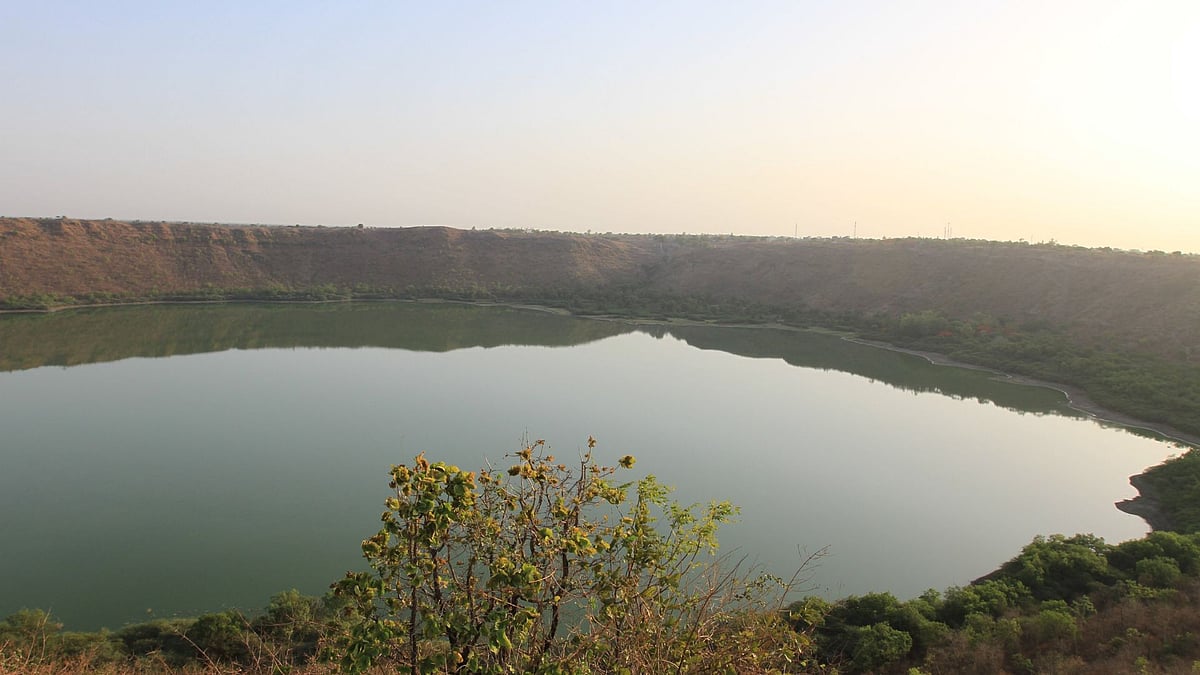
What Makes Maharashtra's Lonar Lake So Special | X/ @abhiyogi
Maharashtra is one of the most beautiful places to visit. The state is surrounded by lush greenery, mountain ranges, forts, sea, among others, and one of the places is Lonar Lake, one of the world’s rare geological formations, known for its saline and alkaline waters and its unusual origins.
Recently, Lonar Lake has earned international recognition after being included in the International Union of Geological Sciences (IUGS) list of geological heritage sites. It is in Buldhana district of Maharashtra. Lonar Lake is one of the world's most remarkable geological formations and is known for its unique origin, rare ecosystem and scientific significance.
Lonar Lake joins prestigious IUGS geological heritage list
Lonar Lake, which was formed thousands of years ago following a meteorite impact, has made it to the prestigious list of the Third 100 World Geological Heritage Sites. It is the second site from India to get the honour. The Third 100 World Geological Heritage Sites include geological wonders such as Japan’s Mount Fuji, Norway's fjords and Argentina's Mount Aconcagua, among others.
The lake is particularly special because it was formed by a meteorite impact thousands of years ago. Its distinctive geological features make it an important destination for researchers, geologists and nature enthusiasts from across the world.
How was Lonar Lake formed?
Lonar Lake is believed to have been created when a meteorite struck the Earth approximately 50,000 years ago. The impact created a massive crater in the basalt rock of the Deccan Plateau. Over time, the depression filled with water, eventually forming the lake.
What makes it even more fascinating is that Lonar is one of the few known impact craters in the world formed in basaltic rock, including Gilbert Hill, which is located in Andheri, Mumbai. It is also recognised as the world's third-largest crater formed in basaltic terrain.
What makes Lonar Lake unique?
One of the most interesting features of Lonar Lake is its unusual water chemistry. The lake contains both saline and alkaline water, creating a distinctive environment that supports specialised microorganisms and other forms of life.
The lake's changing colours have also attracted attention from scientists and visitors. Its microbial ecosystem and geological composition make it an important site for scientific research.
The crater is surrounded by forested slopes, and it also supports diverse flora and fauna. Several ancient temples and historical structures can be found around its periphery.
Why is IUGS recognition important?
The International Union of Geological Sciences identifies significant geological sites across the world for their scientific importance and exceptional geological features. Lonar Lake's inclusion in the prestigious list highlights its global geological value and strengthens Maharashtra's position on the international geological heritage map.
RECENT STORIES
-
-
-
-
-