Shardiya Navratri 2026: Dos And Don’ts Of Fasting For People With Diabetes
Before beginning a fast, speak to your doctor, especially if you take insulin or medicines that can lower blood sugar levels. Your healthcare provider can advise you on whether fasting is safe and whether your medication schedule needs adjustment.

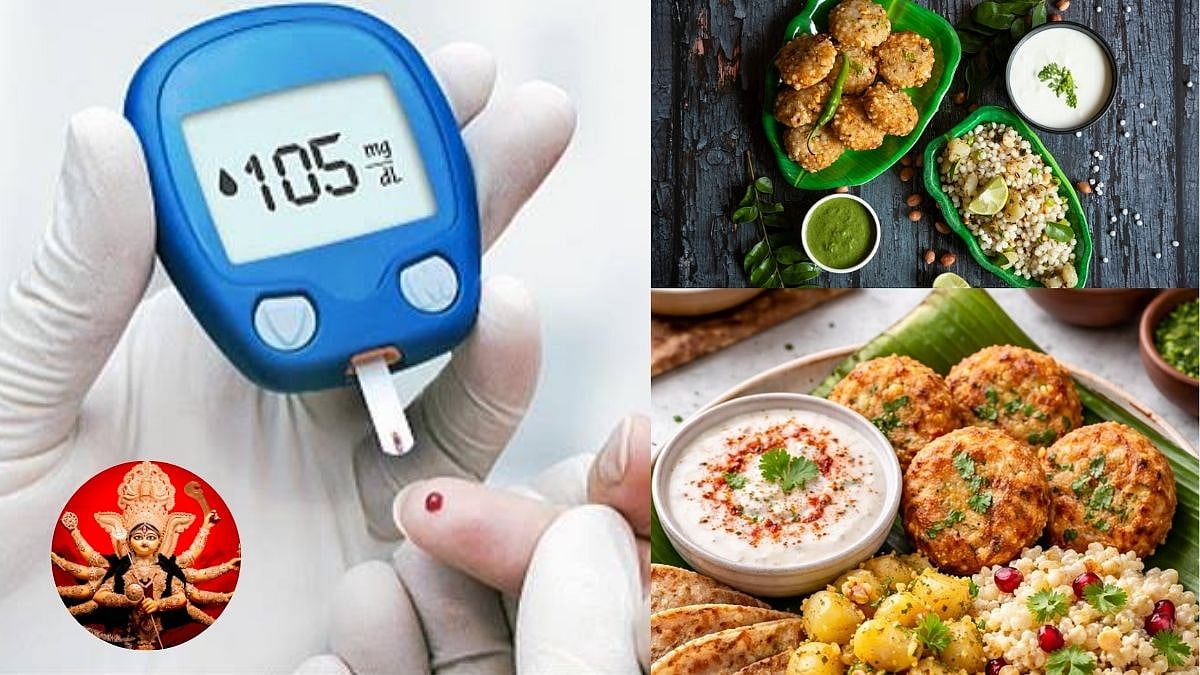
Is Fasting Safe For People With Diabetes? Important Precautions To Know During Shardiya Navratri | Canva
India is observing Shardiya Navratri from Sunday, October 11, 2026. The nine-day Hindu festival is dedicated to Goddess Durga and her nine forms. During this period, many devotees observe fasts and follow specific dietary practices as part of their religious traditions.
However, fasting requires extra precautions for people living with diabetes, as changes in meal timings, food choices and medication schedules can affect blood sugar levels. With proper planning and medical guidance, they can make informed decisions about fasting and their health.
Here are some important dos and don’ts to keep in mind during Navratri.
Dos Of Fasting For People With Diabetes
Before beginning a fast, speak to your doctor, especially if you take insulin or medicines that can lower blood sugar levels. Your healthcare provider can advise you on whether fasting is safe and whether your medication schedule needs adjustment.
If you have diabetes, consider fasting-friendly rotis made with kuttu atta (buckwheat flour) or singhara atta (water chestnut flour), depending on your dietary restrictions. However, these flours still contain carbohydrates and can affect blood sugar levels, so pay attention to portion sizes.
Include protein-rich foods such as paneer, curd and nuts, along with permitted vegetables and other suitable foods. Choose fibre-rich options where possible and pay attention to portion sizes to help maintain balanced blood sugar levels.
Drink water regularly during non-fasting hours if your fasting practice permits it. Dehydration can affect overall well-being and may complicate blood sugar management.
People with diabetes can consider barley-based dishes as part of a balanced diet, provided they are permitted during their fast. Barley contains fibre, which can help slow digestion. However, it is not permitted under all Navratri fasting traditions.
Don’ts To Keep In Mind
Never stop or change prescribed diabetes medication on your own. Fasting may require adjustments, but these should be made only under medical supervision.
Limit sweets, sugary drinks and deep-fried vrat snacks. Foods high in sugar and refined carbohydrates can cause blood sugar spikes, while fried foods can add excess calories.
Symptoms such as dizziness, sweating, shakiness, confusion or unusual weakness may indicate low blood sugar. Follow your prescribed treatment plan and break your fast if medically necessary.
People with poorly controlled diabetes or a history of severe hypoglycaemia may face additional risks when fasting. Prioritise your health and follow your doctor's advice.
Instead of deep-frying, consider grilling, baking or steaming food to reduce the amount of added fat.
Disclaimer: This content is intended for general informational purposes only and is not a substitute for professional medical advice. Always consult a qualified healthcare professional for guidance specific to your health condition.
RECENT STORIES
-
-
-
-
-