Russia Tells WHO 'No Plague Cases' In Irkutsk After Lab Worker's Death, Cause Of Pneumonia Still Unclear
Russia has told the WHO that no plague cases were recorded in Irkutsk after a 28-year-old worker at an anti-plague research institute died from severe pneumonia on October 2. Around 200 contacts were placed under medical observation as a precaution. While testing found no dangerous pathogens among contacts, the exact cause of the woman’s illness and death remains unclear.

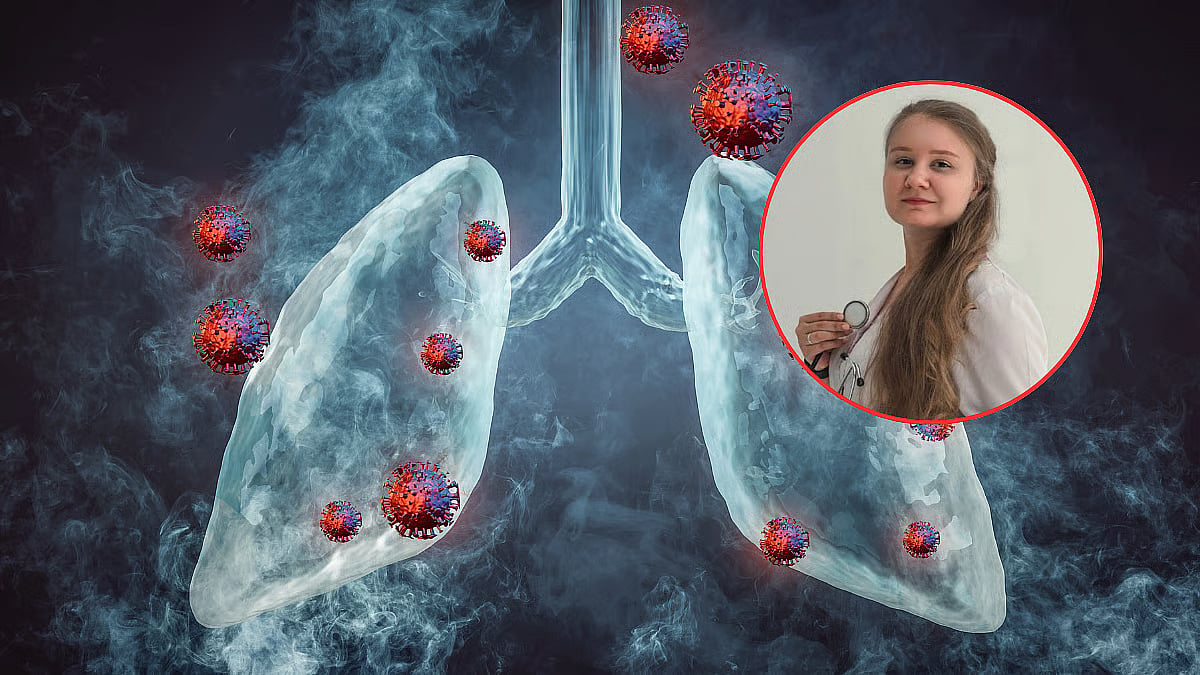
A mysterious death at a Siberian anti-plague research institute has triggered international attention, but Russia has now told the World Health Organization (WHO) that no cases of plague have been recorded in the affected region. The clarification comes after a 28-year-old laboratory worker died following severe pneumonia, amid reports and social media speculation about a possible exposure to the bacterium that causes plague.
WHO shares statement
The WHO said Russian authorities responded on October 6 to a request for information made under the International Health Regulations. According to the organisation, Russia reported that the woman’s illness had initially presented as a typical acute respiratory viral infection.
The WHO said Russian authorities confirmed that no recent case of plague had been registered in Irkutsk oblast, either involving the woman or her contacts. The statement further added, "They informed WHO that an epidemiological investigation had been conducted, preventive and control measures implemented, and identified contacts placed under medical observation and tested."
ALSO READ
According to the WHO, no high-threat pathogens were detected among those contacts, and their medical observation has since been completed.
"WHO has remained in contact with the Russian health authorities and has offered technical support. WHO has requested further information to clarify the cause of the severe pneumonia, the pathogen that prompted the public health measures, and media reports of a second employee with pneumonia of undetermined cause," WHO said, concluding, “Timely, complete and transparent information sharing under the International Health Regulations is essential to clarify conflicting reports and enable an accurate assessment of potential public health risks."
Check it below:
About Russia lab death
The incident centres on a 28-year-old woman identified by Russian media as Darya Shipilova, who worked at the Irkutsk Anti-Plague Research Institute of Siberia and the Far East. She was hospitalised after developing severe pneumonia described by Russian authorities as being of “unknown origin” and died on October 2.
ALSO READ
Her death led to precautionary public health measures, including medical observation of people who had been in contact with her. Reports said around 200 contacts were monitored, with testing reportedly finding no dangerous infectious-disease pathogens among them. Some contacts were reported to have tested positive for COVID-19 or rhinovirus.
The case gained wider attention after claims circulated online that Shipilova could have been exposed to Yersinia pestis, the bacterium responsible for plague, during a possible laboratory accident.
However, Russian authorities have rejected the laboratory-accident theory. There is currently no independent evidence establishing that a laboratory incident involving Yersinia pestis took place.
The WHO has remained in contact with Russian health authorities and offered technical support while requesting additional information. For now, the cause of Shipilova’s severe pneumonia and death has not been conclusively established, while Russia maintains that no plague case was recorded in Irkutsk.
Disclaimer: This article is for informational purposes only and should not be considered a substitute for professional medical advice. Always consult your doctor for any concerns or questions regarding your health or medical condition.
RECENT STORIES
-
-
-
-
-