Rath Yatra 2026: Why Ganjam Kewda Flowers Hold A Special Place In Jagannath Temple Traditions?
Kewda or Ganjam Kewda is a male flower of the fragrant screwpine plant used for extracting kewda oil in India, a fragrant tropical flower that grows abundantly along Odisha's coastal belt, particularly in the Ganjam district. The flower is prized for its distinctive fragrance and is widely used to produce kewda water and natural perfume.

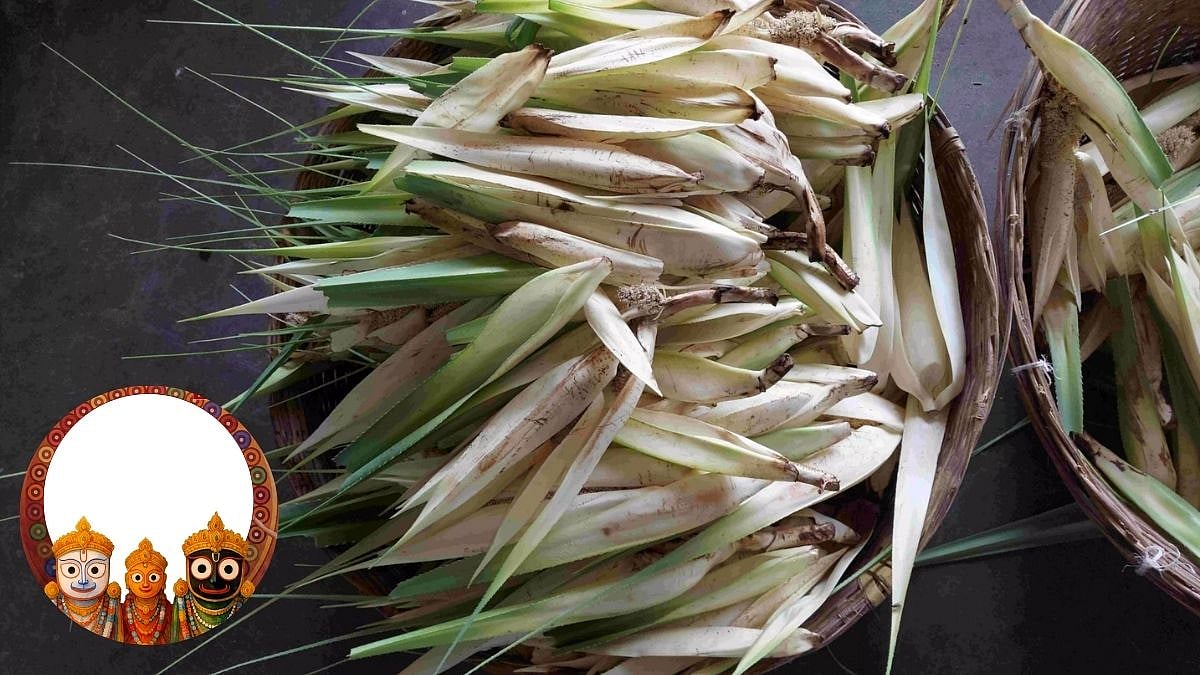
Ganjam Kewda Flowers Hold A Special Place In Jagannath Temple | X/ @TatTvamAsi33
Rath Yatra is one of the most observed Hindu festivals which is predominantly celebrated in Odisha. The yatra is observed every year where lakhs of devotees from around the world participate in the festival dedicated to Lord Jagannath. The Jagannath Temple in Puri is also part of Bada Char Dham, the temple is known for its rich traditions, unique rituals, and deep spiritual significance.
Among the many sacred elements associated with the temple, the fragrant kewda flower, also known as Ganjam Kewda (Pandanus odorifer), occupies a special place. Its sweet aroma has been linked with Lord Jagannath's worship for centuries and continues to be an important part of the temple's religious practices.
What is the Kewda flower?
Kewda or Ganjam Kewda is a male flower of the fragrant screwpine plant used for extracting kewda oil in India, a fragrant tropical flower that grows abundantly along Odisha's coastal belt, particularly in the Ganjam district. The flower is prized for its distinctive fragrance and is widely used to produce kewda water and natural perfume. In Odisha, however, its importance goes beyond its fragrance. It is considered sacred and is closely associated with Lord Jagannath.
Connection with Jagannath Temple
According to temple traditions, kewda flowers are offered to Lord Jagannath as part of daily and festive rituals. The flower's pleasant fragrance is believed to symbolise purity, devotion, and the offering of one's sincere prayers to the deity. During major festivals, including the annual Rath Yatra, kewda is among the flowers used in decorating the deities and the temple premises.
The Kewda flower has been a staple in Jagannath Temple rituals for centuries. The coastal ecosystem of Odisha's Ganjam district produces the vast majority of India's commercial Kewda, and that is why it is also known as Ganjam Kewda flower.
Kewda's mythological link
According to a popular legend in the Shiva Purana, Lord Brahma and the Kewda flower conspired and lied to Lord Shiva. While Lord Shiva cursed and banned the flower from being used in his own worship, Lord Vishnu was honoured for his honesty in the same tale. Consequently, Vaishnava traditions embrace the Kewda flower as a pristine and appropriate offering.
The flower is also linked to Odisha's centuries-old floral traditions, with local communities cultivating and supplying fresh blooms for temple rituals. This practice reflects the close relationship between the region's natural heritage and its religious customs.
Cultural significance
Kewda has become a symbol of Odisha's cultural identity. Beyond the Jagannath Temple, it features prominently in religious ceremonies, traditional perfumes, and local cuisine in the form of kewda water. Its enduring association with Lord Jagannath highlights how nature and spirituality come together in Odisha's living traditions.
RECENT STORIES
-
-
-
-
-