Rashmika Mandanna And Vijay Deverakonda Head For Second Wedding: More About Their Kodava Ceremony & Rituals
Newlyweds Rashmika Mandanna and Vijay Deverakonda are set for a second wedding ceremony honouring her Kodava roots after their Telugu nuptials. The Kodava ritual from Coorg highlights clan traditions, family blessings and ancestral pride. Ceremonies include Mangala Snana, Kannikey and traditional attire featuring a back-draped silk saree and gold temple jewellery.

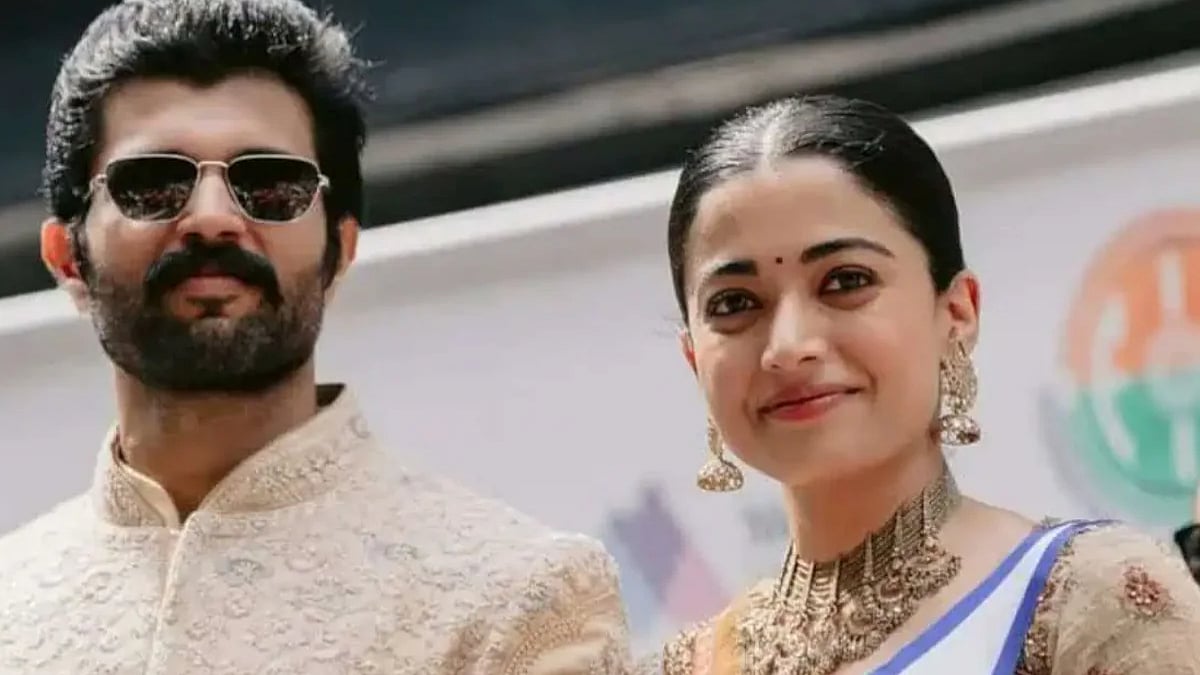
Rashmika Mandanna And Vijay Deverakonda Are Married | Instagram
Just when fans thought the celebrations were over, Rashmika Mandanna and Vijay Deverakonda added another beautiful chapter to their love story. After tying the knot in a traditional Telugu ceremony on Thursday morning, the newlyweds are set to marry once again, this time honouring Rashmika’s roots with an intimate Kodava wedding ritual later in the day.
While the couple are officially married, they are yet to share photographs from their big day. But what makes this second ceremony special is the deep cultural legacy it represents.
What is a Kodava Wedding?
Kodava weddings trace their origins to the Kodava community of the Kodagu district, better known as Coorg in Karnataka. Unlike many mainstream Hindu weddings that revolve around elaborate Vedic chants and rituals, Kodava nuptials are centred on clan traditions, ancestral reverence and strong community bonds.
Historically recognised for their warrior lineage and distinctive customs, the Kodava community place immense importance on family blessings and unity. The ceremony is less about grandeur and more about honouring heritage, elders and shared identity.
Rituals steeped in tradition
As per spiritual scripts, the wedding day traditionally begins with Mangala Snana, a ceremonial bath where elders bless the bride and groom by applying turmeric, oil and holy water. Accompanied by folk songs, the ritual symbolises purification and a fresh beginning for the couple.
This is followed by Kannikey, an emotional moment where the bride seeks blessings from her elders, a gesture that signifies gratitude, respect and readiness to step into married life.
The couple then exchanges garlands, and in intercultural unions, the tying of the mangalya (sacred thread) also takes place, symbolising marital commitment.
The striking Kodava bridal look
One of the most distinctive elements of a Kodava wedding is the bride’s attire. The traditional Kodava saree is usually crafted in rich silk, often in red or white, accented with gold borders. What sets it apart is the draping style: the pleats are positioned at the back instead of the front, a nod to the community’s martial history and symbolism of strength.
ALSO READ
The look is completed with ornate gold temple jewellery, a back-pinned veil and the iconic Jomala waist belt, giving the bride a regal yet rooted appearance.
By embracing both Telugu and Kodava traditions, Rashmika and Vijay’s dual ceremonies beautifully celebrate not just their love, but the merging of two rich cultural legacies.
Want to take a break from the news? Play our games on game.freepressjournal.in
RECENT STORIES
-
-
-
-
-