‘Pet Fishing’ Is Here — And It’s Redefining First Impressions On Dating Apps
Here’s why, for young daters, pets have become emotional icebreakers, trust symbols, and conversation starters

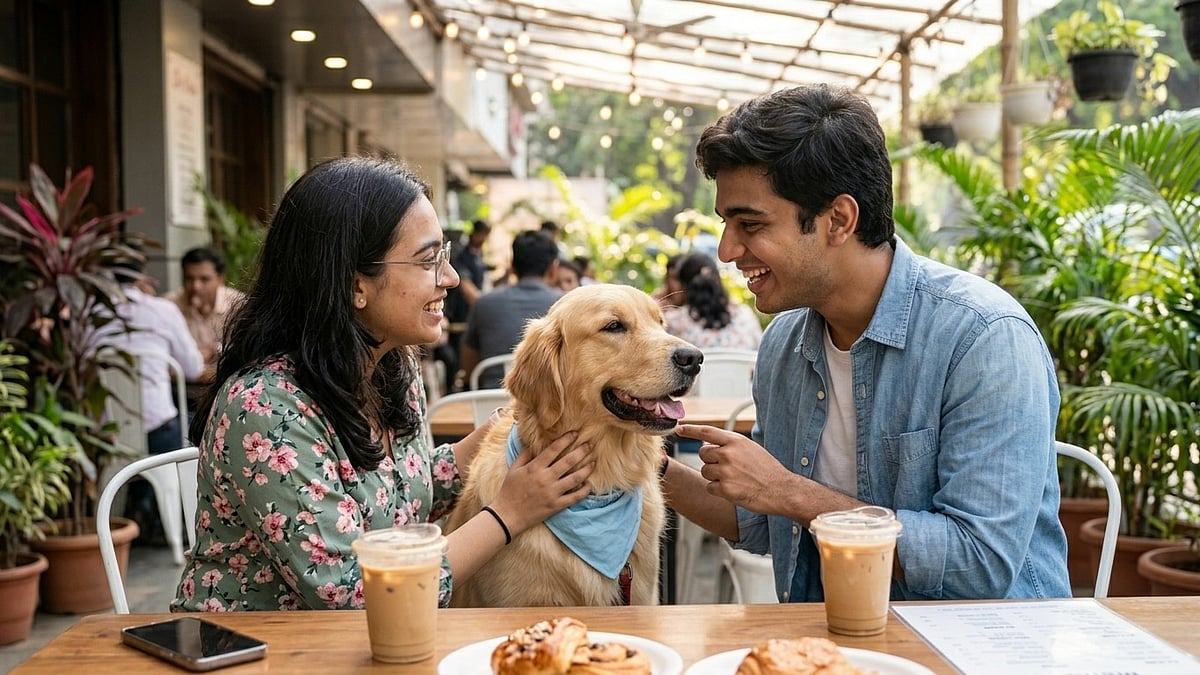
In the world of dating, pets are no longer just companion accompanying their owners. They have quietly become emotional wingmen, appearing in profile pictures, bios, and first date conversations across dating apps. A golden retriever smiling beside its owner or a cat curled up on someone’s lap communicates far more than simple affection for animals. It shows personality, emotional warmth, lifestyle, and even relationship potential.
This growing trend, often referred to online as ‘pet fishing’, reflects how pets are increasingly being used as social or emotional connectors in modern dating culture. Unlike, traditional ‘catfishing’ which involves deception, pet fishing is more about attraction through emotional correlation. Pets in profile image often soften digital identities and make people appear approachable in an otherwise superficial swipe-driven culture. For a generation raised online yet deeply conscious of authenticity, pets offer a comforting middle ground between curated images and genuine emotional expression.
Emotional Signals
Psychologist often note that people from instant impression through visual cues. On dating apps like Tinder, where users decide within seconds whether to swipe left or right, pets act as positive emotional shortcuts. A person posing with a dog may appear caring, nurturing and socially active while a cat may suggest creativity, open-minded or emotional depth.
For many young users, pets communicate emotional availability better than carefully written bios ever could. A pet photo suggests responsibility and companionship without directly stating it. It humanises profiles that may otherwise feely overly polished or performative.
“A few years ago, dating profiles focused heavily on appearance, careers, or hobbies. Now people are paying closer attention to qualities like kindness, empathy, emotional maturity, and lifestyle compatibility,” says Abhijeet Kulkarni, Founder & CEO of VMENTORZ.
Since there is an element of emotional safety attached to animals. In the exhausting world of digital dating, pets create familiarity and comfort. Seeing someone interact affectionately with their pets can make them seem less intimating and more trustworthy.
“When you see someone cuddling their dog or playing with their cat, you immediately get a glimpse of them in a more natural setting rather than a carefully posed photo,” Kulkarni adds.
The psychological behind this lies partly in emotional projection. People associate positive feelings they have towards animals with the person holding them. A cute puppy or sleepy cat become an emotional bridge that encourages connection before conversation even begins.
Shared lifestyle
Beyond emotional appeal, pets also signal compatibility. Gen Z increasingly values lifestyle alignment in relationships, and pets often reveal daily routines, priorities, and personality traits. Someone who owns a large dog may enjoy outdoor activities, walks, and social interaction, while a cat owner may prefer quieter places and slower routines. Even small details like pet breeds, names, or habits become conversation starters that help people assess compatibility organically.
For users themselves, that common ground can feel immediate. “Having a pet myself, it gives me common ground to talk to them,” said Sanika Deshpande, a dating app user.
For urban Millennials and Gen Z professionals dealing with loneliness, demanding work schedules, and digital fatigue, pets often represent emotional stability. Dating someone who already has a strong bond with an animal suggest empathy and long-term commitment, qualities many young people priortise more than flashy display of status.
Sanika says that quality matters while evaluating potential matches. “I'd go out with a guy who has pets as he might be more empathetic and hence more compatible.”
That sentiment is shared across generations. Koustav Sen, a Millennial dating app user, says pets often help relationships move beyond the initial awkward stage of online conversations. “Pets used as a medium to talk with your potential dating partner really helps since it brings a common ground for the couple to make progress in dating each other.”
Interestingly, pets are now shaping dating decisions beyond profile aesthetics. In some cases, pets are becoming relationship ‘green flags,’ carrying as much weight as music taste or political opinion once did.
Digital companion
Social media culture has amplified this phenomenon further. Platforms like Instagram and Facebook have normalised pets as extensions of personal identity. From dedicated pet accounts to viral videos of couples with their pets, as they are now woven into how young people present their lives online.
Dating apps naturally absorbed this behaviour. A pet photo immediately creates content for conversation, reducing awkwardness during first interactions. Instead of generic opening lines, users can ask about breeds, habits, funny stories, or pet names.
However, pet fishing also reveals a subtle contradiction within the dating culture of young generations. While the generation strongly values authenticity, digital spaces still encourage strategic self-presentation. Pets become emotional branding tools, intentionally or unintentionally shaping how others perceive someone.
Beyond the swipe
Ultimately, the rise of pet fishing says less about animals and more about how Millennials and Gen Z approaches intimacy. In a dating culture often criticised for ghosting, casualness, and emotional distance, pets introduce softness into digital interactions. They create warmth in spaces where algorithms dominate and instant judgements are taken.
For many young daters, pets are not simply accessories in profile pictures. They are emotional translators, quietly communicating kindness, comfort, and companionship before two people even exchange a message.
And in an age where meaningful connection can feel increasingly difficult to find, sometimes a wagging tail or sleepy cat becomes the easiest way to say, ‘I am safe to talk.’
RECENT STORIES
-
-
-
-
-