PCOS, Periods And Digestion: Understanding The Gut-Health Connection
From hormonal balance and menstrual health to PCOS and endometriosis, experts explain how gut health can influence women’s reproductive health and share simple ways to support both

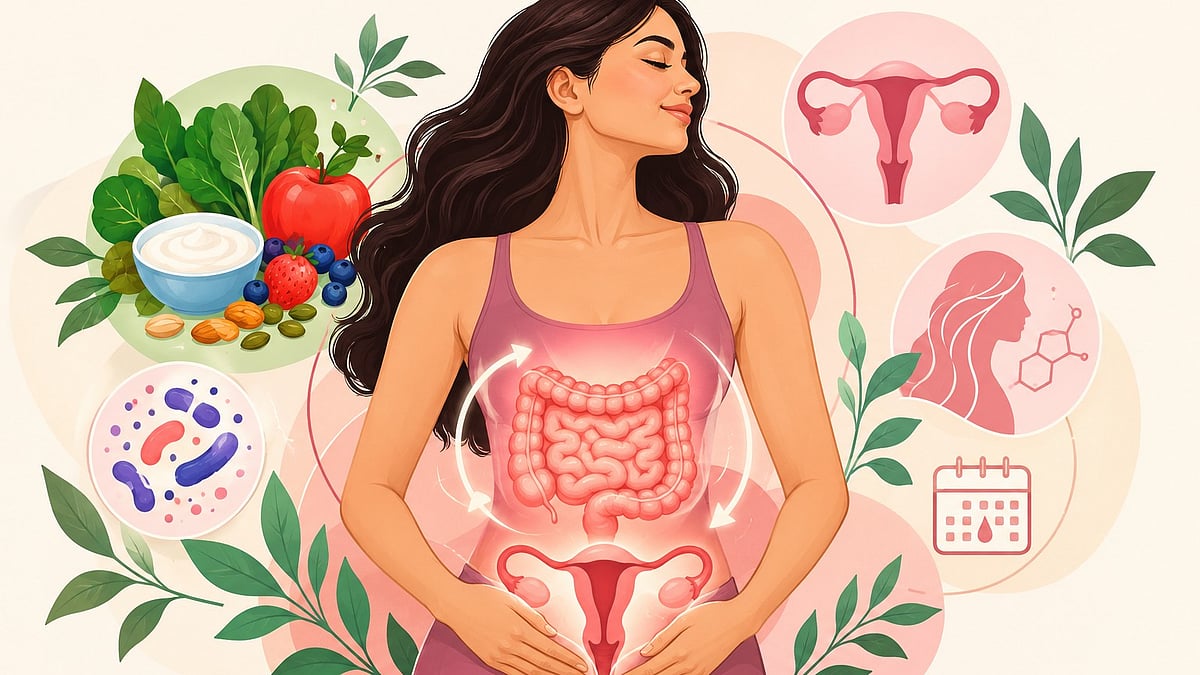
Many times, we ignore the obvious connections. This ignorance harms your life. One such connection many women don’t realise is between gut health and gynaecology. It impacts health in ways we don’t even consider an issue. It is time women focused on this and found tips to manage it.
The connection
Neerja Hajela, Chief Scientific Officer at Yakult Danone India, explains that the gut and female reproductive tract are linked through immune, metabolic, and hormonal pathways. This connection is sometimes called the gut-vagina axis.
“The gut microbiome participates in nutrient metabolism, immune regulation and the processing and recirculation of hormones such as oestrogen. Hormonal changes can alter gut and vaginal environments, making this a two-way relationship. The vaginal microbiome is an independent ecosystem. In many women of reproductive age, Lactobacillus species contribute to the production of lactic acid and maintain an acidic environment that restricts overgrowth of certain organisms.”
Studies have found changes in the gut or vaginal microbiome in women with bacterial vaginosis, polycystic ovary syndrome, and endometriosis. These findings are mostly interdependent, suggesting that gut imbalance may play a role in these issues, though research is still ongoing.
Dr Gayathri Kamath, Additional Director of Obstetrics and Gynaecology at Fortis Hospital in Bengaluru, adds that changes in the gut can affect digestion, inflammation, and how the body processes hormones, which may indirectly influence menstrual and overall health.
She says, “We also see that conditions such as constipation, bloating and changes in bowel habits can become more noticeable around menstruation because of hormonal changes. Some women with conditions such as PCOS or endometriosis may also experience digestive symptoms along with their gynaecological symptoms. So, when a woman has repeated digestive and reproductive health complaints, it is important to look at both rather than treating them completely separately.”
Following are some tips to improve gut and gynaecological health.
Diet
Hajela considers habits to be the foundation of one’s gut and gynaecological health. “Eat a healthy diet high in fibre, including vegetables, fruit, whole grains, legumes, nuts and seeds. Add fibre slowly, drink plenty of fluids and get some exercise to help with your digestion. Curd, yoghurt and fermented foods can be part of a well-rounded diet when tolerated. However, not all fermented foods contain the probiotic strains that have been studied in clinical trials, and the benefits of probiotics are strain- and condition-specific.”
What not to ignore
Dr Kamath warns women not to ignore symptoms such as persistent bloating, constipation, diarrhoea, pelvic pain, abnormal periods or unusual vaginal discharge. “If these symptoms keep recurring, women should consult a doctor rather than assuming that they are only related to digestion. A healthy lifestyle, regular check-ups and timely treatment can help support both gut and reproductive health.”
Maintaining hygiene
It is also important to maintain healthy menstrual hygiene, says Dr Kamath. Start by cleaning the external genital areas with fresh water, which is either warm or at room temperature and unscented, gentle soaps. Stay away from using too much scented soap or perfumed sanitary pads/panty liners and anything that might act against the vaginal area’s natural pH and good bacteria. Use cotton underwear to avoid dampness buildup. Increased dampness can cause yeast infections, UTIs, and other ailments.
Lifestyle changes
For good gut and gyno health, women must focus on lowering stress and anxiety, as it disrupts their flora. Practise yoga and meditation. You can also do physical activities like brisk walking after meals for digestion and sugar balance. Maintain a quality sleep routine of seven to eight hours. Be careful with over-the-counter medications since some might cause yeast infections or bacterial troubles if taken without medical advice.
Focusing on gut and gynaecological health together goes a long way in preserving their health and avoiding unnecessary medical issues.
RECENT STORIES
-
-
-
-
-