India Introduces Chip-Enabled ePassports: Here's Everything You Need To Know About The New Travel Document
India has begun rolling out chip-enabled ePassports, marking a significant step towards modernising its travel documentation system. While the application process remains unchanged, the new passports come equipped with enhanced digital security features that make identity verification faster, safer and more reliable during international travel.

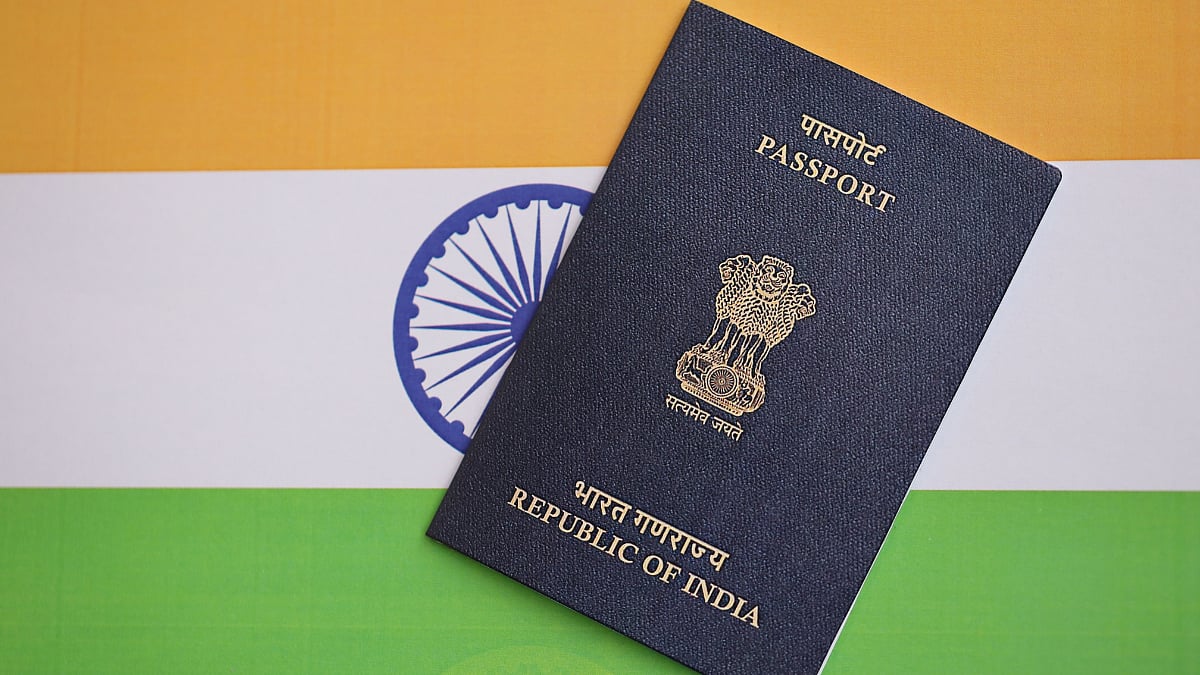
India Introduces Chip-Enabled ePassports: Here's Everything You Need To Know About The New Travel Document | Canva
India has begun rolling out chip-enabled ePassports, marking a significant step towards modernising its travel documentation system. While the application process remains unchanged, the new passports come equipped with enhanced digital security features that make identity verification faster, safer and more reliable during international travel.
The upgraded passport combines the familiar appearance of a traditional passport with advanced electronic technology, helping strengthen security while simplifying immigration checks at airports across the world.
What Is An ePassport?
An ePassport, also known as an electronic passport, is a standard passport integrated with a secure Radio Frequency Identification (RFID) chip and an embedded antenna. The chip securely stores the passport holder's personal information, including the same details printed inside the passport booklet.
Travellers can easily identify an ePassport by looking for a small gold-coloured ePassport symbol on the front cover of the booklet. This symbol indicates that the passport contains an embedded electronic chip.
How Does It Enhance Security?
One of the biggest advantages of the ePassport is the added layer of protection against identity fraud and document tampering.
Instead of relying only on the printed information, the passport securely stores the holder's details in digital form on the embedded chip. During immigration checks, authorised officials can electronically verify that the information stored on the chip matches the passport, making it much more difficult to forge or alter travel documents. This helps improve identity authentication while reducing the chances of fraudulent passport use.
How To Use An ePassport
At airports equipped with compatible scanners or automated e-gates, travellers only need to place or tap their passport on the designated reader. The RFID chip securely communicates with the immigration system, allowing officials to authenticate the traveller's identity quickly and efficiently.
How To Apply For An ePassport
Applying for an ePassport follows the same procedure as obtaining a conventional passport. There is no separate application process for the upgraded document.
Step-by-step guide:
-Register on the Passport Seva Online Portal.
-Fill out the application form for a fresh passport or passport reissue.
-Pay the applicable passport fee online.
-Book an appointment at the nearest Passport Seva Kendra (PSK) or Post Office Passport Seva Kendra (POPSK).
-Visit the selected centre for document verification and biometric data collection.
-Once issued, eligible applicants will receive the new chip-enabled ePassport as part of the government's phased rollout.
RECENT STORIES
-
-
-
-
-