How Is Poor AQI Affecting People With Cardiovascular Diseases? Know Expert Insights
Air pollution is a growing health concern across the globe. Beyond its impact on the lungs, poor air quality can also harm the heart

Canva
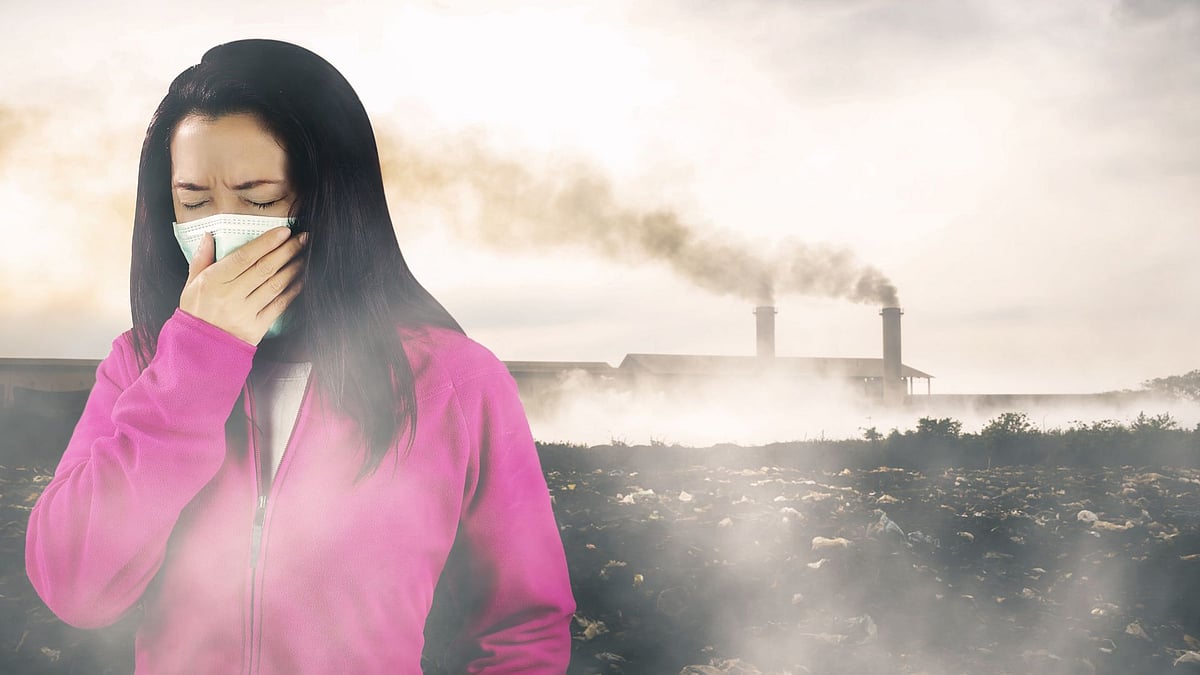
Air pollution is a growing health concern across the globe. Beyond its impact on the lungs, poor air quality can also harm the heart, increasing the risk of cardiovascular diseases (CVD). But how does polluted air affect your heart?
What is AQI and how does it affect health?
The Air Quality Index (AQI) measures the level of air pollution. Higher AQI levels mean the air contains harmful pollutants like particulate matter (PM2.5 and PM10), carbon monoxide, nitrogen dioxide, and ozone. Breathing in these pollutants can damage your body over time, especially if exposure is prolonged or frequent.
Connection between poor AQI and heart
When you breathe polluted air, tiny particles like PM2.5 enter your lungs and then your bloodstream. These particles can trigger inflammation, which is your body’s response to injury or infection. Chronic inflammation damages blood vessels. It also cause blood vessels to narrow and stiffen, increasing blood pressure. The polluted air disturb the normal rhythm of your heart (arrhythmia). It promotes the buildup of fatty deposits (plaque) in arteries, leading to heart attacks or strokes.
According to Dr. VC Chauhan, Interventional Cardiologist, Bhailal Amin General Hospital, Vadodara, poor AQI can have worsened effects on people already suffering from cardiovascular diseases. "Exposure to poor air quality has recently been identified as a major coronary risk factor. A very high AQI, such as in Delhi, can have effects comparable to smoking ten cigarettes daily. Poor air quality not only exacerbates respiratory conditions but also significantly increases the risk of cardiovascular diseases," he said.
Precautions to be taken by heart disease patients during poor air quality
According to Dr. VC Chauhan, Moving and settling in clean areas is most desirable but impossible for almost everyone. Realistic preventive measures are as follows :
Speaking out for society and governmental programs to increase air quality.
Temporarily relocating to areas with lower pollution levels during specific seasons when air quality worsens.
Staying indoors during high pollution periods and minimizing outdoor activities.
RECENT STORIES
-
-
-
-
-