Himalayan Mahakumbh 2026 Begins As Nanda Devi Badi Jat Yatra Starts From Chamoli Siddhapeeth
The Badi Jat Yatra is particularly significant because of its connection with the Nanda Devi Raj Jat Yatra, one of the most revered pilgrimages in the Himalayas. The larger Raj Jat is traditionally held once every 12 years, while the Badi Jat is organised at shorter intervals and follows an important route through the mountains.

Himalayan Mahakumbh 2026 Begins As Nanda Devi Badi Jat Yatra Starts From Chamoli Siddhapeeth |
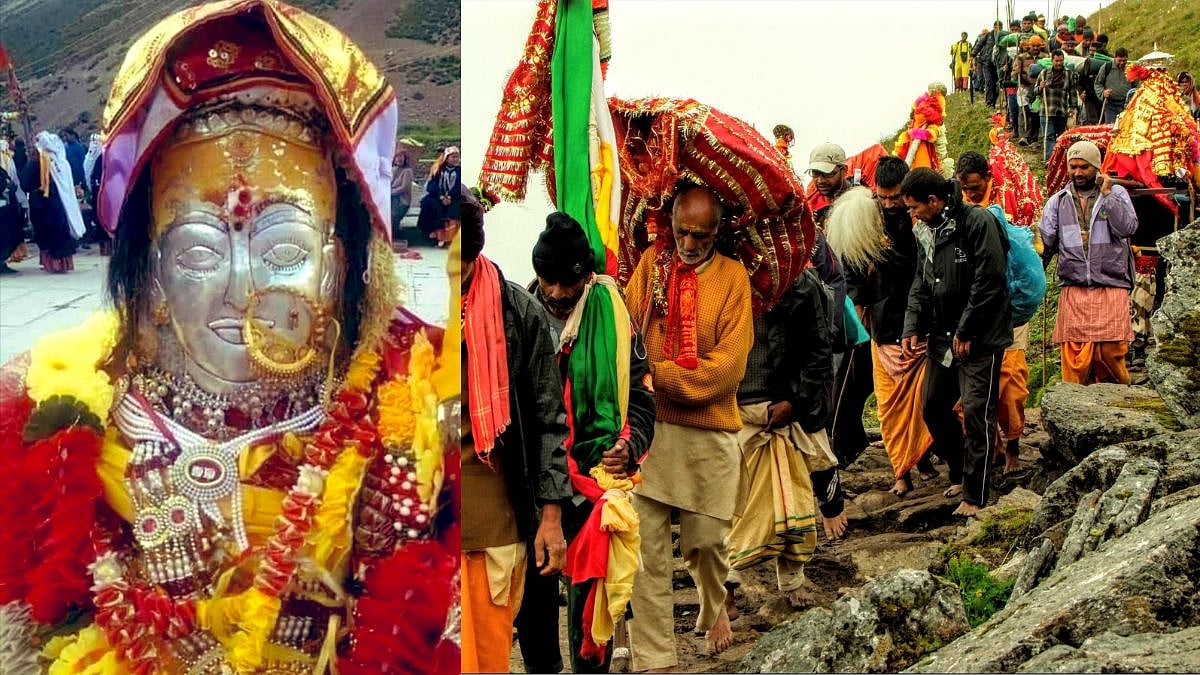
The much-awaited Nanda Devi Badi Jat Yatra, often described as the ‘Himalayan Mahakumbh’, has begun from the Chamoli Siddha Peeth in Uttarakhand from Saturday, September 5, drawing devotees and pilgrims for one of the region’s most significant religious and cultural journeys. The Nanda Devi Lok Jaat, held annually, and the Badi Jaat, held every 12 years. As this is Badi Jat Yatra and Himalayan people begin to celebrate the sacred festival, let's decode what makes so sacred and why it is called the Himalayan Mahakumbh.
About Badi Jat yatra
Nanda Devi Badi Jat, also known as Nanda Devi Raj Jat, is a massive and sacred 280-kilometre Himalayan pilgrimage and cultural festival held once every 12 years in Uttarakhand. It is often called the Himalayan Mahakumbh.
Dedicated to Goddess Nanda Devi, regarded as the patron deity of Uttarakhand, the yatra is deeply rooted in the traditions, folklore and spiritual heritage of the Garhwal Himalayas. The pilgrimage brings together devotees from villages across the region, who participate in age-old rituals and seek the blessings of the goddess.
Significance of the pilgrimage
The Badi Jat Yatra is particularly significant because of its connection with the Nanda Devi Raj Jat Yatra, one of the most revered pilgrimages in the Himalayas. The larger Raj Jat is traditionally held once every 12 years, while the Badi Jat is organised at shorter intervals and follows an important route through the mountains.
Journey through the Himalayas
The journey is marked by religious ceremonies, processions, traditional music and local customs. According to the organising committee, this year, the yatra will have a total of 26 stops. The yatra will begin from Nanda Dham Kurur (Kurud) in the Chamoli district and reach its first stop, Charbang village. After passing through various traditional halts, the palanquin will likely reach Van, the village of the deity’s brother-in-law, on September 16.
On September 20, the sacred yatra will proceed from Shila Samudra to its final stop at Homkund. Devotees accompany the sacred procession as it moves through the Himalayan landscape, with several communities participating in rituals along the route. The pilgrimage also offers a glimpse into the unique cultural traditions of Uttarakhand’s mountain villages.
ALSO READ
Cultural and spiritual connection
Beyond its religious significance, the yatra reflects the close relationship between the people of the Himalayas and their natural surroundings. The mountains, forests, rivers and high-altitude settlements form an integral part of the spiritual landscape associated with Nanda Devi.
RECENT STORIES
-
-
-
-
-