Are You Wearing The Wrong Trouser Break Without Knowing It?
A simple guide to how trouser length influences proportion, polish, and the overall impression you create

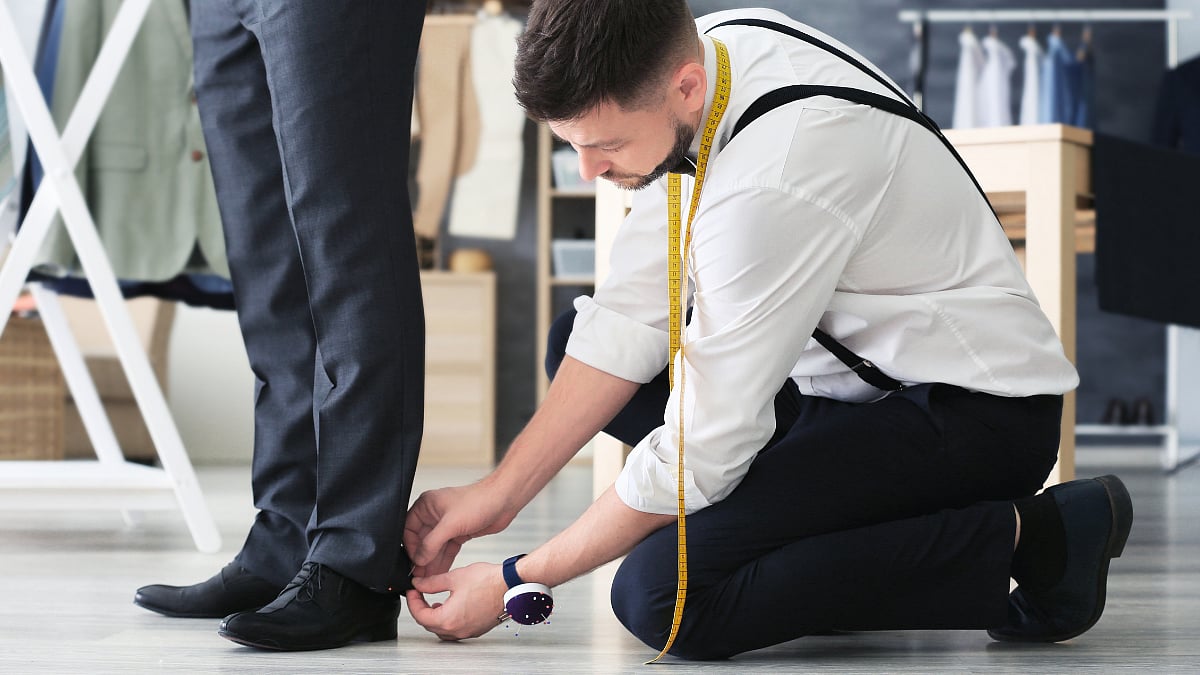
When it comes to dressing well, most people focus on the obvious fit, fabric, labels, maybe even the price tag. But the difference between simply wearing good clothes and looking truly polished often lies in the details. Not the loud ones, but the quiet adjustments that shape your silhouette without announcing themselves. One of those details is the trouser break. It may sound like tailoring jargon, yet once you notice it, you begin to see it everywhere. The way your trousers fall over your shoes can make you look sharp, relaxed, traditional, or modern—without changing anything else.
What is a trouser break?
A trouser break is the small fold or bend that forms at the bottom of your pant leg where it meets your shoe. It happens because of extra fabric length. Less fabric creates little to no break; more fabric produces a deeper crease or multiple folds.
This seemingly minor detail has a major visual impact. It affects proportions, alters how long your legs appear, and influences whether your outfit feels crisp or careless. Two people wearing identical suits can look entirely different simply because their trouser lengths are different. Here’s a closer look at each type:
No break
No-break trousers end right at the shoe or just above it, barely touching the surface. There’s no bunching, no crease—just a straight, uninterrupted line from hip to ankle.
The effect is sleek and contemporary, with a slightly fashion-forward edge. It also highlights your footwear, making it ideal if your shoes are part of the statement.
Best for: Slim or tapered trousers, modern styling, warmer climates, and anyone who prefers a sharp, minimal look.
Quarter Break
A quarter break creates only a slight bend where the fabric lightly touches the shoe. It’s understated but intentional—everything simply looks “right.”
This is the most universally flattering option. It feels tailored without being stiff and modern without chasing trends.
Best for: Offices, interviews, formal-casual outfits, and everyday professional wear.
Half Break
With a half break, the fabric rests more noticeably on the shoe, forming a clear crease at the front. It leans traditional but still looks current and refined.
Many people prefer this style because it allows ease of movement. The trousers won’t suddenly appear too short when you walk or sit.
Best for: Corporate settings, formal business attire, ceremonies, and those who value comfort with polish.
Full Break
A full break creates a deep fold as the fabric drapes generously over the shoe and often touches the back as well. Traditionally, this was the hallmark of classic tailoring. Once standard in classic menswear, today it can look heavy unless paired with a clean, well-structured fit. The look generally suits taller individuals, as the additional fabric aligns more naturally with longer proportions.
Best for: Formal suits, traditional workplaces, ceremonial occasions, and classic aesthetics.
Stacked
Stacked trousers go beyond a full break, allowing fabric to gather in multiple folds around the ankle.
This style belongs more to casual fashion and streetwear. When intentional, it looks relaxed and cool; when accidental, it can simply appear too long.
Best for: Casual outfits, creative environments, off-duty dressing, and trend-driven wardrobes.
Why this detail matters
Most people won’t consciously analyse your trouser length, but they will register the overall impression. Trousers that puddle look sloppy, while ones that are too short can feel awkward. Perfectly hemmed pants, on the other hand, make even simple outfits appear thoughtful and refined.
As Sanket Malhotra, Menswear Stylist, puts in “The ideal trouser break isn’t fixed — it should change depending on the fabric, shoe height, and how you plan to wear the garment. Lightweight fabrics tend to drape differently than heavier ones, and even a small heel can alter where the hem falls. Getting the length right often requires trying trousers on with your actual shoes, not just measuring on a hanger.”
A quick alteration can dramatically improve how your clothes look and feel. Few wardrobe adjustments offer such a noticeable return for so little effort.
Final thought
Great style isn’t about owning more clothes—it’s about understanding the ones you have. The trouser break is proof that small changes can create a powerful difference.
Whether you prefer the crisp precision of no break, the balanced ease of a quarter break, or the relaxed feel of stacked trousers, the goal is the same: clothes that look intentional and personal.
How to Choose
Occasion: Formal settings suit a quarter or half break, while casual or creative spaces allow for no break or stacked styles.
Body Proportions: Minimal breaks elongate the legs (great for shorter frames). Fuller breaks work well on taller builds.
Trouser Cut & Shoes: Slim pants and sleek shoes pair best with shorter breaks. Wider cuts or chunky footwear need more length.
Personal Style: Choose what feels natural—clean and modern (no/quarter) or classic and traditional (half/full).
Safe choice: A quarter break works almost everywhere.
RECENT STORIES
-
-
-
-
-