Why Tracking Travel Expenses Feels Harder Than It Should
Managing travel expenses on work trips is often stressful due to lost receipts, unclear reimbursement rules, and manual reporting errors. The article explains how apps and automation tools like MyBiz streamline expense tracking, reduce delays, improve accuracy, and give companies better visibility into spending while making reimbursements faster and more efficient for employees and finance teams.

Why Tracking Travel Expenses Feels Harder Than It Should | file photo
Managing a travel expense during work trips sounds simple until you actually go through it. What begins as a few bills for meals or transport slowly turns into a pile of receipts, screenshots, emails, and half-remembered transactions. Most employees don’t struggle with spending itself, but with organizing everything later in a way that makes sense to their company. By the time the trip ends, what should have been a straightforward reimbursement process often feels like a second job waiting to be completed.
Studies from organizations like the Global Business Travel Association have shown that expense reporting is one of the most time-consuming post-trip activities, with employees spending hours compiling and submitting claims. This is where confusion builds, delays happen, and small mistakes creep in. Even with digital tools available today, many people still find the process unnecessarily complicated, especially when systems are not connected or clearly defined.
What Counts as a Travel Expense in Work Trips
At first glance, most people assume travel expenses are limited to flights and hotels, but the reality is much broader. A typical work trip includes multiple smaller costs like local transport, meals, tips, Wi-Fi access, and even last-minute bookings. The challenge is not just identifying these expenses, but knowing which ones are reimbursable under company policies.
Different companies follow different rules, and employees are often left guessing whether a particular expense will be approved or rejected. Something as small as a cab ride from the airport or a quick coffee during a meeting can fall into a gray area. Over time, this uncertainty leads people to either over-claim or under-claim, both of which create issues during reimbursement.
Where Most Employees Get Confused or Delayed
Confusion usually begins when employees try to recall details after the trip is over. Receipts get misplaced, email confirmations are buried in inboxes, and timelines become unclear. When companies require itemized reports, even small gaps in information can slow down approvals.
Another common issue is categorization. People often struggle to assign expenses to the correct category, especially when guidelines are not clearly communicated. A business dinner, for example, might be filed under meals or client entertainment, depending on the context. These small mismatches can lead to back-and-forth communication, further delaying reimbursements.
How Manual Tracking Leads to Errors and Frustration
Manual tracking still exists in many organizations, and it often becomes the root of the problem. Writing down expenses, saving paper receipts, and later transferring everything into spreadsheets sounds manageable, but it rarely works smoothly in practice.
Human error plays a big role here. Numbers get entered incorrectly, receipts don’t match totals, and sometimes entire expenses are forgotten. This creates frustration not just for employees but also for finance teams who need to verify everything. Over time, this repeated cycle makes the entire process feel exhausting rather than routine.
The Rise of Travel Expense Apps in Work Culture
As work travel increased and teams became more distributed, companies started adopting travel expense apps to simplify the process. These apps allow employees to capture receipts instantly, categorize expenses on the go, and submit reports without waiting until the trip ends.
The shift hasn’t been sudden, but it has been steady. People now expect tools that match the ease of booking tickets or managing schedules.
MyBiz and Simplifying Expense Tracking for Teams
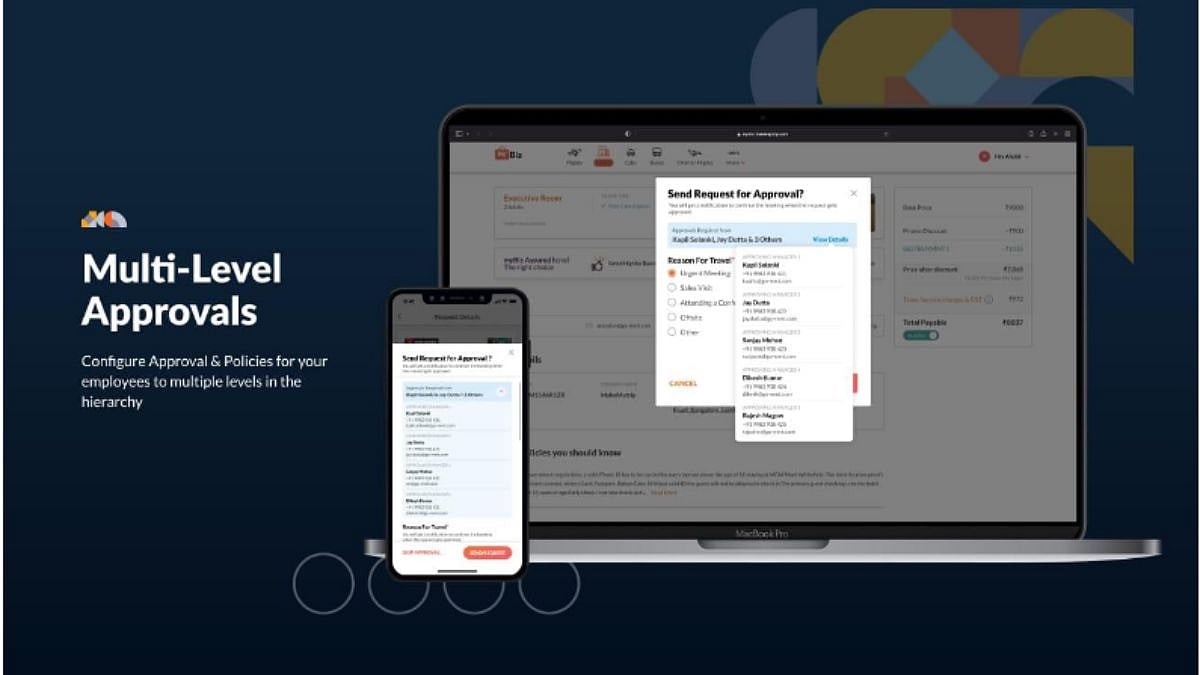
This is where tools like MyBiz come into the picture, especially for organizations that want everything in one place. Instead of handling bookings, expenses, and approvals separately, MyBiz connects these elements so that information flows naturally from one stage to another.
When travel bookings are made through integrated platforms, expense tracking becomes easier because much of the data is already available. Employees don’t need to manually enter details that the system already knows. This reduces duplication of effort and minimizes errors. Over time, it also helps companies maintain consistency in how expenses are recorded and reviewed.
Real-Life Situation: Submitting Expenses after a Long Trip
Imagine returning from a week-long work trip with back-to-back meetings and travel across cities. By the end of it, all you want is rest, but instead, there’s a pending task of submitting expenses. You open your bag and find a mix of receipts, some faded, some missing, and others that don’t clearly explain what they were for.
You try to piece everything together, scrolling through emails and bank statements to fill in the gaps. It takes hours, and even then, you’re not entirely confident that everything is accurate. When the report gets sent back for corrections, the process starts all over again. This is a situation many employees relate to, and it explains why expense tracking feels more stressful than it should.
How Automation Changes the Experience
Automation has started to change this experience in a meaningful way. Instead of relying on memory, systems now capture data in real time. Receipts can be scanned instantly, transactions can be auto-recorded, and categories can be suggested based on patterns.
This reduces the mental load on employees. They don’t have to remember every detail because the system is already doing most of the work. It also speeds up approvals since finance teams receive cleaner, more organized reports.
What Businesses Gain from Better Expense Visibility
For businesses, better expense tracking is not just about convenience but also about control. When expenses are clearly recorded and categorized, companies gain better visibility into spending patterns. This helps in budgeting, forecasting, and identifying areas where costs can be optimized.
It also improves compliance. Clear records make audits easier and reduce the risk of policy violations. Over time, this builds trust between employees and management because the process feels fair and transparent. Instead of chasing receipts or questioning claims, teams can focus on more important aspects of their work.
Tracking expenses shouldn’t feel like an extra burden after a work trip. With the right tools and a more connected approach, the process becomes smoother and less stressful.
Published on: Saturday, May 09, 2026, 12:11 PM ISTRECENT STORIES
-
-
-
-
-