How To Know If Your Home Needs A Water Softener
Hard water often goes unnoticed but gradually causes limescale buildup, stains on fixtures, and damage to plumbing and appliances and higher maintenance costs overallly. It also leads to soap scum, reduced detergent efficiency, dry skin, frizzy hair, and dull laundry. A water softener uses ion exchange to replace calcium and magnesium with sodium, improving water quality and household efficiency.

How To Know If Your Home Needs A Water Softener | file photo
Many households deal with hard water without even realising it, mainly because its effects appear slowly. What may start as a normal stain on bathroom fittings can eventually lead to scaling in pipes and can cause high maintenance costs. However, the effects are not confined to bathroom and plumbing, hard water can leave mineral residue on kitchen sinks while also making your skin and hair feel dry. But how can you tell if your water supply has mineral concentration?
This blog will help you understand the common signs that may indicate your water supply has hard water.
What is a Water Softener?
A water softener is a treatment system designed to reduce water hardness. Hard water usually contains dissolved minerals like calcium and magnesium that are naturally absorbed as water passes through different mineral rich soils and rocks.
A water softener works through a process called ion exchange, in which water passes through the resin beads that attract hardness-causing minerals and simultaneously exchange them with sodium, making it softer.
The level of hardness in water varies from place to place. For instance, areas like Gujarat and Maharashtra experience high hardness in comparison to states like West Bengal and Odisha. Although the effects of hard water are subtle, it can create challenges, such as limescale buildup, white chalky stains and dry hair and skin for households.
Signs Your Home Needs a Hard Water to Soft Water Converter
Now that you have understood what hard water is, let’s look at how hard water problems commonly manifest in households. These signs can help indicate whether your home may need a hard water softener.
1. White stains on fixtures
White stains are one of the common signs of hard water. You may see white, chalky deposits on taps, showerheads, sinks, and electrical appliances such as geysers and electric kettles. This residue is commonly known as limescale buildup.
These stains may not come off easily with just soap and water and may require frequent cleaning using solutions such as vinegar and water.
2. Soap scum buildup on bathroom floors and kitchen sinks
Hard water reacts with soap, making it difficult for the soap to dissolve properly. Therefore, you may see soap residue buildup on kitchen sinks after washing utensils and on bathroom floors after bathing.
3. Dryness on the skin and frizzy hair
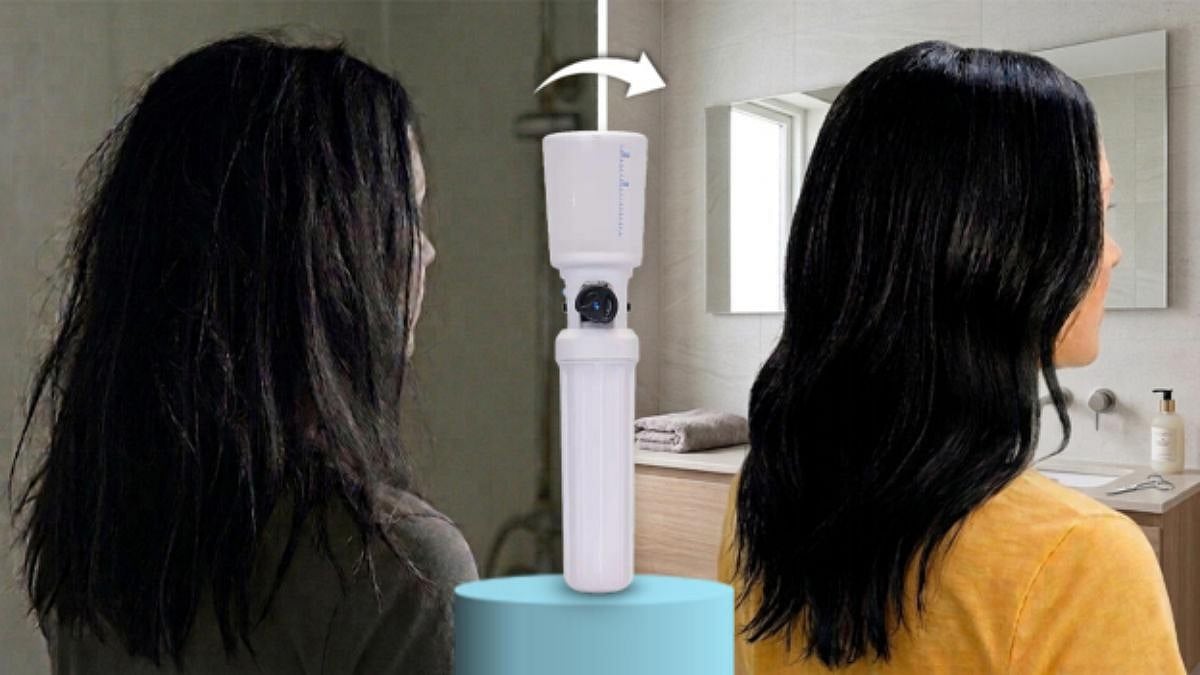
Since hard water reacts with soaps and shampoos, you may have noticed that even after bathing, your hair feels stiff and frizzy, and your skin feels dry.
4. Stiff and dull laundry after washing
Hard water interferes with detergents, reducing their cleaning effectiveness. This can leave your clothes stiff and appear dull after repeated washing cycles.
5. Reduced efficiency of electrical appliances
Appliances such as geysers and dishwashers are directly affected by the mineral deposition caused by hard water. As these deposits build up over time, they can reduce the working efficiency of the appliances. This may increase energy consumption and lead to higher electricity and maintenance costs.
Conclusion
Hard water problems develop gradually, which is why households often notice the impact only after their plumbing system, appliances, and personal comfort start getting affected. Understanding the early signs and installing a water softener can help prevent this from happening. If your water usage is high, installing a water softener for your home is a better choice, as it can provide softened water across all the water outlets in the house. However, if the usage is low, installing a bathroom water softener can be a practical option. A suitable water softener system can contribute to improved efficiency of appliances and greater household comfort over time.
RECENT STORIES
-
-
-
-
-