Indore Welcomes The Supreme Court’s Ruling, Awaits The Standard Operating Procedure For Enforcement
“Rabies-infected dogs can be medically identified, but defining a ‘dangerous dog’ is complicated. A scientific definition and SOP are necessary before field action begins,” Yadav said. Officials feared that without clear parameters, frontline staff could face resistance from animal rights activists, local residents and even legal scrutiny.

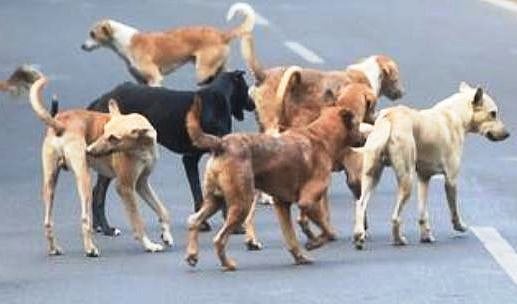
Indore Welcomes The Supreme Court’s Ruling, Awaits The Standard Operating Procedure For Enforcement | Fp Photo
Indore (Madhya Pradesh): The Supreme Court’s observations permitting euthanasia of rabies-infected and “aggressive” stray dogs have brought major relief to Indore, a city already struggling with a growing stray dog menace and rising bite incidents. However, authorities said the exercise cannot begin immediately in the absence of a clear Standard Operating Procedure (SOP).
While the Indore Municipal Corporation (IMC) welcomed the order and promised strict implementation, officials admitted that the absence of a defined SOP and ambiguity over the definition of a “dangerous and aggressive dog” could create confusion and legal complications during enforcement.
Mayor Pushyamitra Bhargav said the civic body would comply with the Supreme Court’s directions “in letter and spirit” and assured that a dedicated team, trained manpower and operational guidelines would be deployed before any drive was launched.
However, officials within the municipal machinery expressed concern over practical implementation without triggering allegations of animal cruelty or arbitrary action.
Speaking to The Free Press, Dr Uttam Yadav, zoo in-charge and also head of the city’s Animal Birth Control (ABC) centres, said the provision regarding euthanasia of rabid dogs already existed earlier, but the inclusion of the term “dangerous” had created a grey area.
“Rabies-infected dogs can be medically identified, but defining a ‘dangerous dog’ is complicated. A scientific definition and SOP are necessary before field action begins,” Yadav said.
Officials feared that without clear parameters, frontline staff could face resistance from animal rights activists, local residents and even legal scrutiny. Questions such as whether repeated biting behaviour, aggression, territorial attacks or pack violence qualify a dog as “dangerous” remained unanswered.
Yadav added that the IMC currently had trained staff and limited infrastructure for rescue and handling operations, but the city urgently required larger shelter homes, quarantine facilities and modern rescue centres.
According to officials, a proposal seeking nearly ?90 lakh in grant assistance had already been sent to the Animal Welfare Board of India for strengthening dog shelters, rescue infrastructure and related operations.
Meanwhile, the Supreme Court order sharply divided public opinion in Indore. Residents in several colonies, particularly children and elderly citizens, repeatedly complained about aggressive stray dog packs chasing pedestrians and attacking two-wheeler riders during late evenings and early mornings.
On the other hand, animal welfare activists expressed concern over possible misuse of the order and demanded that euthanasia remain a “last resort” only in medically certified cases.
Activists argued that civic bodies should focus more aggressively on sterilisation, vaccination and scientific stray management instead of punitive action. However, frustrated residents said the city’s stray dog problem had reached alarming proportions and required immediate intervention beyond routine sterilisation drives.
“The Indore Municipal Corporation will implement the Supreme Court’s directions in full spirit. A dedicated team, proper staff training and clearly defined operational rules will be ensured before any drive is conducted. Public safety remains our top priority, but all actions will also remain within legal and humanitarian parameters.”
Pushyamitra Bhargav Mayor (Indore)
“The challenge is not identifying rabies-infected dogs, because those can be medically verified. The real issue is the ambiguity surrounding the term ‘dangerous dog’. Without a scientific definition or a detailed Standard Operating Procedure, there can be confusion during implementation. Any action must be legally sound, medically justified and carried out with complete transparency.”
Dr Uttam Yadav, In-charge Kamla Nehru Prani Sangrahalaya and ABC center
Ground Reality: Why IMC Says SOP is Crucial
Key Issue
Concern Raised by Officials
Definition of “dangerous dog”
No scientific or legal clarity yet, Enforcement
Risk of misuse and public backlash
Medical verification
Rabies testing and certification are needed
Infrastructure shortage
Lack of large shelter and quarantine centres
Staff safety
Rescue teams vulnerable during operations
Legal complications
Possibility of litigation by activists
Indore’s Stray Dog Challenge at a Glance
Parameter
Estimated Data
Estimated stray dog population in Indore
Over 1.5 lakh
Daily dog bite cases reported in city hospitals are 80–120 cases
ABC sterilisation centres operational
Limited municipal centres
Proposed infrastructure grant of Rs 90 lakh
Major public complaints: dog attacks, chasing vehicles, rabies fear
RECENT STORIES
-
-
-
-
-