FPJ EXCLUSIVE: India will continue to face power crisis from time to time, says former MD & CEO of Indian Energy Exchange Jayant Deo
Not only Maharashtra, but 12 states are also currently facing power crisis amid rising demand and less coal supply. In an exclusive interview, former member of the Maharashtra Electricity Regulatory Commission and former MD & CEO of Indian Energy Exchange Jayant Deo explains the reason behind the crisis.

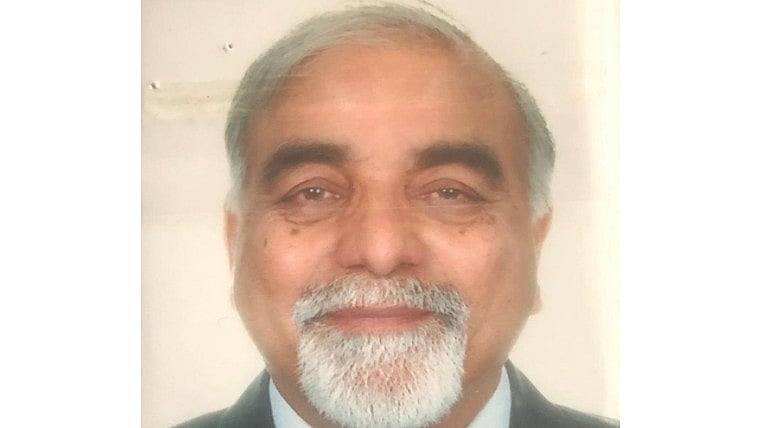
Former MD & CEO of Indian Energy Exchange Jayant Deo |
Here is an extract from the interview:
Why does India have to face power crisis on & off?
Through the Electricity Act of 2003, the parliament allowed bulk consumers to help themselves through their own generation- including in group- sell excess power through market mechanisms or directly to needy consumers and in process removed responsibility of Distribution Companies of compulsory supplying power to Bulk consumers. The purpose is that the Government alone can not continue to take responsibility for supplying power to the growing economy. It is felt that synchronised efforts of the entire society will find innovative and environmentally suitable solutions for generating and supplying power, competitively.
The intended wisdom of Parliament is not yet implemented, hence India will continue to face power supply crisis, from time to time.
How small/ weaker consumers are planned to be protected under Electricity Act 2003?
These consumers remain regulated so their tariff is concerned and the responsibility of compulsory supply is cast on Distribution Licensee. The tariff will continue to decline or remain the same over time, as more and more consumers are permitted to be bulk consumers, by allowing them Open Access and not determining their tariff. This will reduce power procurement volume of the Distribution Companies.
As the procurement is based on Merit Order, the average cost of procurement of this reduced volume will come down. This will benefit regulated consumers in terms of lower tariff and consequently State Governments in terms of lower subsidy if any.
The Regulatory Commissions have the responsibility of developing the Electricity Market, which helps Open Access consumers to get/make competitive supply. Even the Distribution Companies across India are permitted to contract bilateral power Supply to Open Access Consumers at mutually agreed rate or through market mechanisms.
However, the regulators continue to treat Bulk Consumers as monopoly Consumers of the Distribution Licensees, and in process highly burden small consumers through artificially inflated tariff. This justifies many not to pay the bills and this creates a considerable mountain of fictitious receivables. This in turn takes the sector for the next crisis.
What is required to be done?
The solution lies in the Electricity Act 2003 itself. The Act puts the responsibility of directing The Regulatory Commissions, ( SERCs ) in terms of their statutory functions, on The Appellate Tribunal of Electricity ( APTEL). Notwithstanding any unwarranted pressure the SERCs are bound to implement the APTEL direction.
The MOP has to write to APTEL, giving reference of the instructions it communicated to all stakeholders (copy was indeed marked to APTEL ) and ask them to deliberate and pass necessary directions within few months, to Forum Of Regulators ( FOR ) a statutory body of all SERCs and CERC. There will be open and transparent hearings in APTEL, and the final outcome will help avoid the recurrence of the crisis in the power sector.
RECENT STORIES
-
-
-
-
-