Car Insurance And Road Trips: What To Check Before A Long Drive
Long road trips require drivers to review their car insurance details before travelling, as unfamiliar routes can create unexpected challenges. The article highlights checking policy validity, understanding comprehensive or third-party coverage, considering zero depreciation cover and confirming roadside assistance benefits.

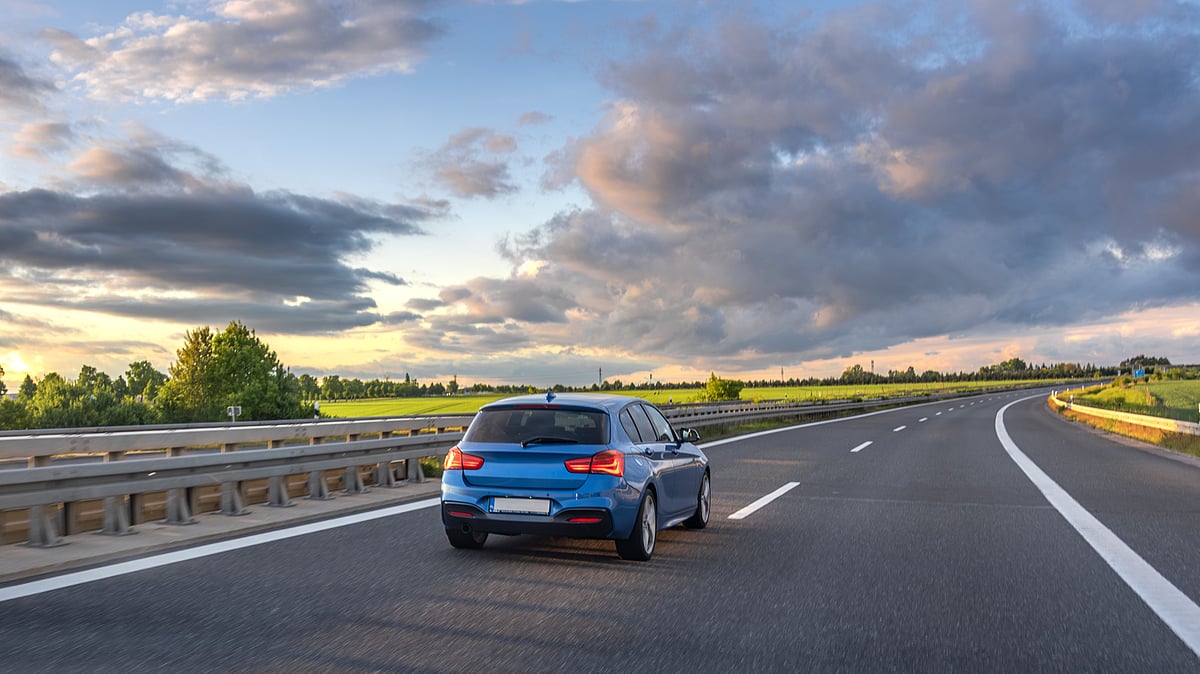
Car Insurance And Road Trips: What To Check Before A Long Drive |
Packing for a road trip usually means checking the tires, topping up fluids, and making sure the playlist is ready, while insurance quietly gets left off the list entirely. Most people assume their policy just works no matter where they drive, and for the most part that is true, but a long drive across states brings a few specific situations where it genuinely helps to know your coverage details ahead of time rather than figuring them out on the side of a highway.
Why Long Drives Put Different Demands on Your Policy
A daily commute rarely tests the limits of your car insurance, since you are driving familiar roads with known repair shops nearby if anything goes wrong. A long road trip changes that entirely. You are covering unfamiliar terrain, possibly crossing several states, and relying on repair networks and assistance services you have never used before. None of these requires a different policy, but it does mean it pays to actually understand what you are covered for before you are hours away from home dealing with an issue.
Confirming Your Coverage Is Valid Everywhere You're Headed
Car insurance in India is valid nationwide regardless of which state issued your policy or registered your vehicle, so you do not need a separate policy or endorsement just because you are crossing state lines. What you do need to confirm is that your policy is currently active and not sitting close to its expiry date, since a lapse mid trip leaves you both legally exposed and financially unprotected if something happens.
Checking Your Expiry Date Before You Leave
It sounds obvious, but plenty of people discover their policy has quietly expired only after an incident force them to check. Take two minutes before any long trip to confirm your renewal date and make sure it comfortably covers the full duration of your travel, including any buffer time in case your return gets delayed.
Reviewing The Type of Coverage You Actually Have
Before a long drive, it helps to know whether you are on a basic third-party plan or a comprehensive one, since this affects what happens if your own vehicle gets damaged somewhere unfamiliar. Third party cover will handle liability toward others, but repairs to your own car after a scrape, a pothole related suspension issue, or a minor collision on unfamiliar roads will come entirely out of your pocket unless you carry comprehensive protection.
Why Zero Depreciation Car Insurance Matters More on Long Routes?
Long drives, especially through areas with rough roads, gravel stretches, or unpredictable weather, tend to increase the odds of minor damage like scratched bumpers, cracked lights, or dented panels from debris. This is exactly where zero depreciation car insurance becomes genuinely useful, since it removes the standard depreciation deduction applied to plastic, fiber, and other fast wearing parts during a claim. Without this add-on, repairing this kind of incidental road trip damage often means paying a larger share out of pocket than most people expect, since these are precisely the parts that depreciate fastest under a standard policy.
Roadside Assistance and What It Covers Away from Home
Roadside assistance becomes far more valuable on a long trip than it typically is around town, simply because breakdowns away from familiar mechanics are harder to handle on your own. Before you leave, check what your specific plan covers, including towing distance limits, whether it includes fuel delivery if you run out on a stretch with no nearby station, and whether flat tire or battery jump start service is included. Some plans also offer accommodation assistance if a breakdown forces an unplanned overnight stay, which is worth knowing about in advance rather than discovering mid trip.
Documents Worth Carrying Alongside Your Policy
Keep a copy of your policy document, either physical or saved on your phone, along with your registration certificate and driving license. Having your insurer's claims helpline number saved separately, not just buried in an app you might struggle to open with a weak signal, can save valuable time if you need to report an incident quickly from an unfamiliar location.
What to Do if Something Happens Far from Home
Contact your insurer's helpline as soon as it is safe to do so if an accident or breakdown happens during your trip. Ask specifically about repair options near your current location rather than assuming you need to return home first.
Finding a Cashless Garage Along Your Route
Most insurers maintain a network of cashless garages across the country, and checking this network for cities or towns along your planned route before you leave can save a lot of stress if repairs become necessary. Knowing in advance which towns on your route have a network garage means you are not searching for one under pressure after something has already gone wrong.
A Simple Checklist Before You Hit the Road
Confirm your policy is active well beyond your expected return date, know whether you are on comprehensive or third party cover, consider zero depreciation cover if your route includes rough terrain, save your insurer's helpline number where you can find it easily, and check for cashless garages along your path in advance. None of this takes more than a few minutes, but it means one less thing to worry about while you are actually enjoying the drive.
Small Habits That Make a Bigger Difference Than People Expect
Beyond the paperwork, a few small habits genuinely reduce how often car insurance even comes into play on a long drive. Taking short breaks every couple of hours keeps fatigue from turning into a bigger mistake on unfamiliar roads, and checking tire pressure and brake condition before departure catches problems while they are still cheap to fix rather than after they cause an accident somewhere far from a familiar mechanic.
It also helps to share your route and estimated stops with someone back home, not for insurance purposes directly, but because it makes coordinating help faster if you do end up needing to file a claim or arrange a tow from an unfamiliar area. A well-prepared trip rarely needs its insurance policy tested, but knowing the details are in order lets you actually focus on the drive instead of wondering what happens if something goes wrong.
RECENT STORIES
-
-
-
-
-