Who Is Harish Rana? 31-Year-Old Man To Be Taken Off Life Support After Supreme Court Nod Following 13 Years In Vegetative State
The Supreme Court of India issued a landmark decision on Wednesday allowing Harish Rana, 31, to withdraw life-sustaining treatment after being in a permanent vegetative state for more than 13 years.

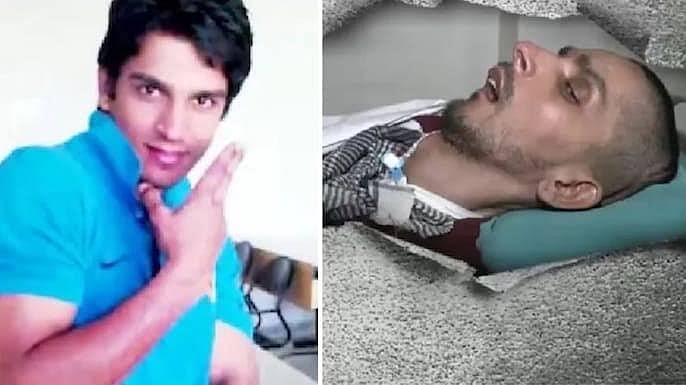
New Delhi: The Supreme Court of India issued a landmark decision on Wednesday allowing Harish Rana, 31, to withdraw life-sustaining treatment after being in a permanent vegetative state for more than 13 years.
This decision has been described as the country’s first passive euthanasia case of its kind.
Who Is Harish Rana?
Harish Rana was a BTech student in 2013 when he reportedly fell from the fourth floor of his paying guest accommodation, sustaining serious injuries as per various media reports.
The fall resulted in a traumatic brain injury, rendering him 100% disabled and in a permanent vegetative state. Rana has required continuous medical care since the accident and has been fed through a PEG tube. Doctors have repeatedly stated that his chances of recovery are practically nonexistent.
For over a decade, his family fought a painful battle to keep him alive, facing immense emotional and financial challenges. According to reports, Rana’s parents spent years managing his medical treatment, including multiple hospitalizations, and at one point even sold their house to continue funding his care.
Eventually his father filed a petition seeking passive euthanasia, which means the withdrawal of life-sustaining treatment to allow a natural death with no active euthanasia.
Supreme Court Examined The Case
The Supreme Court examined the case under the guidelines of the 2018 "Common Cause" decision, which acknowledged that the right to life under Article 21 and includes the right to die with dignity.
Before making its decision, the court went through a rigorous legal and medical process. Medical boards were formed to investigate Rana's condition and determine whether he was in a permanent vegetative state. The court also reviewed the family's consent and carefully considered the ethical and legal implications of withdrawing life support.
Finally, the Court approved the withdrawal of life-support treatment, ordering that the procedure be carried out under medical supervision, including treatment at AIIMS Delhi if necessary. This is regarded as one of the most significant passive euthanasia decisions in India.
What Did the Medical Board Say?
After assessing Rana's condition, the primary medical board determined that there was a negligible chance of recovery.
What Did the Court Say?
The Supreme Court stated that an individual can choose death when prolonging life through artificial life support goes against their dignity and there is no hope of recovery. On December 11, the court further stated that, according to the primary medical board's report, the patient was in "pathetic condition."
According to guidelines issued by the Supreme Court in 2023, both a primary and secondary medical board must be formed to provide expert opinion on withdrawing artificial life support for a vegetative patient.
RECENT STORIES
-
-
-
-
-