UPI Payments To Get Costlier? Here's What New MDR Rules Mean For Google Pay, PhonePe And Paytm Users
New UPI MDR rules may charge merchants 0.4 percent on payments above Rs 2,000. Will Google Pay, PhonePe and Paytm users pay more? NPCI explains pricing impact and possible rollout delay.

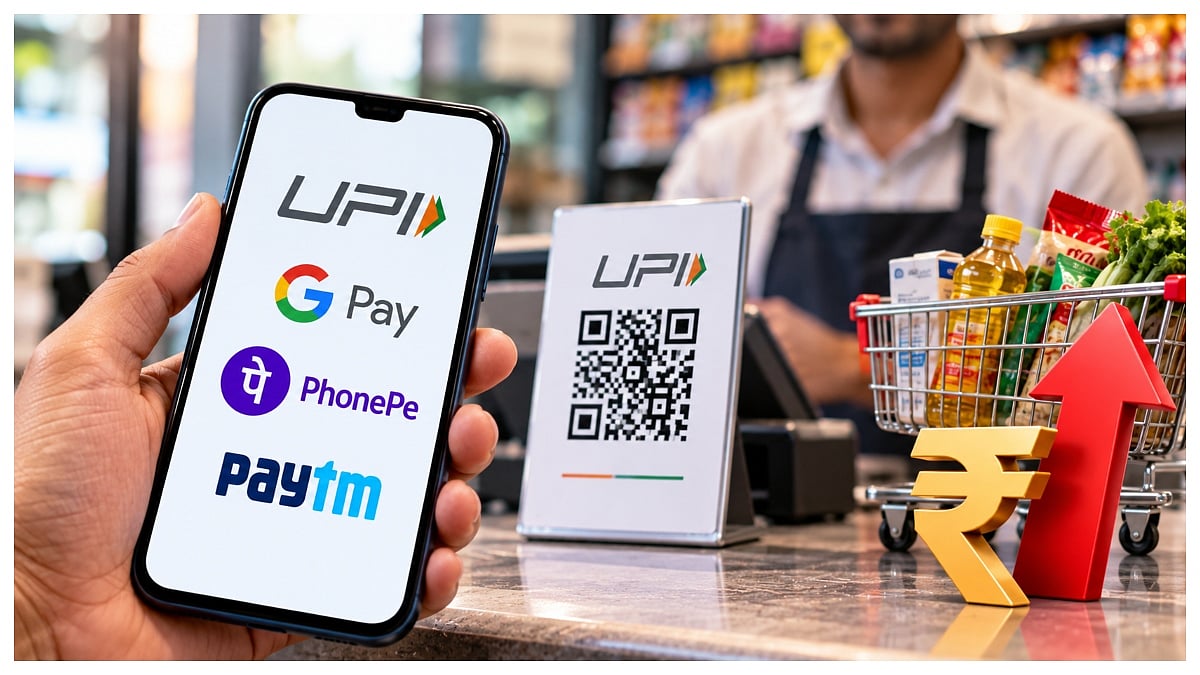
New UPI MDR rules may charge merchants 0.4 percent on payments above Rs 2,000. |
Mumbai: Will UPI payments become costlier for consumers using Google Pay, PhonePe and Paytm? The government's proposed Merchant Discount Rate (MDR) on certain transactions has raised concerns about higher shopping bills, even as authorities maintain that customers will not face additional charges.
The new framework proposes a 0.4 percent MDR on merchant UPI payments exceeding Rs 2,000, capped at Rs 300 per transaction.
Will Customers Pay More?
The government has clarified that UPI payments will remain free for consumers. The proposed MDR will be paid by merchants accepting digital payments, not customers making purchases.
However, concerns have emerged that shopkeepers could increase product prices to recover the additional cost, particularly on high-value purchases.
The National Payments Corporation of India (NPCI) has addressed these concerns through its frequently asked questions document.
What Has NPCI Clarified?
According to NPCI, merchants generally absorb nominal digital payment processing charges as part of their operating expenses.
Digital payments help businesses attract customers, increase transaction values and reduce risks associated with handling cash.
NPCI believes the proposed MDR is significantly lower than credit card processing charges, giving merchants little economic incentive to increase retail prices.
The government has also advised banks to ensure merchants do not pass MDR charges directly to customers.
UPI applications cannot impose additional platform fees or hidden charges under the proposed framework.
Which UPI Transactions Will Attract MDR?
The proposed 0.4 percent MDR will apply to specified merchant transactions exceeding Rs 2,000.
For example, a Rs 5,000 eligible merchant payment would attract a processing charge of Rs 20, payable by the merchant.
However, certain essential services and low-margin sectors will attract a flat Rs 5 charge on qualifying transactions.
These include railways, telecommunications, insurance, fuel purchases and agricultural inputs.
Capital market transactions involving mutual funds, securities and stockbrokers will attract a lower MDR of 0.02 percent, capped at Rs 300.
What About Google Pay, PhonePe And Paytm?
Users of Google Pay, PhonePe and Paytm can continue making UPI payments without paying MDR directly.
Person-to-person transfers and merchant payments up to Rs 2,000 will remain free under the proposed rules.
ALSO READ
Businesses accepting larger payments may face additional processing costs, but customers are not expected to pay separately.
Will Implementation Be Delayed?
The new MDR framework was initially expected to take effect on October 15, 2026.
However, a Reuters report indicated that implementation could be postponed until January 1, 2027.
NPCI has not finalised the revised timeline, and the government has made no formal announcement.
A delay would allow payment companies to upgrade systems and help merchants manage festive-season transactions without immediate additional costs.
RECENT STORIES
-
-
-
-
-