Union Budget 2026: Real Estate’s New Frontier Driven By Tourism And Hospitality Momentum
Union Budget 2026–27 places tourism at the core of India’s growth strategy, boosting hospitality, experiential real estate and infrastructure. Investments in connectivity, wellness, medical tourism and cultural circuits are set to drive employment, capital inflows and inclusive development.

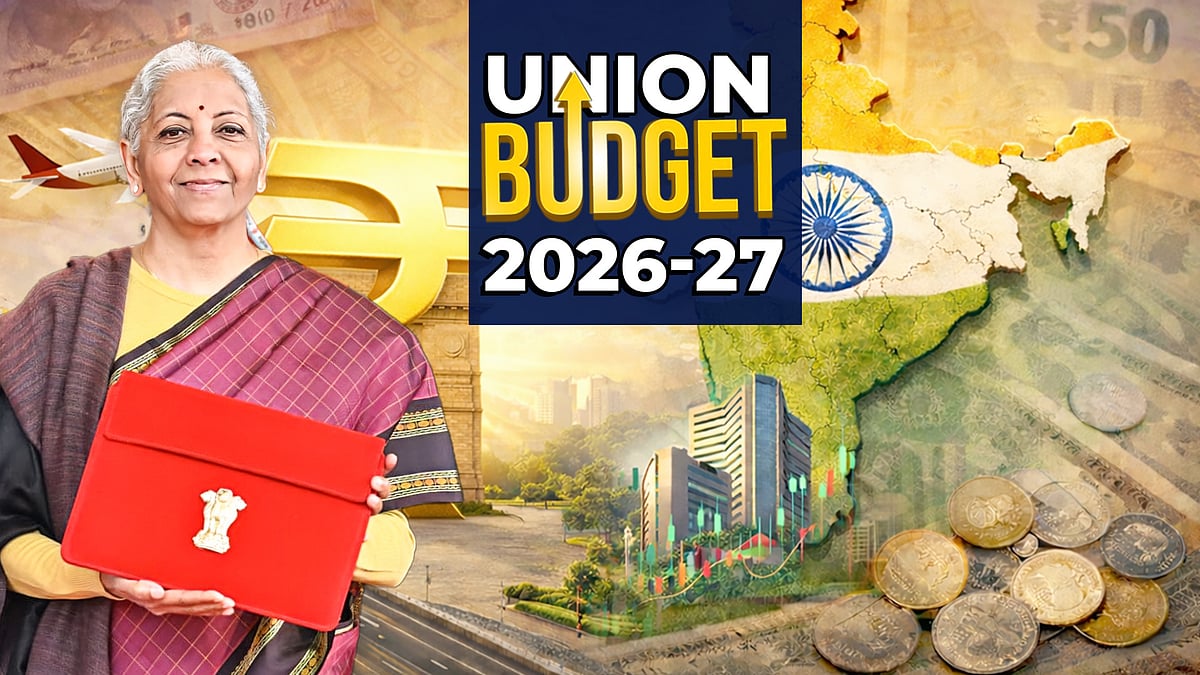
Union Budget 2026 highlights tourism and hospitality-led growth as the next frontier for India’s real estate sector | FPJ
The Union Budget 2026–27 unfolds a landmark blueprint for India’s tourism and hospitality sectors, catalysing a vibrant economic multiplier effect that ripples across real estate and allied industries.
With a targeted investment in developing 50 iconic tourist destinations, alongside renewed emphasis on rural, spiritual and heritage tourism, the government’s approach dovetails perfectly with the transformative ambitions of Make in India, Viksit Bharat and Atmanirbhar Bharat.
Hospitality as a growth engine
Tourism today is a dynamic growth engine—driving employment, inflows of foreign exchange and spurring diversified real estate demand. This year, with the hospitality sector granted infrastructure status, investors have stronger financial incentives bolstered by GST simplification and robust skill development programmes. These measures will streamline service quality and stimulate much-needed capital infusion into hotels, resorts and allied assets.
Experiential real estate and emerging cities
Crucially, the Budget fuels an emerging category of experiential real estate—from hostels, Ayurvedic and medical centres, wellness and yoga hubs, to senior living projects, hospitality-driven education campuses, stayhomes and food and beverage outlets.
Together, these form integrated lifestyle ecosystems that will flourish alongside tourism growth. This is especially promising for Tier-2 and Tier-3 cities, as well as peri-urban corridors, making real estate development more inclusive and future-ready.
Connectivity and coastal corridors
Infrastructure connectivity remains at the heart of this transformation. Enhanced connectivity through new airports, expressways, high-speed rail corridors and coastal linkages will unlock fresh tourism circuits, driving demand for hospitality and real estate services.
For instance, the Mumbai Harbour–Alibaug corridor, complemented by improved Navi Mumbai and Pune connectivity, has created a burgeoning coastal holiday hotspot in Maharashtra.
Further, investments in inland waterways and shipping corridors will open new coastal nodes across states, integrating trade, tourism and real estate growth.
Wellness, medical tourism and coastal clusters
Wellness tourism and AYUSH sectors receive a significant boost with dedicated investments in yoga centres, Ayurvedic healing hubs and meditation retreats—positioning India as a global hub in holistic wellness.
Coupled with the government’s focus on medical tourism, healthcare real estate is poised for rapid expansion across metros and emerging cities, attracting much-needed foreign exchange—a critical factor in addressing fiscal and trade balance pressures.
India, the world’s second-largest fish producer, also benefits from renewed attention on fisheries and coastal activities, which will indirectly spur real estate demand in coastal clusters.
Cultural tourism and MSME participation
This Budget’s benevolence extends to cultural tourism with increased funding for preservation, festival promotion and the creation of spiritual and heritage circuits.
Year-round tourism promotion, supported by digitisation and MSME inclusion in local crafts and cuisine, will sustain continuous demand for real estate across commercial, hospitality and residential segments.
Outlook for investors and developers
The sum effect is a powerful economic engine driving employment generation, real estate asset diversification and robust capex inflows. Investors and developers have clear signals—the market is evolving towards lifestyle-oriented, experience-driven assets that celebrate India’s cultural, spiritual and ecological wealth while aligning with Atmanirbhar Bharat’s self-reliance vision.
Also Watch:
Conclusion
In closing, the Union Budget 2026–27 does not merely support tourism but positions it as a cornerstone of India’s next phase of inclusive growth. The symbiotic relationship between tourism expansion and real estate development foreshadows a resilient, diversified economy where infrastructure investments and policy reforms combine to unlock India’s full potential on the global stage.
Author is Chairman, NAREDCO & HIRANANDANI
RECENT STORIES
-
-
-
-
-