Tamilnad Mercantile Bank Eases Loan Burden with Lower Interest Rates from March 7
Tamilnad Mercantile Bank (TMB) has lowered its one-year MCLR to 9.60 per cent and RLLR to 9.25 per cent, effective March 7, 2025. The rate cuts aim to make home, car, and personal loans more affordable for borrowers.

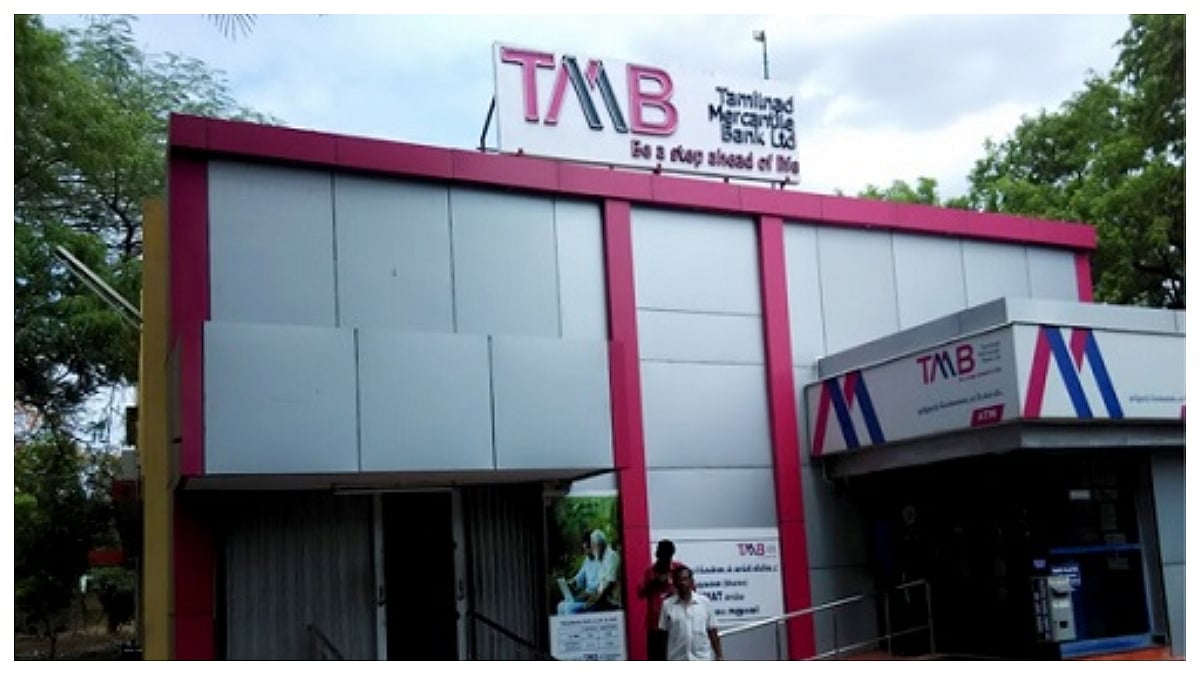
Tamilnad Mercantile Bank (TMB) has announced a reduction in its Marginal Cost of Funds Based Lending Rate (MCLR) and Repo Linked Lending Rate (RLLR), effective from March 7, 2025. The move aims to make borrowing more affordable for customers by aligning interest rates with market conditions.
Revised MCLR and RLLR Rates
TMB has lowered its one-year MCLR from 9.75 per cent to 9.60 per cent, making loans linked to this benchmark more affordable. Additionally, the bank has reduced its RLLR from 9.45 per cent to 9.25 per cent. This revision is expected to benefit borrowers seeking home loans, car loans, and other credit products.
Why Has TMB Revised Its Lending Rates?
The rate cuts reflect the bank’s strategy to adjust lending rates based on market conditions and internal cost structures. By reducing borrowing costs, TMB aims to remain competitive and provide relief to customers amid fluctuating economic conditions.
Understanding MCLR and Its Impact
MCLR, or the Marginal Cost of Funds Based Lending Rate, is the minimum interest rate a bank can charge its customers for loans. It is calculated based on factors such as the cost of funds, operational expenses, and the bank's profit margin. When MCLR decreases, the interest rates on loans like home loans and personal loans linked to it also go down, making borrowing cheaper for customers.
RLLR and Its Effect on Loans
The Repo Linked Lending Rate (RLLR) is directly influenced by the Reserve Bank of India’s (RBI) repo rate. When the RBI revises the repo rate, banks adjust their RLLR accordingly. A lower RLLR results in reduced loan interest rates, benefiting borrowers with floating-rate loans.
What This Means for Borrowers
With these revised rates, customers seeking new loans or looking to refinance existing ones may benefit from lower EMIs. The move is expected to enhance credit demand and boost the housing and automobile sectors.
Borrowers should assess their options and consider locking in loans at these reduced rates to maximize savings on interest payments.
RECENT STORIES
-
-
-
-
-