Supply Chain Disruption May Reduce Fertiliser Output By 15%, Raise Govt’s Subsidy Bill By Rs 25,000 Cr
Energy disruption due to the West Asian war could reduce India’s fertiliser production by 10–15 percent and raise the government’s subsidy bill by Rs 25,000 crore, according to Crisil. Manufacturers may also face reduced profitability

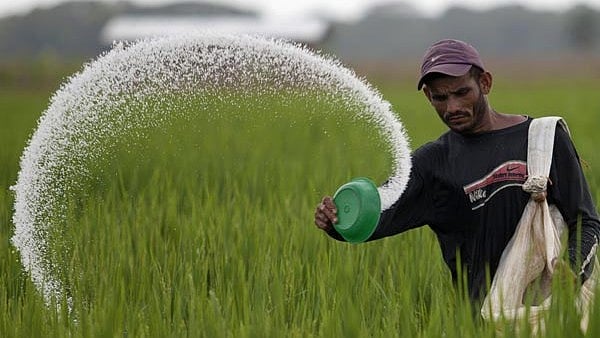
Energy disruption due to the West Asian war could lead to a reduction of 10–15 percent in India’s fertiliser production and raise the government’s subsidy bill by Rs 25,000 crore, according to a report by rating agency Crisil Ratings.
The report also indicated a reduction in the profitability of manufacturers due to rising input costs, along with lower capacity utilisation.
The Indian fertiliser industry is heavily dependent on the Gulf region for raw materials. About 20 percent of urea and one-third of complex fertilisers (diammonium phosphate, or DAP, and nitrogen, phosphorus, and potassium, or NPK), primarily DAP, are imported.
ALSO READ
Key raw materials for urea and complex fertilisers, such as ammonia and phosphoric acid, are largely imported due to limited domestic reserves, according to the report.
Natural gas comprises about 80 percent of the raw material cost of urea. For both urea and DAP imports, the Middle East remains an important region.
The region accounted for almost 40 percent of imports in the first nine months of FY26. The share was 42 percent in FY25 and 28 percent in FY24.
For domestic fertiliser production, dependence on the Middle East is even higher, with about 60–65 percent of liquefied natural gas (LNG) and 75–80 percent of ammonia imports coming from the region.
ALSO READ
The disruption could hurt kharif season sowing, which runs from June to October and coincides with the monsoon, said Anand Kulkarni, Director, Crisil Ratings.
“The impact on production will be cushioned to some extent by the recent government directive for allocation of 70 percent gas to urea manufacturers. Additionally, fertiliser inventory of around three months, along with expected imports from alternative sources, will mitigate the risk of immediate supply shortages,” Kulkarni said.
Fertiliser manufacturers may also face margin cuts and reduced profitability as prices of key raw materials are already up by double digits. The shortage of raw materials and increased supply chain costs have already raised ammonia prices by about 24 percent since the start of the conflict.
The report said the government may need to increase subsidy estimates by 12–15 percent for FY27. The government had planned to provide a subsidy of Rs 1.71 lakh crore during the financial year.
RECENT STORIES
-
-
-
-
-