Silver Crash Or Bull Market Reset? History Shows 30% Drops Often Precede Explosive Rallies Like 1974–1980 Run
Silver’s 30 percent crash in 2026 mirrors past corrections seen during bull markets like 1974, not the 2011 collapse. Experts say strong demand and supply factors remain intact. History shows such falls are often followed by sharp rallies, making patience crucial for long-term investors.

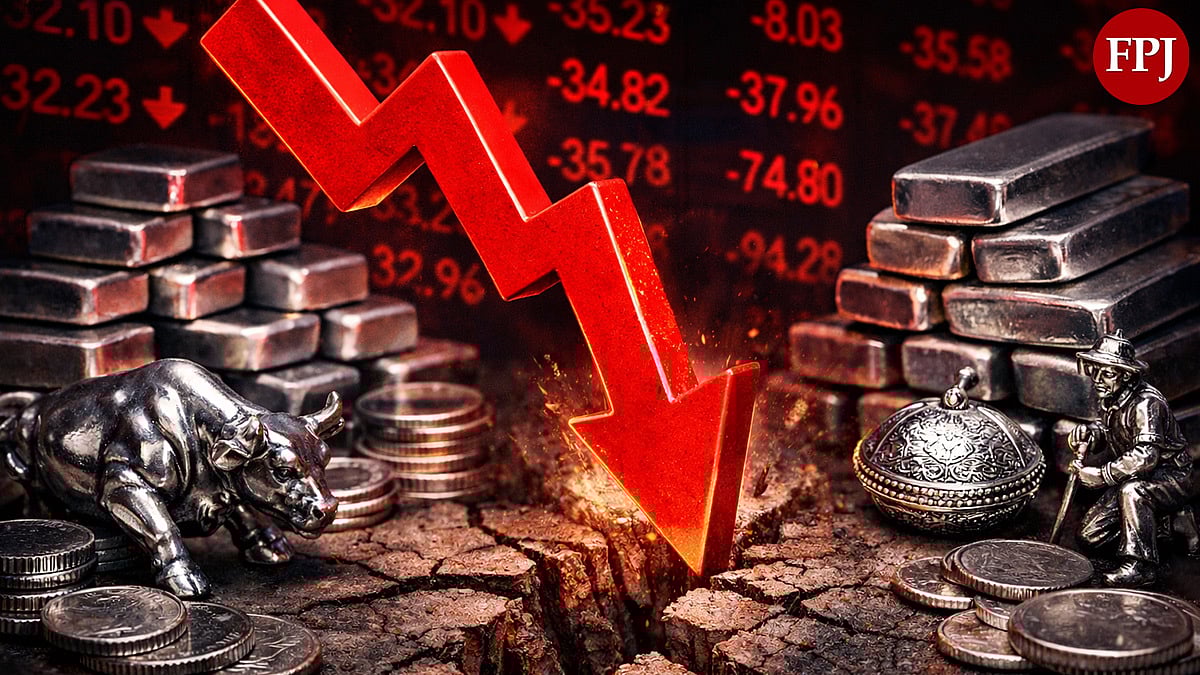
Silver’s Sudden Rise and Sharp Fall. |
Mumbai: Silver had a strong start in 2026, rising from around USD 71 per ounce to a record high near USD 121.67 in January. However, on January 30, it crashed nearly 30 percent in a single day after margin requirements were increased. Prices fell to around USD 74, wiping out huge gains.
Why Silver Is Highly Volatile?
Silver is known for sharp price movements. Unlike gold, its market is smaller, so even small buying or selling can move prices a lot.
Silver also has two types of demand. Investors buy it as a safe asset, while industries use it in solar panels, electric vehicles, and electronics. When both demands rise together, prices shoot up. But when selling starts, prices fall quickly.
What Triggered the 2026 Crash?
The main reason for the crash was forced selling. When margin requirements were raised, many traders had to sell their positions quickly. This caused a sharp fall in prices.
However, experts say this was more about market positioning and not a major change in fundamentals.
Lessons From History: 1974 vs 2011?
History shows that such crashes are not new. In the 1970s bull market, silver rose sharply but also fell about 45 percent between 1974 and 1976. Many investors exited, but those who stayed saw prices surge later to USD 50 by 1980.
In contrast, the 2011 crash was different. Silver fell after hitting USD 49 because economic conditions changed. Interest rates rose, and the bull market ended.
ALSO READ
Is 2026 More Like 1974?
Many analysts believe the current situation is closer to 1974. Demand for silver remains strong due to industrial use and limited supply. Interest rates are not high enough to end the bull market.
This suggests the recent fall may be a correction, not the end of the rally.
What Should Investors Do?
Silver is still up more than 150 percent over the past year, even after the fall. Experts say investors should not panic during sharp corrections.
Historically, those who sold during crashes missed the biggest gains later. Silver’s volatility is part of its nature, and long-term investors must be prepared for sharp ups and downs.
Disclaimer: This article is for informational purposes only and not investment advice. Commodity markets are highly volatile. Investors should assess risks carefully and consult financial advisors before making any investment decisions.
RECENT STORIES
-
-
-
-
-