Oil Prices Rise Above $95 As Trump Claims Control Over Hormuz After US Strikes On Iranian Tankers
Oil prices climbed as renewed US-Iran military strikes increased fears of supply disruptions from the Middle East. Brent crude rose near $96 a barrel, while WTI crossed $91. The escalation, attacks on shipping routes and declining US oil inventories have heightened market volatility, with traders monitoring further geopolitical developments

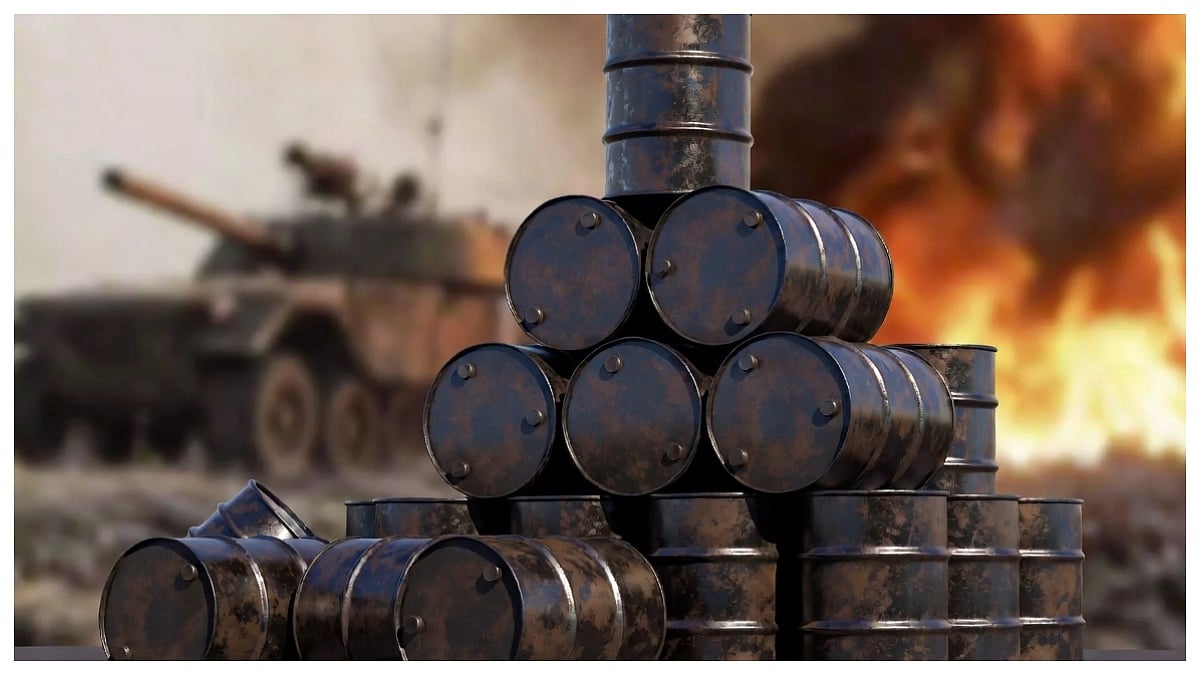
Oil prices moved higher in Asian trading on Wednesday as fresh military exchanges between the United States and Iran revived concerns over potential disruptions to global crude supplies.
Brent crude prices rose nearly 1.2% to $95.68 a barrel, while US West Texas Intermediate (WTI) increased around 0.9% to $91.05 a barrel. Both benchmarks have gained about $5 since hostilities resumed after a month-long period of relative calm.
The latest escalation followed US strikes on Iranian military and maritime targets, including air defence systems, radar installations, shipping-related assets and communication facilities.
Washington said the action was in response to attacks by Iran’s Islamic Revolutionary Guard Corps (IRGC) on commercial vessels in the Strait of Hormuz and US personnel in the region.
Reports suggested that the US also targeted two Iranian tankers, marking a new phase in the conflict involving energy shipping routes.
Iran responded by claiming attacks on US-linked facilities in the region. Countries including Jordan, Kuwait and Bahrain reported intercepting missile or drone threats, adding to concerns over rising tensions across the Middle East.
Supply risks keep crude prices elevated
Oil markets also received support from signs of tighter US inventories. The American Petroleum Institute reported a decline of 2.6 million barrels in crude stocks, while additional barrels were withdrawn from the Strategic Petroleum Reserve.
Investors are now awaiting official inventory data from the US Energy Information Administration for further direction.
The latest developments have increased fears of prolonged volatility in energy markets. The Strait of Hormuz remains a key concern for traders as it handles a significant share of global oil and gas shipments.
Analysts believe further disruption to crude flows could intensify price pressures, especially as Iran faces increasing economic challenges and may rely on energy routes as a strategic tool.
With diplomatic efforts showing limited progress and military tensions rising, global oil markets are expected to remain sensitive to developments in the US-Iran conflict.
RECENT STORIES
-
-
-
-
-