Mines And Minerals Amendment Bill 2026 Passed: Key Changes To Mining Leases, Critical Minerals And Captive Mines
Parliament has cleared the Mines and Minerals (Development and Regulation) Amendment Bill, 2026, aimed at expanding mineral exploration and development. The legislation provides greater flexibility to mining lease holders, removes the 50% sales cap for captive mines, expands the mineral trust’s mandate and proposes regulation of mineral exchanges

ANI
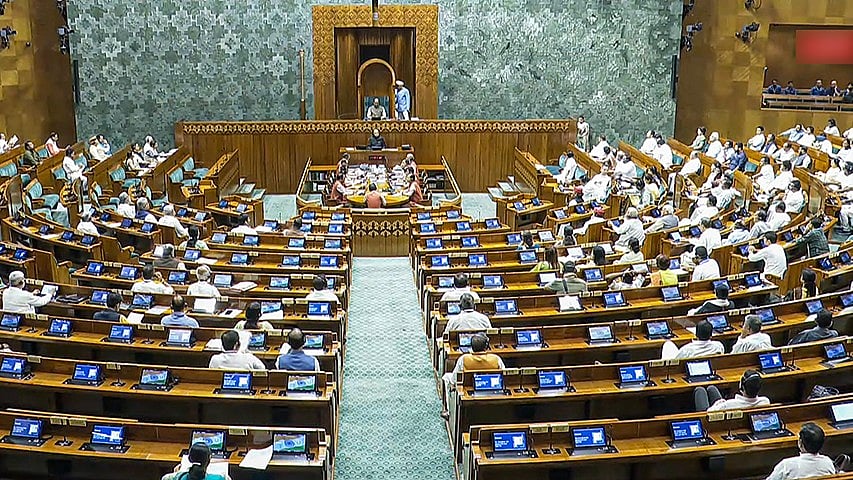
Parliament has approved the Mines and Minerals (Development and Regulation) Amendment Bill, 2026, after the Rajya Sabha passed it on Thursday, a day after its clearance by the Lok Sabha. The legislation will take effect after receiving the President’s assent.
The amendment to the Mines and Minerals (Development and Regulation) Act, 1957, is intended to promote mineral exploration and development, particularly for critical and strategic minerals. It allows holders of mining leases to seek state government approval to add other minerals to their existing leases.
No additional payment will be required for adding critical and strategic minerals and specified minerals such as lithium, graphite, nickel, cobalt, gold and silver.
For other minerals, lease holders will generally have to pay an amount equivalent to the applicable royalty. Auctioned mines will also attract the relevant auction premium for additional minerals. The Centre can alter these payment requirements through notification.
The legislation also permits minor minerals, including sand, gravel and building stones, to be added to leases for major minerals, with states determining the applicable royalty and other payments.
Captive mines get greater flexibility to sell output
A major provision removes the existing 50% ceiling on sales from captive mines. At present, operators can sell only half of their annual production after meeting their end-use requirements. The amendment allows them greater freedom to commercialise their mineral output.
State governments will also be able to permit the sale of mineral dumps accumulated within leased areas up to a date specified by the Centre.
The National Mineral Exploration Trust will be expanded to fund not only exploration but also mineral and mine development, and will be renamed the National Mineral Exploration and Development Trust.
For deep-seated minerals located more than 200 metres underground, lease areas can be expanded once by up to 30% for composite licences and 10% for mining leases.
The Bill also proposes an authority to register and regulate mineral exchanges, defined as electronic platforms for trading minerals and metals.
RECENT STORIES
-
-
-
-
-