Market Reality Check, Rahul Urges Patience Amid Volatility And Bubble Fears
Rahul Arora believes markets will remain volatile due to weak demand, inflation and global uncertainty. He advises investors to stay patient, focus on asset allocation and avoid blind optimism. Defence, banking and pharma look promising, while consumer staples and large IT remain challenging.

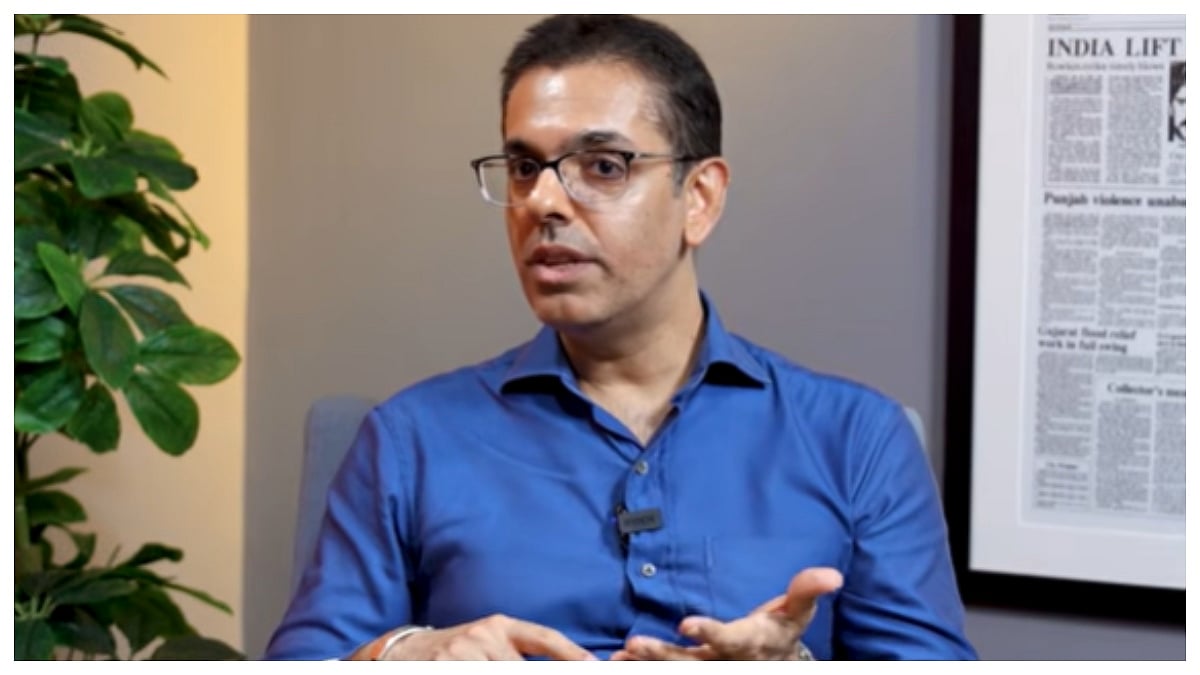
Rahul Arora, CEO, Ashika Institutional Equities. |
In an exclusive conversation with The Free Press Journal’s Business Editor-Consulting Sheryll D’Souza, Rahul Arora, CEO, Ashika Institutional Equities shared a sharp and honest view on India’s markets and economy. He spoke about rising volatility, weak demand, sectoral opportunities and investor behaviour. Rahul also warned against blind optimism in the markets, stressing that investors must focus on patience, discipline and smart asset allocation instead of chasing easy gains.
Markets have become highly volatile. What has changed?
Markets are far more difficult to predict now because both domestic and global risks have increased.
Over the last decade, India has faced major disruptions like demonetisation, GST rollout, Covid, weak monsoons, the Russia-Ukraine war and now fresh geopolitical tensions. These repeated shocks have reduced the chances of long and stable bull runs.
Crude oil is another major concern. Rising oil prices increase freight, logistics and production costs. Many companies are still protected by existing inventories, but over time higher costs will hurt margins and profitability.
ALSO READ
What are the biggest domestic concerns right now?
India’s biggest challenge is weak structural demand.
The rich are spending more on premium products, luxury cars, hotels and travel. But mass consumption remains weak. Consumer goods companies are struggling to deliver strong volume growth, which clearly shows demand is uneven.
India’s young population is often seen as a big strength. But demographics alone do not guarantee growth. The bigger question is whether young people are skilled, employed and productive.
Has easy money after Covid created a bubble?
Possibly, yes.
Markets delivered extraordinary returns after Covid and many investors made easy money. That created a dangerous mindset where people started believing markets only move upward.
The biggest illusion today is that markets cannot fall sharply. We have seen time correction but not a deep price correction.
Reality checks are necessary because excessive greed always creates risk.
Many experts still call this a structural bull market. Do you agree?
Investors need balanced and honest views.
Too many commentators only talk about the positive side without discussing risks. Media also carries responsibility because stock market advice impacts real money.
If investors lose money due to poor advice, the damage can be serious. That is why responsible communication matters.
ALSO READ
What should investors do now?
Focus on asset allocation, not stock tips.
I would keep around 50–60 percent in equities and no more.
Another 15–20 percent can be in debt instruments such as fixed deposits or government securities.
I would also keep around 10 percent in commodities, especially gold and silver, as a hedge.
Holding some cash is equally important because it gives flexibility during uncertain periods.
Patience matters a lot.
What is your market outlook for the next 6–12 months?
I expect markets to remain challenging.
Concerns around monsoon, inflation, interest rates and the rupee continue to remain important. If inflation rises, interest rates may stay elevated.
Corporate earnings growth may remain around 12–13 percent, which is decent but not very exciting.
The rupee may weaken gradually over time, so investors must stay realistic.
Which sectors look attractive?
I prefer sectors where structural growth is visible.
Defence looks strong because government spending continues to rise and order books remain healthy.
EMS and electronics manufacturing are promising due to PLI-driven investments and manufacturing growth.
Pharma could benefit from growing opportunities in global generic medicines, especially in the US.
Consumer discretionary may continue to perform well because premium consumption remains strong.
Banking also looks attractive as valuations are reasonable and recovery potential remains.
ALSO READ
Why didn’t you mention power?
Because power is already the most crowded trade.
Everyone is bullish on it due to data centres and rising electricity demand.
But many investors ignore an important issue—water scarcity.
Data centres require huge cooling systems and water resources. India must prepare for this challenge because every growth story comes with hidden risks.
Which sectors would you avoid?
I would stay cautious on consumer staples and large IT companies.
Consumer staples still trade at expensive valuations despite modest growth.
IT valuations look attractive, but I am not convinced earnings growth will exceed 10 percent in the near term.
They may offer trading opportunities, but long-term investment returns may be limited for now.
Final advice for investors?
Be patient.
Not every market fall is a buying opportunity.
My simple advice is: Don’t react, respond.
Avoid unnecessary noise, stay away from excessive F&O speculation and remain disciplined.
Real wealth creation is not about chasing every trend. It is about staying calm, protecting capital and thinking long term.
RECENT STORIES
-
-
-
-
-