Iron Ore Production Doubles, Limestone Output Jumps 37% After Mining Sector Reforms: Govt
The production of iron ore has doubled from 129 million tonnes in 2014-15 to 258 million tonnes in 2022-23 while the production of limestone has jumped by 37.6 per cent from 295 million tonnes in 2014-15 to 406 million tonnes in 2022-23, the minister told the Rajya Sabha in a written reply.

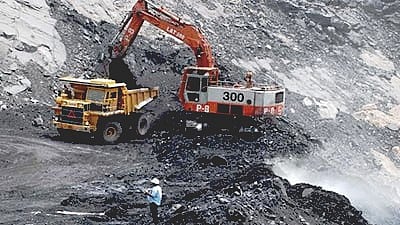
The mining sector reforms introduced by the Centre have turned out to be "instrumental" in augmenting the production of key minerals in the country, Union Minister of Coal and Mines G. Kishan Reddy told the Parliament on Monday.
Reforms Instrumental In Production
The production of iron ore has doubled from 129 million tonnes in 2014-15 to 258 million tonnes in 2022-23 while the production of limestone has jumped by 37.6 per cent from 295 million tonnes in 2014-15 to 406 million tonnes in 2022-23, the minister told the Rajya Sabha in a written reply.
The gross value added (GVA) of the mining sector now accounts for 2 per cent of the country's GDP and the contribution of the mining & quarrying sector in value terms has increased from Rs 2,90,411 crore in 2014-15 to Rs 3,18,302 crores in 2022-23, he added.
ALSO READ
The minister also stated that as a result of the reforms implemented by the Central government, a total of 385 mineral blocks have been auctioned in the country since the introduction of the auction regime in 2015. Out of these, 50 mines are already in production.
The Ministry of Mines has taken various steps to increase the share of domestic mining in total mineral consumption by increasing mineral production and to make 'Aatmanirbhar Bharat in the mining sector'.
ALSO READ
Removing Restrictions in Mining
The Mines and Minerals (Development and Regulation) Act, 1957 (MMDR Act, 1957) was amended with effect from March 28, 2021, with the objective of inter-alia increasing mineral production and time-bound operationalisation of mines, increasing employment and investment in the mining sector; increasing the pace of exploration and auction of mineral resources, the minister added.
Some of the key amendments include removing end-use restrictions for the auction of mines, allowing captive mines to sell up to 50 per cent of minerals produced during the year after meeting the requirement of linked plant and removing restrictions on the transfer of mineral concessions.
The MMDR Act, 1957 was further amended through the MMDR Amendment Act, 2023 with effect from August 17, 2023, with the objective of increasing exploration and production of critical and deep-seated minerals which are essential for the advancement of many sectors, including high-tech electronics, telecommunications, transport and defence, Reddy added.
RECENT STORIES
-
-
-
-
-