India’s Investing Boom Is Creating Two Very Different Investors: PPFAS’ Rajeev Thakkar
The conversation explored how social media and constant market commentary are changing investor psychology. Rajeev Thakkar, CIO and Director of PPFAS Asset Management, noted that investing today is being analysed in the way cricket and politics once dominated public debate. Everywhere people go, the first question is about the market, and which stock or theme could outperform.

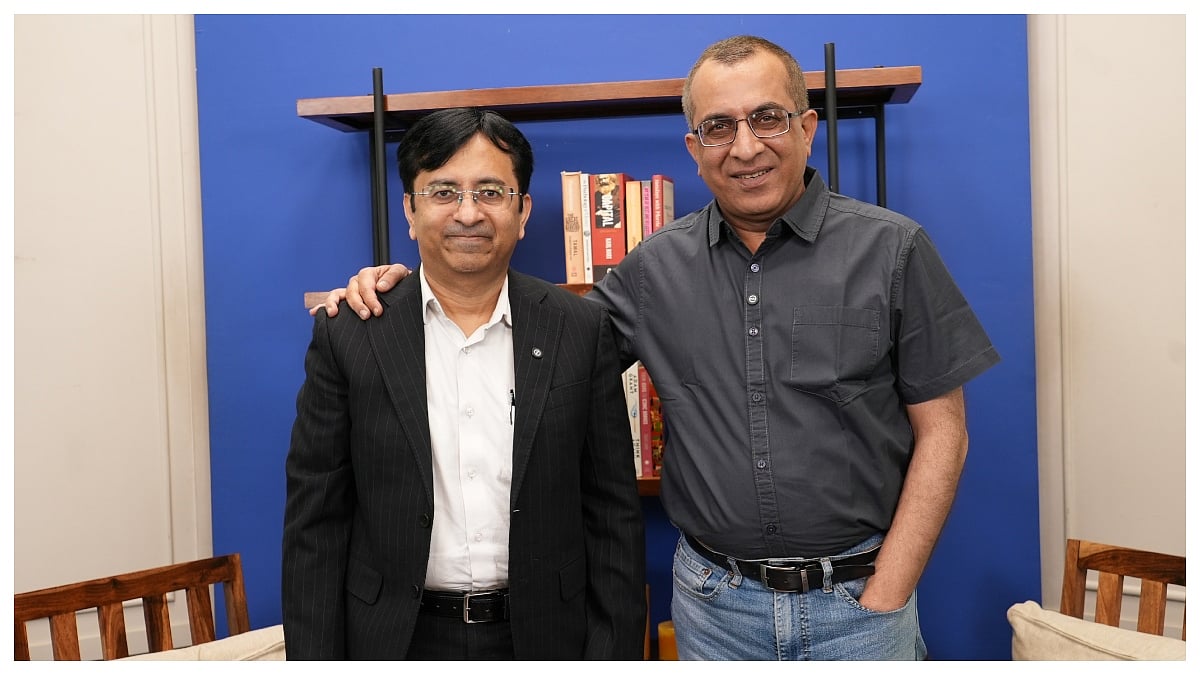
Rajeev Thakkar, CIO and Director of PPFAS Asset Management, noted that investing today is being analysed in the way cricket and politics once dominated public debate. |
Mumbai: India’s stock market participation has exploded over the last few years. SIPs are at record highs, finance creators dominate social media feeds, and market discussions have become part of everyday conversations across cities and small towns alike. But according to Rajeev Thakkar, CIO and Director of PPFAS Asset Management, the real story is not just about rising participation. It is about the kind of behaviour this investing boom is creating.
In a recent episode of Simple Hai!, host Vivek Law spoke with Thakkar about how India’s investing culture is evolving, why emotional discipline matters more than intelligence in markets, and why many investors still misunderstand wealth creation despite decades of market growth. At the centre of the conversation was a sharp contrast between two groups of investors emerging in India today. On one side are disciplined long-term investors steadily building wealth through systematic investing. On the other are speculators increasingly treating markets like a form of betting.
“There are two types of people in the market today,” Thakkar explained. “One group invests regularly through SIPs and participates in India’s economic growth. The second group is looking at markets as an alternative to cricket betting through futures and options.” According to him, both trends are growing simultaneously.
Social Media Has Changed How People Think About Markets
The conversation also explored how social media and constant market commentary are changing investor psychology. Thakkar noted that investing today is being analysed in the way cricket and politics once dominated public debate. Everywhere people go, the first question is about the market, what will happen next, and which stock or theme could outperform. He believes this environment has intensified short-term thinking.
“The law of the farm still applies to investing,” he said, referencing lessons from late investor Parag Parikh. “If you sow a seed, you need to water it, give it sunlight and time. You cannot expect fruits overnight.” That principle, according to Thakkar, applies equally to careers and investing. While technology and industries may evolve rapidly, wealth creation still requires patience, discipline and realistic expectations.
ALSO READ
Investors Obsess Over Returns, Not Behaviour
One of the strongest themes in the discussion was the growing obsession with returns rather than savings behaviour itself. Thakkar argued that investors spend too much time chasing higher percentages without focusing on the factors they can actually control.
Using the compound interest formula taught in schools, he broke wealth creation into three variables: the principal invested, the rate of return and the duration of investing. According to him, most investors obsess over returns while ignoring the far more controllable variables of saving more and staying invested longer. “In social media and parties, all discussion is about returns,” he said. “But what investors really control is how much they save and how long they stay invested.”
He also warned against unrealistic return expectations, particularly in an era where many retail investors are chasing aggressive gains through risky products. Thakkar cited legendary investor Charlie Munger’s idea that happiness equals reality minus expectations. In investing, he argued, high expectations often push people toward speculation, leverage and unregistered products that ultimately damage wealth creation.
Why Foreign Investors Are Looking Beyond India
The discussion also turned toward market valuations, foreign investor behaviour and the changing nature of global investing opportunities. Thakkar said that while India remains structurally attractive, valuations had become stretched over the last few years, leading to lower returns and foreign capital reallocating toward cheaper markets such as China, Taiwan and South Korea. “The biggest factor is valuation,” he said while discussing FII selling. “Not taxes or AI. Valuation gaps matter the most.”
At the same time, he defended the importance of global diversification. Thakkar explained that Indian investors often underestimate how much of the world’s innovation still comes from outside India. From smartphones and operating systems to AI companies, EV batteries and pharmaceutical breakthroughs, many dominant global businesses remain unavailable in Indian markets. That, he argued, is why portfolios should include both Indian and international exposure rather than treating investing as an either-or choice.
He also pushed back against the popular belief that only small-cap stocks create wealth. According to Thakkar, returns come from buying the right business at the right valuation, regardless of whether it is large cap, mid cap or small cap.
The Real Edge In Investing Is Emotional Discipline
The conversation eventually moved beyond markets into personal philosophy, where Thakkar spoke about emotional balance, frugality and learning. Reflecting on lessons from mentor Parag Parikh, he highlighted the importance of behavioural finance and emotional control during both market euphoria and panic. He also credited his parents and India’s older middle-class culture for teaching him frugality, resilience and the ability to remain calm during difficult periods.
ALSO READ
When asked why people remain obsessed with the cash levels in his funds, Thakkar joked that social media algorithms reward controversy and engagement. But beneath the humour was a broader point about modern investing culture. Constant information flow, doom scrolling and hyperactive commentary may be increasing participation, but they are also amplifying anxiety and emotional decision-making.
For Thakkar, the solution remains surprisingly simple: keep learning, stay patient, avoid emotional extremes and focus on long-term wealth creation rather than short-term excitement. As India’s investing ecosystem matures, the conversation suggests that future success may depend less on predicting markets and more on mastering behaviour.
RECENT STORIES
-
-
-
-
-