Indian government tightens grip over Twitter, Facebook with new IT rules, details inside
The amended rules call for a panel which will be able to intervene in case a user appeals against suspension of social media accounts.

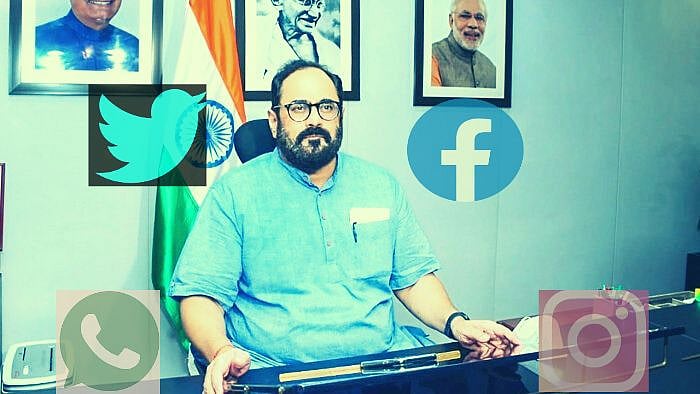
The government will require intermediaries to act on complaints and appeals by users on content. | PTI
A raid by Delhi police on Twitter India’s office last year brought the turbulence in the government’s relationship with social media firms out in the open. Month’s before that, Facebook India’s head of policy Ankhi Das stepped down amid allegations of going soft on hate speech by BJP supporters. Now the state has increased its role in content moderation on social media with the IT (Intermediary Guidelines and Digital Media Ethics Codes) Rules 2021.
Facing resistance from platforms?
The minister of state for IT Rajeev Chandrasekhar has said that amendments to IT rules that have come into effect, are aimed at curbing misinformation. He added that intermediaries will be required to make sure that unlawful content isn’t posted online. The government had been working on the new changes to IT rules for five months, and also faced opposition from WhatsApp.
How does it affect hate speech?
The messaging app had an issue with the provision of India’s IT rules which require social media platforms to trace the first originator of content if authorities demand. WhatsApp had argued that it can’t tweak end-to-end encryption for protecting user privacy.
Updated rules also call for the creation of appellate panels for social media grievances by the central government, to intervene when a user’s account is removed. This gives the state power to restore suspended Instagram or Facebook accounts, within 30 days.
Impact on constitutional rights
The government appointed panels will also have the authority to make firms remove content on complaints by users. Indian laws have already made Twitter and Facebook appoint local grievance officials.
Social media companies will also have to acknowledge complaints received in 24 hours and will have to take action within 72 hours to 15 days, to prevent harmful content from going viral.
Months before implementation of these rules focusing on an appellate panel, the government had mentioned that some intermediaries or firms were violating the constitutional rights of Indian citizens.
RECENT STORIES
-
-
-
-
-