India-US Sign Pact To Strengthen Supply Chain Of Critical Minerals, Rare Earths
India and the United States signed an agreement to strengthen cooperation in critical minerals and rare earth materials during the Quad Foreign Ministers’ meeting on Tuesday. The agreement aims to reduce dependence on China and secure supply chains for industries such as electric vehicles, semiconductors, defence, and clean energy

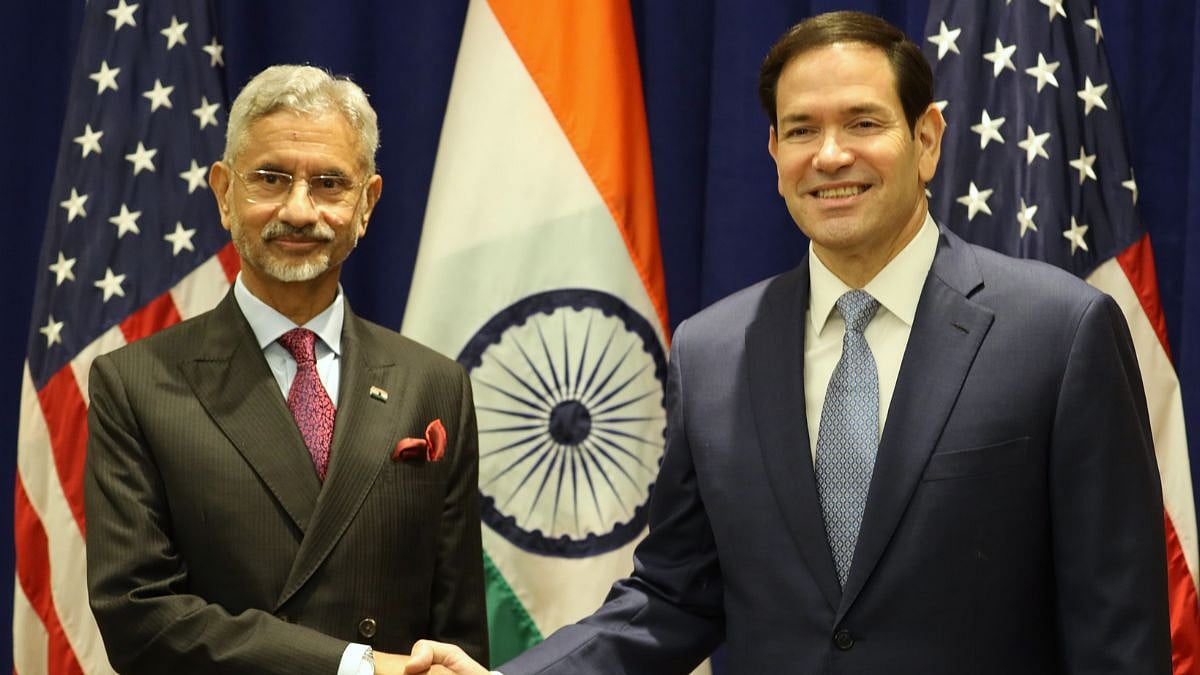
India and the United States have signed an agreement to strengthen cooperation in critical minerals and rare earth materials during the Quad Foreign Ministers’ meeting on Tuesday.
The agreement comes as countries around the world compete to secure supply chains of these materials for industries such as electric vehicles, semiconductors, defence, and clean energy.
“We are today signing a bilateral India-US framework on securing supplies of mining and processing of critical minerals and rare earths. This is something we have also discussed today at the Quad meeting and whether we are doing it bilaterally, or in the Quad format, or as a larger gathering of like-minded nations, it is something very timely and critical,” said External Affairs Minister S Jaishankar.
The agreement aims to reduce dependence on China, which currently dominates the global supply of rare earth processing and several critical minerals used in advanced technologies.
Under the partnership, both countries will work together on exploration, mining, processing, refining, and supply chain development for important minerals such as lithium, cobalt, nickel, graphite, and rare earth elements.
The agreement is expected to help India secure access to raw materials needed for manufacturing batteries, electric vehicles, renewable energy equipment, electronics, and defence systems.
The US is also looking to diversify its supply chains away from China and increase partnerships with trusted countries like India.
India has been trying to strengthen domestic production and overseas sourcing of critical minerals because demand is expected to rise sharply in the coming years due to the global shift towards clean energy and electric mobility.
The government has already identified several critical minerals that are important for India’s long-term industrial and energy security goals.
The agreement may also help Indian companies gain access to advanced processing technologies and global supply networks.
Rare earth elements are essential for manufacturing products such as electric vehicle batteries, wind turbines, mobile phones, semiconductors, missiles, and defence equipment.
RECENT STORIES
-
-
-
-
-