India Power Shortage: States Seek Additional Electricity As Hydropower Output Falls, 41 GW Capacity Offline
Several Indian states have sought additional electricity allocations from the Centre as weak hydropower generation and plant maintenance tighten nighttime supply. Power shortages reached 560 million kWh in September, the highest since August 2023, while nearly 41 GW of generation capacity remains offline and coal inventories face pressure

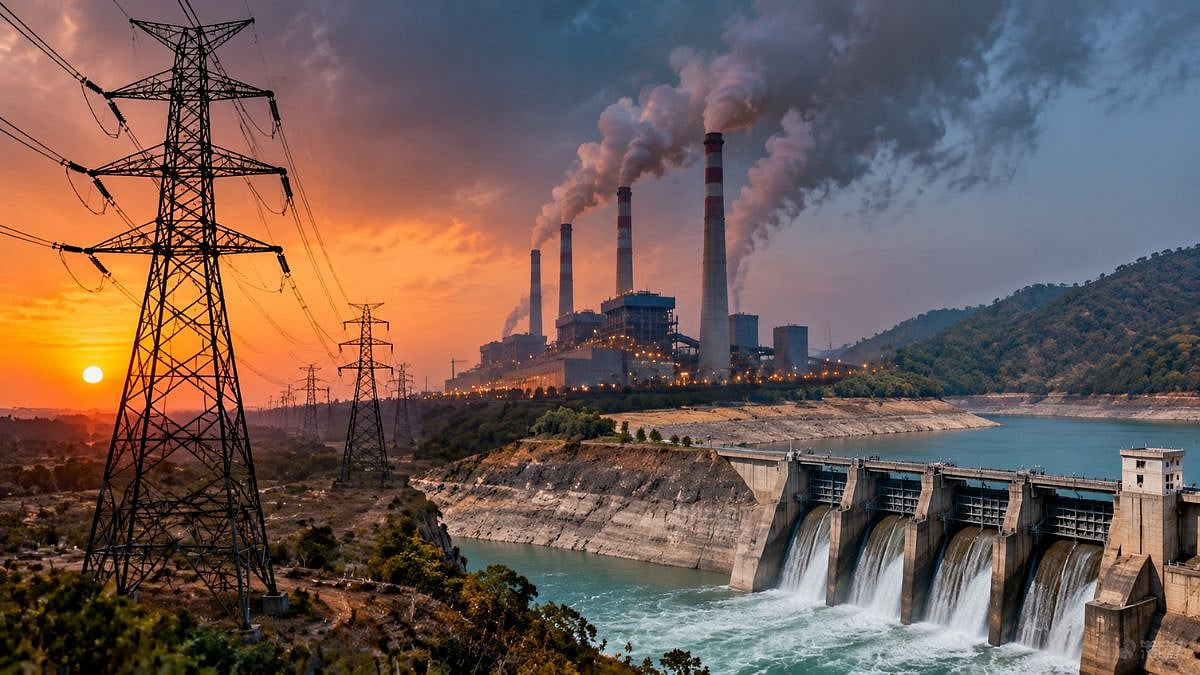
AI Generated Representational Image
Several Indian states have sought additional electricity allocations from the Centre as declining hydropower generation and maintenance shutdowns at power plants tighten supplies, particularly during nighttime hours, according to government officials.
Rajasthan, Gujarat, Maharashtra, Tamil Nadu, Andhra Pradesh, West Bengal, Uttar Pradesh, Chhattisgarh and Delhi are among those seeking additional electricity, Reuters reported.
The Centre typically has access to around 14 GW to 15 GW of electricity from coal and hydropower plants that can be allocated to states facing shortages.
However, lower hydropower output following an El Niño-related decline in rainfall has reduced the electricity available for redistribution.
Punjab has already received additional supplies after parts of the state faced outages lasting up to 14 hours a day in September.
ALSO READ
Power shortage hits highest since August 2023
India's electricity shortages reached 560 million kilowatt-hours (kWh) in September, the highest level since August 2023, despite coal-fired plants increasing generation to meet demand.
Coal-based electricity generation increased 13.3% year-on-year during September, while hydropower output fell 20%, according to government data.
Nearly 41 GW of generation capacity is currently offline, according to Grid India data. Around 47% of coal-fired plants also had critical fuel stocks, equivalent to less than a quarter of the mandated coal supplies.
With much of the Centre's available electricity already allocated, meeting additional requests could require supplies to be withdrawn from other states, according to an official cited in the report.
Battery storage becomes critical for renewables
The supply crunch highlights India's challenge in meeting electricity demand after sunset despite the rapid expansion of renewable-energy capacity.
Insufficient battery storage means surplus solar power generated during daylight hours cannot always be stored and supplied during evening and nighttime demand peaks.
The Power Ministry has consequently been pushing renewable-energy producers to accelerate the integration of battery energy storage systems.
Greater storage capacity could help capture solar electricity that might otherwise go unused during the day and make it available when renewable generation declines after sunset, helping improve grid reliability as India's renewable-energy capacity expands.
RECENT STORIES
-
-
-
-
-