India May Roll Out ₹10, ₹20 Polymer Notes From Next Financial Year
The Reserve Bank of India is targeting the introduction of polymer banknotes in ₹10 and ₹20 denominations from the beginning of the next financial year, subject to successful field trials. RBI Governor Sanjay Malhotra said polymer notes offer higher durability and are better suited for frequently circulated lower-value currency

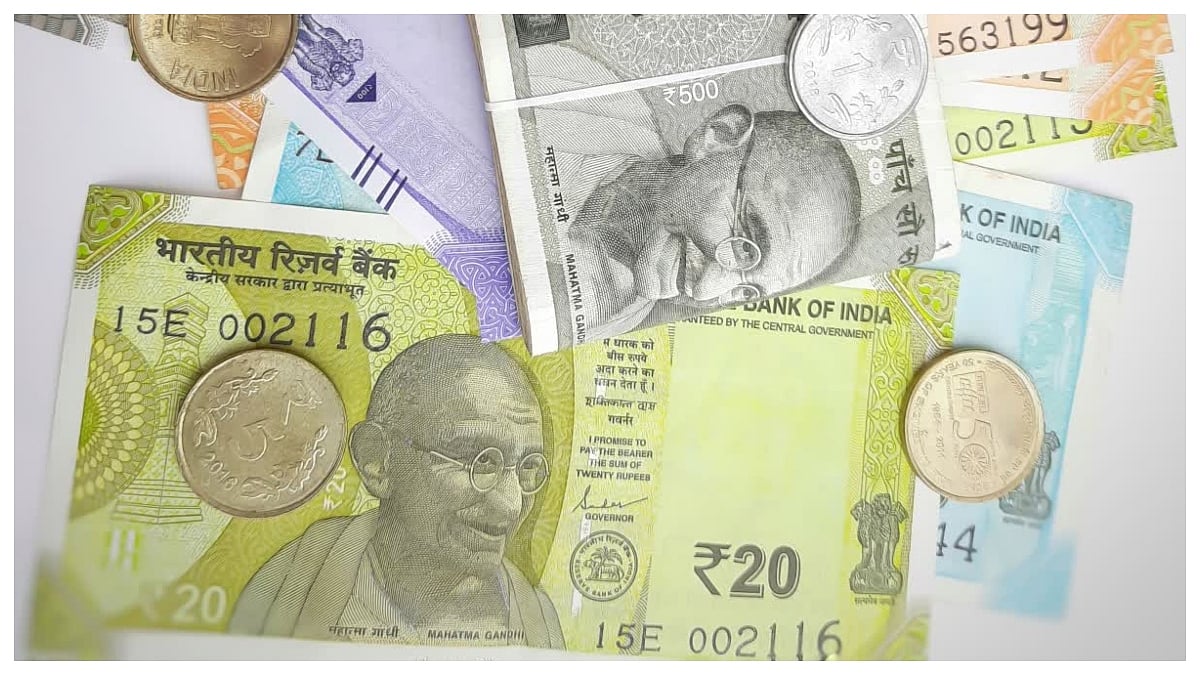
India could see the introduction of plastic-based polymer currency notes from the beginning of the next financial year if ongoing field trials are completed successfully, Reserve Bank of India Governor Sanjay Malhotra said on Wednesday.
Speaking after the Monetary Policy Committee (MPC) meeting, Malhotra said the RBI is aiming to bring polymer banknotes into circulation as per schedule after evaluating their performance during trials.
The central bank has proposed introducing polymer notes in ₹10 and ₹20 denominations, following approval from the government.
The move revives an earlier proposal that was first discussed more than a decade ago but did not move ahead.
The RBI believes polymer notes can improve currency durability, especially for lower denominations that experience frequent usage in daily transactions.
Explaining the need for the change, Malhotra said ₹10 and ₹20 notes have a higher circulation velocity compared with larger denominations, causing them to wear out faster.
ALSO READ
Polymer notes, made from a durable plastic substrate, are expected to last significantly longer than conventional paper-based currency.
Last month, the government approved the RBI’s proposal to introduce one billion polymer notes each in ₹10 and ₹20 denominations for field testing. If the trials produce satisfactory results, the central bank may proceed with regular issuance.
The initiative gained momentum after Bharatiya Reserve Bank Note Mudran Private Limited (BRBNMPL), an RBI subsidiary responsible for currency printing, issued a tender for polymer substrates required for manufacturing the trial notes.
The RBI has clarified that the proposal does not involve replacing all existing paper currency with polymer notes. Existing cotton-based paper notes will continue to remain in circulation, and polymer currency will initially be introduced only in selected denominations.
The RBI believes the technology is particularly suitable for low-value denominations such as ₹10 and ₹20, which are frequently used by consumers and require more frequent replacement under the existing currency system.
RECENT STORIES
-
-
-
-
-