India Approves 1,800-Km LPG Pipeline Expansion Worth ₹7,000 Crore To Cut Road Transport Dependence
India’s oil and gas regulator PNGRB has approved three LPG pipeline projects spanning nearly 1,800 km with an estimated investment of Rs 7,000 crore. The projects will expand the common-carrier LPG pipeline network by around 24%, improve supply reliability, reduce road transportation and lower logistics costs and emissions

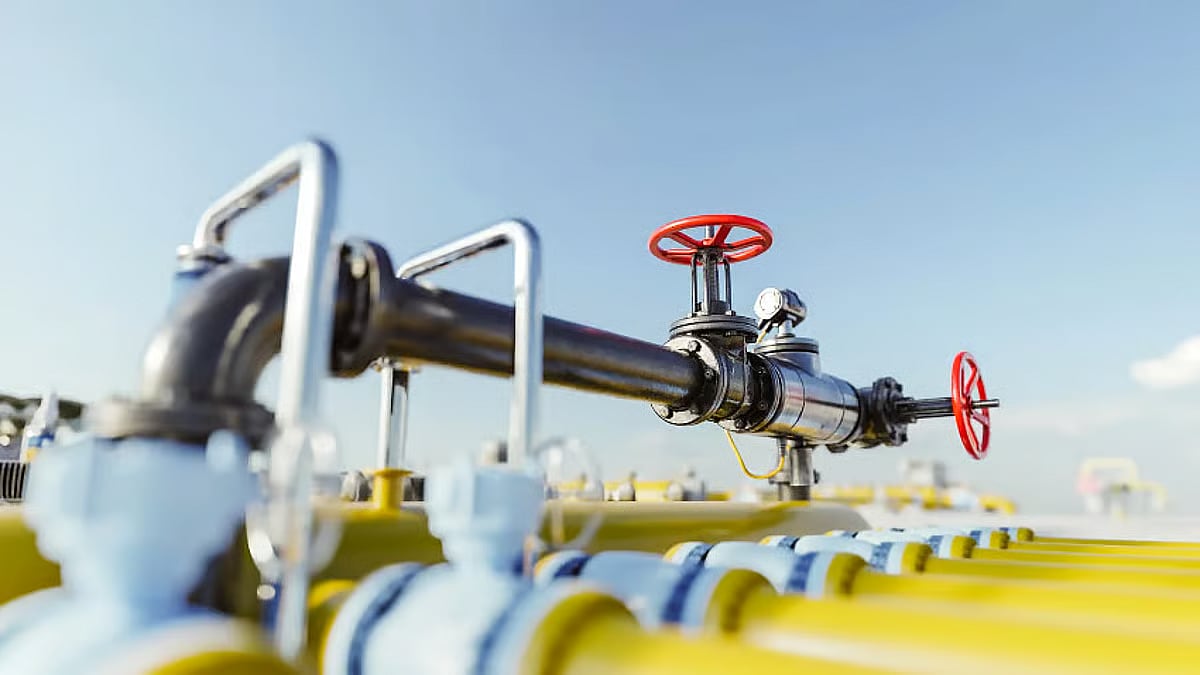
India is set to significantly expand its LPG transportation infrastructure after the Petroleum and Natural Gas Regulatory Board (PNGRB) approved three pipeline projects covering nearly 1,800 km at an estimated investment of Rs 7,000 crore.
The projects, to be developed by state-run GAIL (India), will extend the country’s authorised common-carrier LPG pipeline network from around 7,700 km to nearly 9,500 km, representing an increase of about 23.5%.
Three major LPG pipeline projects approved
The approved projects will connect important regions across the country. They include a 556-km pipeline linking Cherlapally in Telangana with Nagpur in Maharashtra, a 611-km route between Jhansi in Uttar Pradesh and Sitarganj in Uttarakhand, and a 633-km pipeline connecting Shikrapur in Maharashtra with Goa and Hubli in Karnataka.
The expansion will supplement existing infrastructure, including the 2,757-km Kandla-Gorakhpur LPG pipeline, currently India’s longest LPG pipeline.
Focus on safer and efficient LPG transportation
India imports a significant portion of its LPG, with shipments arriving mainly at coastal terminals before being transported to inland consumption centres.
The expanded pipeline network is expected to make this movement more efficient and reduce the country’s dependence on LPG tankers.
PNGRB has been encouraging a shift from road-based transportation to pipelines, citing benefits such as lower logistics expenses, reduced congestion, improved road safety and fewer carbon emissions.
The move also has strategic significance because a wider pipeline network can strengthen LPG supply during disruptions or periods of high demand. LPG stored within pipelines, known as “line-pack”, can provide an additional operational buffer.
The projects are therefore expected to create stronger links between coastal import facilities and major consumption centres while improving the resilience of India’s LPG supply chain.
RECENT STORIES
-
-
-
-
-