Govt's Ethanol Blending Target At Risk As Weak Monsoon Hits Sugarcane, Corn Output
India's ethanol blending rate could fall to 15% from 20% as weak monsoon rainfall threatens sugarcane and corn supplies. Rising crop prices and food inflation are forcing greater emphasis on food security. The potential decline could increase oil import dependence and create financial pressure for ethanol producers nationwide

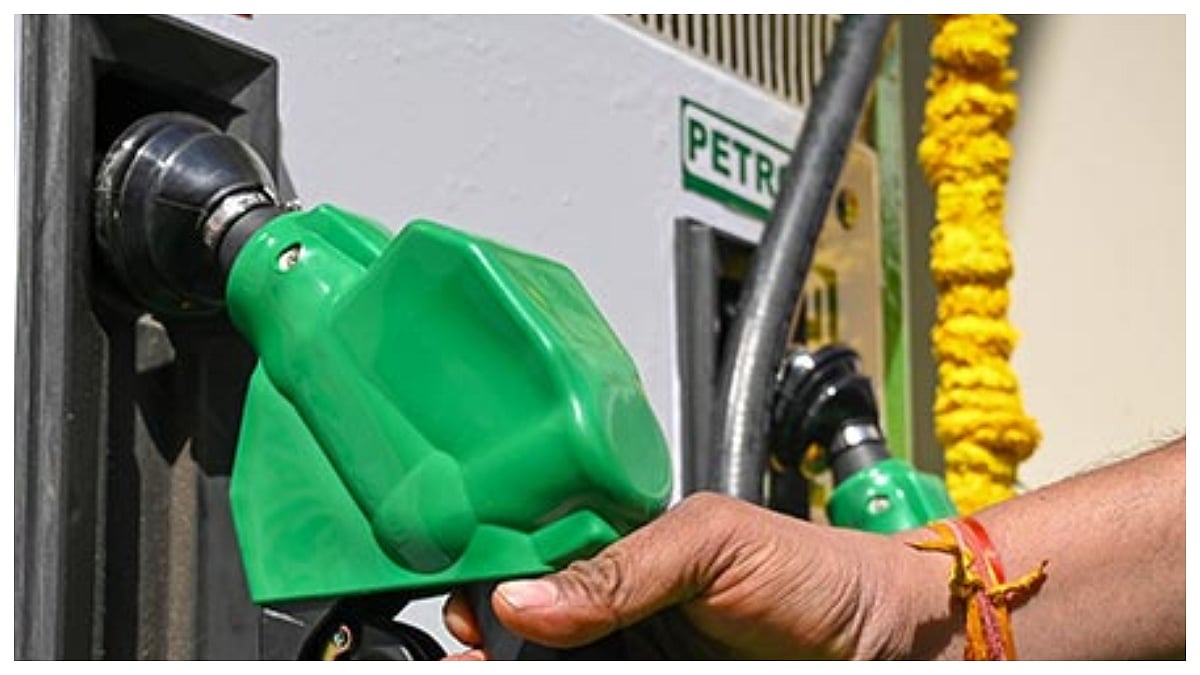
Representational Image
India's ethanol blending programme faces a setback as the weakest monsoon rainfall in more than a decade threatens sugarcane and corn supplies, raising concerns over food security and biofuel production.
As per a Reuters report, industry executives expect ethanol blending in petrol to fall below the government's 20% target during the supply year that began this month, reversing progress achieved five years ahead of schedule.
A prolonged decline could increase India's dependence on imported crude amid volatile global energy prices.
Government data shows the E20 programme has saved nearly ₹2 trillion ($21.1 billion) in oil imports since 2014, with annual savings estimated at ₹43,000 crore at 20% blending.
Severe El Niño conditions reduced monsoon rainfall by nearly 13% below normal levels.
Supply concerns pushed corn and sugar prices up approximately 40% to record highs, while rice prices increased 20%.
Retail food inflation climbed to 7.74% in September from 5.97% in August.
Experts expect ethanol blending to decline to around 15% as food requirements take precedence.
India could use surplus rice for ethanol production, but government subsidies would make this expensive because the grain is supplied to distilleries at roughly half its procurement and storage cost.
Distilleries have expanded annual production capacity to approximately 20 billion litres, supported by borrowing and expectations of sustained ethanol demand.
Lower blending requirements could leave substantial capacity unused and increase financial pressure on producers.
Four industry executives told Reuters they expect blending to range between 15% and 17%, depending largely on corn prices.
Rising food inflation also carries political implications ahead of assembly elections in several states, including Uttar Pradesh, in early 2027.
Prime Minister Narendra Modi's Bharatiya Janata Party lost ground to opposition parties in Uttar Pradesh during the 2024 general election.
Meanwhile, concerns over fuel efficiency and engine wear have generated criticism of E20 petrol among motorists and some automobile manufacturers.
The government has clarified that it does not intend to increase ethanol blending beyond 20%.
RECENT STORIES
-
-
-
-
-