Govt Urges Electronics Manufacturers To Enter Induction Cooktop Segment, Scale Production Amid LPG Crisis
In a bid to ease pressure on LPG cylinder demand in the country, the Centre has asked domestic electronics manufacturers to ramp up the production of industrial induction cooktops to be used by restaurants and hotels

While the United States and Iran have agreed on a two-week ceasefire and are engaged in peace talks, the Indian government has decided not to lower its guard against the energy crisis.
In a bid to ease pressure on LPG (liquefied petroleum gas) cylinder demand in the country, the Centre has asked domestic electronics manufacturers to ramp up the production of industrial induction cooktops to be used by restaurants and hotels, according to a report by The Economic Times.
The supply of natural gas has dried down from the Gulf region due to the war, posing a challenge for the government to meet the demand for the commodity widely used for cooking purposes.
ALSO READ
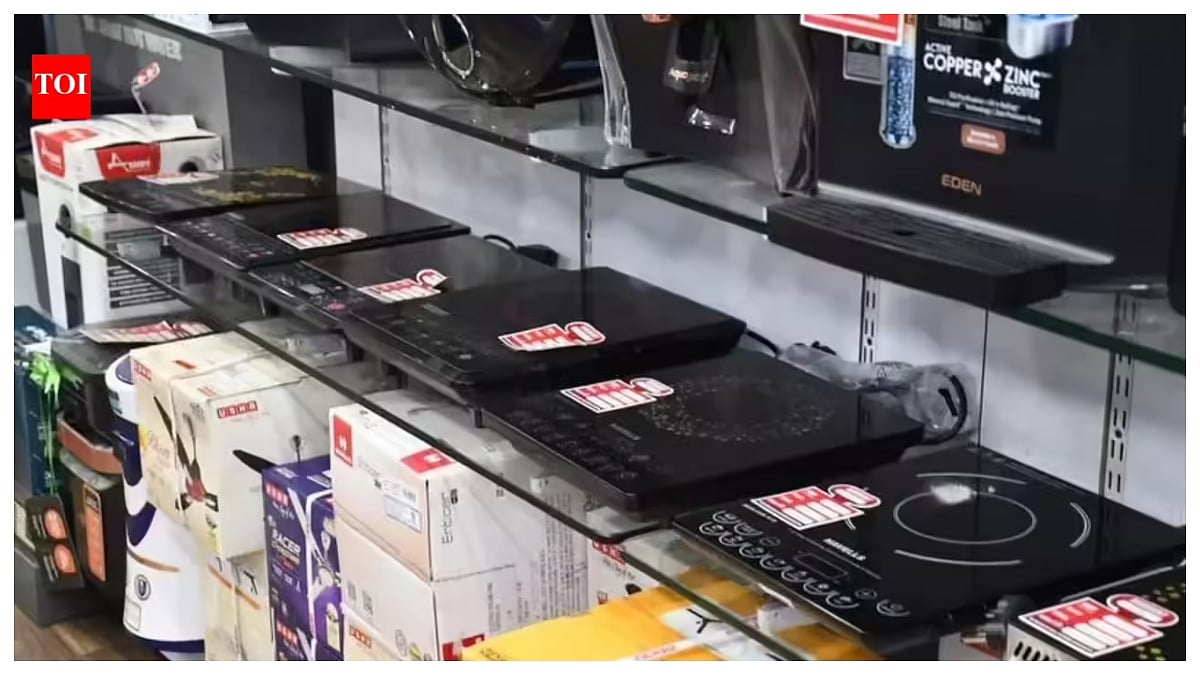
Since the supply shortage of LPG, the sale of induction stoves has surged. To ensure the demand for the appliance is met, the government has asked large electronics manufacturers to enter the segment.
In a video conference on Thursday, officials of the Department for Promotion of Industry and Internal Trade (DPIIT) also sought inputs from industry players about the achievable capacity of these appliances.
The department also asked stakeholders to flag challenges in sourcing components and increasing localisation.
While the government has earlier asked the industry to increase the production of domestic induction stoves, it is the first time that the focus has been on manufacturing for commercial use.
Representatives of companies like Havells India, Epack Durables, and TTK Prestige were present in the meeting. These companies also expressed their willingness to enter the segment.
They also assured that they would be able to increase production capacity quickly.
However, the issue of the supply of critical components, particularly crystalline glass, needs to be resolved to streamline the supply chain.
Industry participants said that the lead time for such components has increased from about 25–30 days to 40–45 days now.
They also sought some relaxation in BIS norms to fast-track the import of components for which the industry relies on China.
RECENT STORIES
-
-
-
-
-