Fuel, Gold, Edible Oils, Fertilisers: Why These Commodities Can Make Or Break India’s Energy Crisis Plan?
PM Modi’s appeal to cut fuel usage and stop gold purchases for a year was a rare instance of him urging citizens to take voluntary steps to face the energy crisis. Fuel, gold, edible oils, and fertilisers could be key factors in helping India manage difficult economic conditions for a longer period

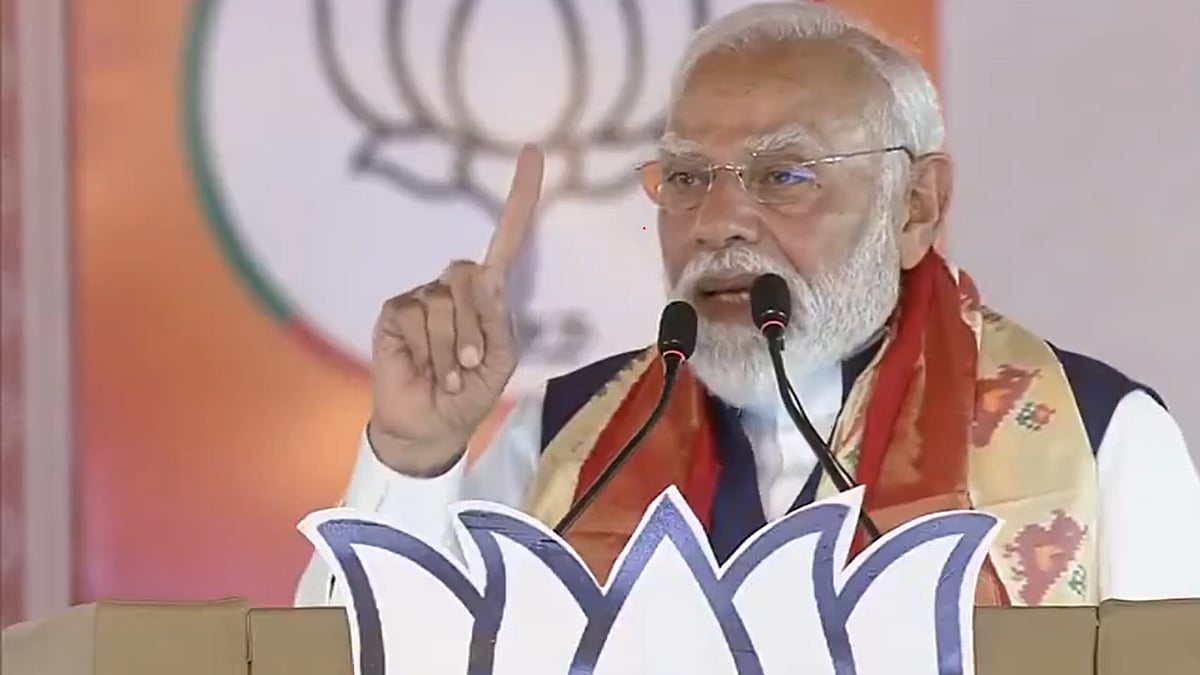
Prime Minister Narendra Modi’s appeal on Sunday to cut fuel usage and stop gold purchases for a year was a rare instance of him urging citizens to take voluntary steps to face the unprecedented energy crisis caused by the war in West Asia.
Until now, the government had claimed to have handled the crisis well by shielding citizens from fuel price hikes. Since the conclusion of Assembly elections in four states, speculation has increased that a steep rise in petrol and diesel prices may be on the cards.
Another Covid-like Crisis?
The last time the Prime Minister made such a call was in March 2020, when he announced a one-day Janata Curfew across the country to contain the spread of coronavirus. The curfew was followed by a nationwide lockdown for months as infections spread across the country.
The Prime Minister’s latest appeal has sparked concerns among investors and citizens about similar restrictions to contain the impact of the crisis.
However, considering the economic impact of the harsh measures taken during the pandemic, such steps appear to be a distant possibility this time.
The Prime Minister’s appeal indicates that the government may seek voluntary participation from citizens in facing the crisis instead of imposing restrictions that could backfire in the future.
Fiscal Math
According to the International Monetary Fund, India’s current account deficit (CAD) may widen to about $84.46 billion, or 2 percent of GDP, in FY27.
CAD is the net outflow of foreign currency. It includes the trade deficit, net foreign direct investment, remittances, and other financial flows.
Import dependence is one of the most significant contributors to CAD. A higher CAD also leads to a weaker domestic currency, and vice versa.
Higher imports create greater demand for dollars in the global market, leading to a stronger greenback and a weaker rupee.
In this context, PM Modi’s appeal appears to be a calculated move that could significantly contain the economic impact of the crisis without taking radical measures.
In his appeal, the Prime Minister focused on four commodities on which India is highly import-dependent: fuel, gold, fertilisers, and edible oils.
Effort To Contain Import Bill
India’s total import bill in FY26 stood at $775 billion. Out of this, crude oil, gold, fertilisers, and vegetable oils accounted for over $240 billion, or 30 percent of the total bill.
Fuel accounted for $134 billion, or 17.3 percent, of the import bill, while gold accounted for $72 billion, or 9.2 percent. The share of vegetable oils and fertilisers stood at $19.5 billion, or 2.5 percent, and $14.5 billion, or 1.8 percent, respectively.
PM Modi’s appeal was aimed at reducing imports of these four commodities, which would help the government control the CAD and support the rupee.
Gold In Focus
Among these four commodities, gold is arguably the most discretionary expense.
The use of fuel, vegetable oils, and fertilisers cannot be reduced significantly due to their crucial role in sustaining manufacturing and agricultural production.
In contrast, gold consumption is largely driven by retail buyers because of the sentimental value attached to the precious metal.
If India could reduce gold imports by about 30-40 percent, the government could save around $20-25 billion in CAD. This would amount to nearly 30 percent of the IMF’s CAD projection.
The savings could also give the government room to buy crude oil, which is currently at its highest level in the last four years.
Preparing For Future Resilience
However, the Prime Minister has asked companies to allow work-from-home wherever possible and reduce foreign travel to cut fuel consumption.
The shift to natural farming practices, as suggested by the Prime Minister, may reduce the consumption and import of fertilisers, which require natural gas in the manufacturing process.
PM Modi’s appeal to citizens is an effort by the government to prepare the country for a longer crisis while also building resilience for similar situations in the future.
RECENT STORIES
-
-
-
-
-