Delhi Cabinet Approves EV Policy 2026 With ₹7,000 Crore Outlay, Tax Exemptions, And 30,000 Charging Points
Delhi Cabinet has approved the EV Policy 2026 to boost electric vehicle adoption and curb pollution, the Chief Minister’s Office said. The policy, effective from July 2026 to March 2030, offers tax exemptions, purchase incentives and scrappage benefits, along with 30,000 charging points. It also introduces phased EV-only registration rules and targets fleet electrification programme.

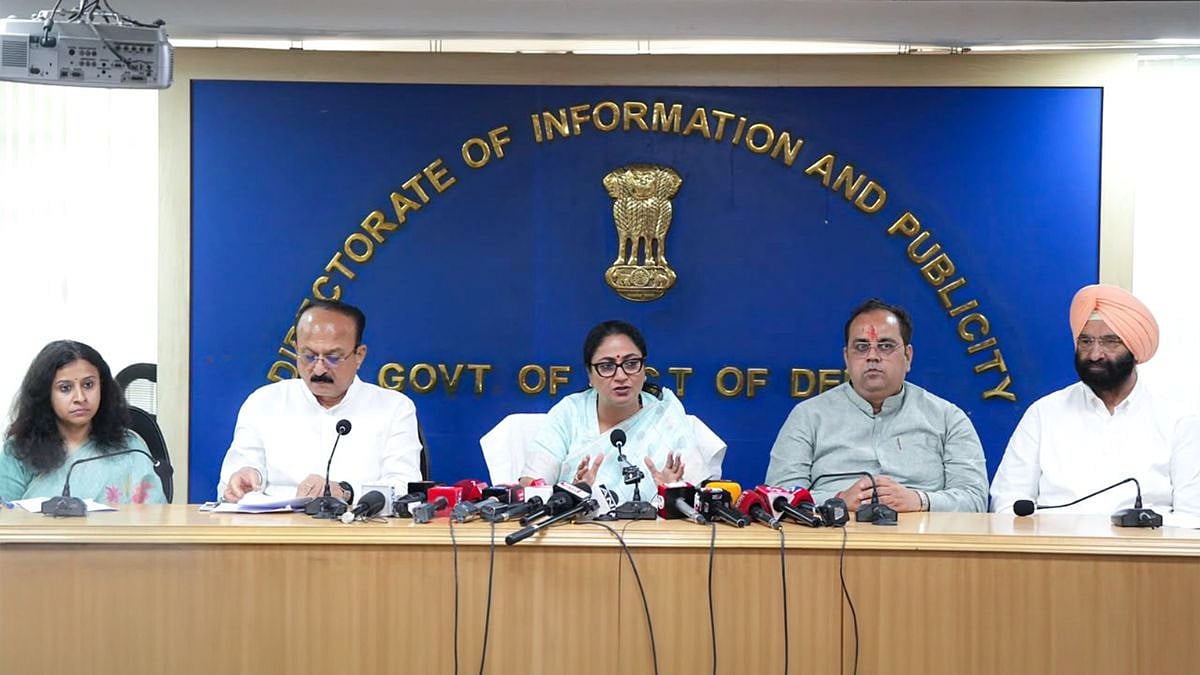
Delhi Cabinet Approves EV Policy 2026 With ₹7,000 Crore Outlay, Tax Exemptions, And 30,000 Charging Points | X
New Delhi: The Delhi Cabinet on Monday approved the Delhi EV Policy 2026, a major initiative aimed at accelerating the adoption of electric vehicles and reducing vehicular pollution in the national capital.
According to the Delhi Chief Minister's Office (CMO) statement, the policy will come into effect from July 1, 2026 and remain valid till March 31, 2030. It has been designed to promote zero-emission mobility through a mix of financial incentives, infrastructure expansion and phased transition mandates across vehicle categories.
The policy provides 100 per cent exemption on road tax and registration fees for electric vehicles, with the benefit applicable to four-wheelers priced up to Rs 30 lakh (ex-showroom). Purchase incentives include up to Rs 30,000 for electric two-wheelers, up to Rs 50,000 for electric three-wheelers and up to Rs 1 lakh for N1 goods vehicles. In addition, scrapping incentives ranging from Rs 5,000 to Rs 1 lakh will be offered for replacing older, polluting vehicles with electric models.
A key highlight of the policy is the large-scale expansion of EV charging infrastructure, with more than 30,000 charging points proposed across Delhi. The incentives will be directly transferred to beneficiaries through the Direct Benefit Transfer (DBT) system.
The policy also introduces phased registration restrictions, under which only electric three-wheelers and N1 goods carriers will be registered from January 1, 2027, while registration of only electric two-wheelers will begin from April 1, 2028.
"The Delhi EV Policy 2026 reflects the Government's commitment to cleaner air, greener mobility and a future-ready Delhi, making sustainable transportation more accessible for every citizen," it added.
It further outlines electrification targets for school buses, aiming for 10 per cent fleet conversion in two years, 20 per cent in three years and 30 per cent by March 31, 2030.
Separately, the Delhi government has approved a financial commitment of over Rs 7,000 crore over the next four years to implement the policy. This includes allocations for purchase incentives, scrapping benefits, charging infrastructure development and foregone revenue from tax exemptions, along with additional support for accelerating EV adoption across categories.
According to the Delhi government, the overall benefit of the policy, including incentives and infrastructure support, is expected to exceed Rs 15,000 crore.
Chief Minister Rekha Gupta said the policy has received support from the Centre and will now be sent to the Lieutenant Governor for final approval before rollout. She said the initiative aims to transform Delhi into a clean, pollution-free transport hub through coordinated efforts and extensive stakeholder consultations.
Gupta also highlighted that the policy prioritises scrappage incentives for BS-IV and older vehicles, alongside purchase subsidies, to accelerate the replacement of polluting vehicles. She further noted that the policy was finalised after multiple rounds of discussions and would benefit every vehicle buyer in Delhi once implemented.
The policy framework also includes provisions for scrapping incentives of up to Rs 1 lakh for four-wheelers, Rs 25,000 for three-wheelers, Rs 10,000 for two-wheelers and Rs 50,000 for N1 trucks.
It mandates electrification of commercial and institutional fleets in phases and aims to significantly expand EV infrastructure, reinforcing the government's goal of improving air quality and promoting sustainable mobility in the capital.
Highlighting the Centre's role, Rekha Gupta thanked Prime Minister Narendra Modi and the Union government for extending support to the initiative. She said pollution in Delhi is a challenge that requires coordinated action across the National Capital Region.
"No state in the country has provided this level of support for EV adoption. Delhi EV Policy 2026 will be a transformative and revolutionary policy that will make Delhi eco-sustainable, affordable and future-ready," she said.
(Except for the headline, this article has not been edited by FPJ's editorial team and auto-generated from an agency feed.)
RECENT STORIES
-
-
-
-
-