NGT Flags Radiation Risks In MP’s E-Waste Crisis; Bhopal Scientifically Processes Just 10%
The NGT has raised serious concerns over Madhya Pradesh’s growing e-waste problem, particularly potentially hazardous medical equipment and radiation risks. Bhopal generates around 415 tonnes annually, but only 10% is scientifically processed. The tribunal constituted a five-member committee and sought an action-taken report within four weeks.

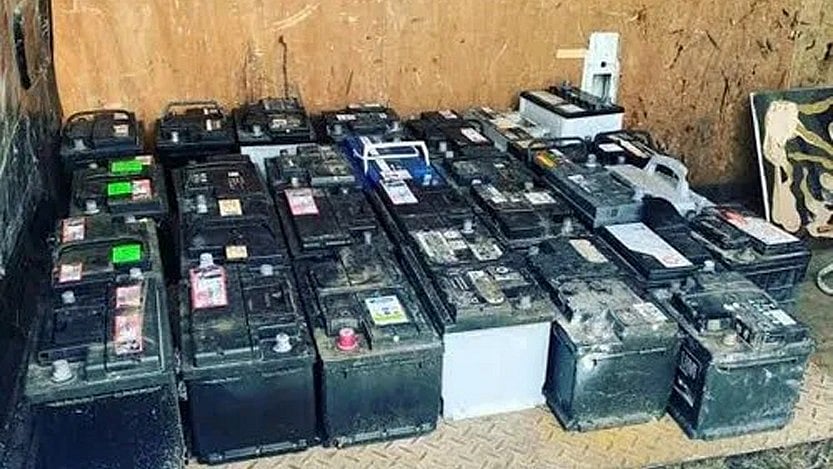
NGT Flags Radiation Risks In MP’s E-Waste Crisis; Bhopal Scientifically Processes Just 10% | FP photo
Bhopal (Madhya Pradesh): The National Green Tribunal (NGT), Central Zone Bench, on Monday called for the e-waste crisis in Madhya Pradesh to be taken seriously in the context of “nuclear and radiological emergency” preparedness, raising concerns over radioactive medical equipment, health risks and gaps in the system for handling and transporting hazardous waste.
The matter came before the tribunal in an original application filed by Nitin Saxena, during a hearing on August 31.
The application highlighted the alleged improper disposal and processing of e-waste in Bhopal and other parts of the state.
According to figures cited in the NGT order, the state generates around 5,000 metric tonnes of e-waste annually, compared with approximately 500 tonnes in 2019. The state is among the country's major e-waste generators.
Bhopal alone generates around 415 tonnes of e-waste every year. However, only about 10 per cent is scientifically disposed of, with the remaining 90 per cent reportedly handled through unauthorised scrap units.
The order referred to around 250 unauthorised scrap units operating in violation of environmental norms.
Indore generates 800 tonnes of e-waste annually
Bhopal at 415 tonnes
Gwalior at 400 tonnes
Ujjain at 315 tonnes
NGT raises “Nuclear Emergency” concerns
The tribunal examined the risks posed by e-waste containing potentially hazardous medical equipment, including X-ray machines, CT scanners and PET scanners.
Referring to radiation-related health risks, the NGT noted that radiation can act as a mutagen, damaging cells and DNA and potentially leading to cancer.
It also referred to the possibility of radioactive material being present in discarded equipment and stressed that such items should not be dumped in civilian areas.
The tribunal observed that such equipment may need to be returned to producers so that radioactive material can be removed and disposed of according to prescribed rules.
No clear authority for hazardous waste transport
The NGT also examined the country's framework for dealing with nuclear and radiological emergencies, involving national, state, district and local authorities.
However, it raised concern over the lack of clarity regarding an authority responsible for transporting such hazardous material from its source to its destination.
It also noted that it was not clear whether District Disaster Management Authorities had been constituted or what preparedness measures were in place.
Four-week deadline for action report
The tribunal issued notices to the Madhya Pradesh government, MP Pollution Control Board, Bhopal Municipal Corporation (BMC) and concerned departments.
A five-member committee comprising representatives of the MoEF&CC, CPCB, Health Department, Electrical and Electronics Department and State Pollution Control Board has been directed to submit a factual and action-taken report within four weeks.
The State Pollution Control Board will act as the nodal agency. The matter will next be heard on October 1.
RECENT STORIES
-
-
-
-
-