BMC To Rework Sealing Action As Bhopal Master Plan Draft Opens One-Year Regularisation Window
BMC will rework its sealing strategy after the draft Bhopal Development Plan 2047 proposed a one-year window for eligible non-residential activities in residential areas to seek regularisation. Eligibility will depend on existing use, road width, parking and other planning conditions, while unauthorised construction and several categories remain excluded.

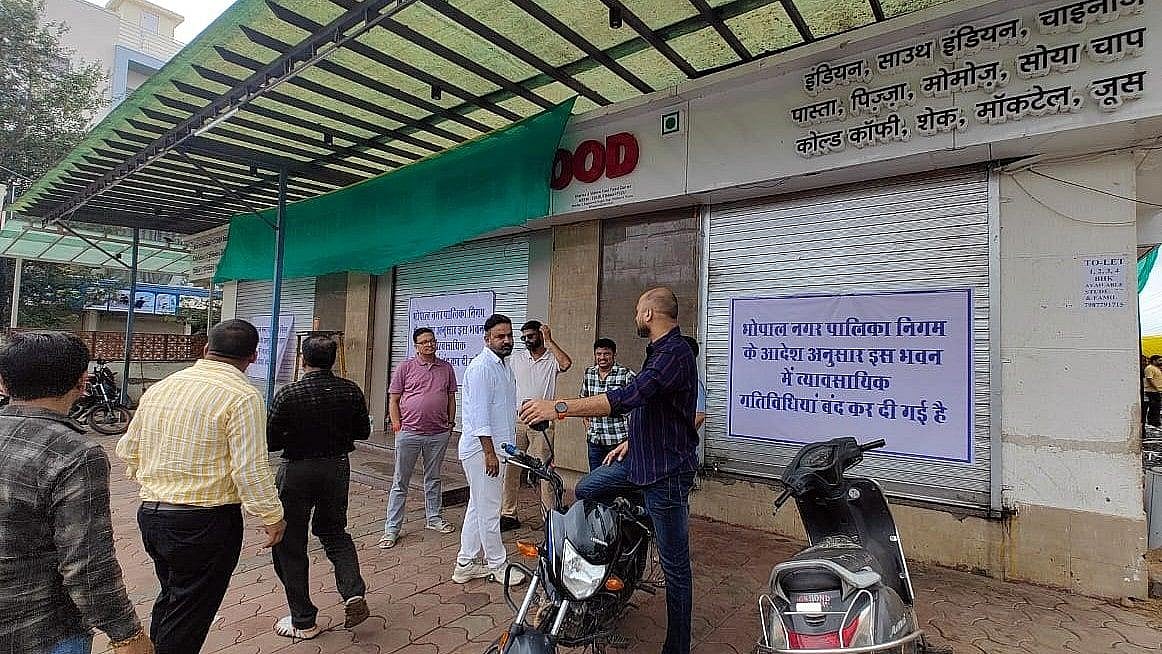
BMC To Rework Sealing Action As Bhopal Master Plan Draft Opens One-Year Regularisation Window | Representative image
Bhopal (Madhya Pradesh): The Bhopal Municipal Corporation (BMC) is set to rework its approach towards sealing non-residential establishments operating in residential areas, taking into account the provisions proposed in the draft Bhopal Development Plan 2047 and directions issued by the Supreme Court.
The draft provides a limited framework for regularising eligible existing non-residential activities, subject to payment of prescribed fees and compliance with planning, parking and infrastructure requirements.
It also gives eligible property owners a one-year window to complete the regularisation process after notification of the final development plan.
Draft sets conditions for regularisation
The draft, published in the Madhya Pradesh Gazette and released on September 26, proposes regulations for existing non-residential activities in developed residential areas.
However, it clarifies that the provisions will not automatically regularise unauthorised construction or change of land use.
Regularisation may be considered only for eligible premises where non-residential use existed before publication of the draft, property tax was being paid at non-residential rates and electricity connections were obtained for non-residential purposes.
The provisions exclude newly developed residential areas, unauthorised colonies, buildings constructed without permission, premises where front open spaces or parking have been encroached upon, green areas, water bodies, forest areas, proposed road alignments and certain industrial activities.
Road width to determine activities
The draft links the type of non-residential activity that can operate in a residential area to the width of the road. Roads below 12 metres would largely permit residential and professional activities on one floor.
But as road width increases, commercial activities such as banks, medical stores, restaurants, and showrooms become permissible.
Non-residential use would generally be restricted to 50% of the maximum permissible FAR, with limited exceptions for low-intensity professional activities.
Fees & 1-year window
Eligible owners would have to pay an occupancy-change fee equivalent to 20% of the difference between commercial and residential collector guideline rates, along with applicable infrastructure, parking compensation and statutory charges.
The provisions would apply only to buildings existing up to publication of the draft and would not permit future unauthorised commercial use.
Official Statement
BMC Deputy Commissioner Bhuvan Gupta said the corporation will prepare a fresh action plan based on the provisions of the new draft Master Plan while ensuring compliance with the Supreme Court's orders.
ALSO READ
RECENT STORIES
-
-
-
-
-