Sonia’s Belonging: A Candid Account That Leaves Many Questions Unanswered
Sonia Gandhi’s autobiography, Belonging, offers intimate accounts of her relationship with Indira Gandhi, family tensions, personal losses and encounters with world leaders. However, it provides few fresh insights into the Gandhi family’s political crises or Sonia’s transformation into a leading Congress strategist, and offers little indication of the family’s political vision for the future.

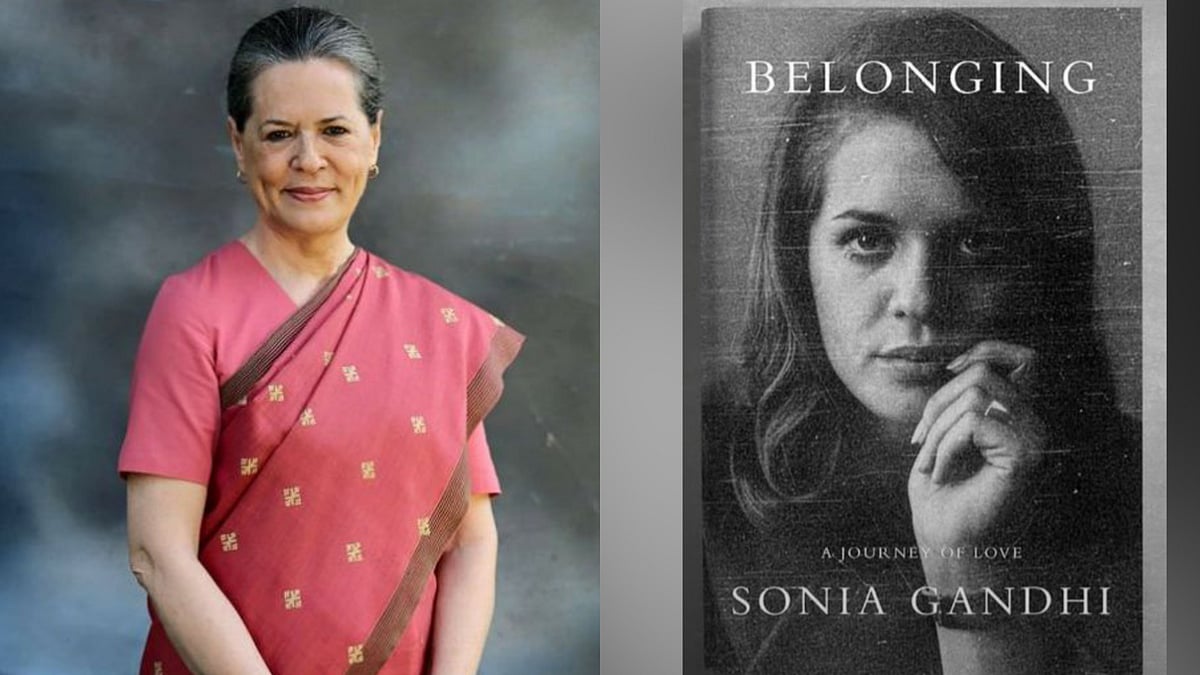
Sonia Gandhi's memoir offers intimate glimpses into the Gandhi household but remains guarded about the political journey that transformed her into a Congress leader | File image
Congress matriarch Sonia Gandhi’s revelations in her just-published autobiography are remarkable in both their personal candour and political reticence. She has written an amazingly frank account of her life in the world’s most extraordinary political dynasty, providing intimate insights into the Gandhi family, most notably the mercurial personality of her mother-in-law, Indira Gandhi. Yet, for a leader who resurrected the country’s oldest party in the late 1990s from the verge of disintegration, going on to help it win two successive terms in office and still a key player in Opposition strategy, she offers little explanation for her magical transformation from a shrinking Italian-born outsider to the rough and tumble of Indian politics over the past two and a half decades.
First Impressions Of Sonia Gandhi
I first came across Sonia Gandhi nearly half a century ago at Indira Gandhi’s 12 Willingdon Crescent residence when the deposed prime minister was arrested in the first week of October 1977, barely six months after her Emergency regime was ousted by the Janata Party. Amidst much drama, with Mrs Gandhi bamboozling visibly apologetic CBI officials with her insistence to be handcuffed while her Youth Congress supporters outside shouted loud slogans hailing her and Sanjay Gandhi, it was interesting to observe what other members of the family were doing.
Sanjay, looking like a thundercloud unlike his mother, was visibly angry. He was particularly incensed at a magazine camerawoman who kept on clicking, defying his warnings, and finally smacked her. His young and vivacious wife, Maneka, meanwhile, loitered outside, shrieking abuses at the arrest team and mocking the Janata government. In sharp contrast, Sonia was inside calmly packing an overnight suitcase for her mother-in-law to take to jail, while Rajiv was getting the family car out to drive Mrs Gandhi.
Interestingly, many years later, after Rajiv Gandhi came to power, my brief glimpses of his wife while travelling with him on political tours in India and international visits conveyed her strong distaste for public life. She palpably recoiled from the Congress leaders and workers as well as the media who surrounded her husband. Indeed, this is why her ability to reinvent herself after Rajiv’s death into not just the Congress supremo but the astute leader of a coalition of disparate parties came as such a surprise.
Indira Gandhi’s Private Persona
Belonging, her autobiography, certainly brings out this sense of belonging as an integral part of the Gandhi household, which I saw on the day of Indira Gandhi’s arrest and the close relationship that the two women shared. Sonia is astonishingly forthright in articulating her fear, love, and admiration for her overwhelming mother-in-law and even the most private confidences shared with her by the latter, including her troubled marriage with Feroze. The book does not hesitate to disclose Indira Gandhi’s distress over her estrangement, which she tried to vainly mend until the untimely death of her husband, and her advice to her daughter-in-law on the importance of a stable family life above everything.
As a matter of fact, Sonia’s memoirs will be remembered, if for nothing else, as the most graphic portrait yet of Indira Gandhi’s private persona, along with fascinating anecdotes of the family dining table. She is particularly harsh on Maneka, and the escalating clash between the bahurani and the chhoti bahu would be worthy of a television soap opera. Sonia does not pull her punches, as the Gandhi family feud got uglier after Sanjay crashed to death in a plane he was flying, forcing Mrs Gandhi to choose Rajiv as her political heir, which in turn led to the dramatic and much-publicised departure from the prime ministerial residence by the politically ambitious widowed Maneka with her three-year-old boy.
Love, Loss And International Encounters
While there are moving accounts of her passionate love affair with Rajiv, amplified by great photographs of the extremely attractive couple and joys of family life, most of the compelling passages in the book are about Sonia coming to terms with unexpected death. Starting with the demise of her first-born and then the assassinations of her mother-in-law and husband, there is a haunting quality in recollections of a string of tragic memories. How she describes her many bereavements underlines both her emotional intensity as well as courage and determination to carry on.
On the lighter side, the book has delightful anecdotes about international leaders whom she met in her illustrious career. Bill Clinton’s roving eye for women, learning geopolitics from Putin during a boat ride, personal warmth and fluent Italian from Princess Diana, and First Lady Nancy Reagan mysteriously matching her dresses with Sonia’s sarees are only some of them. Sonia is, however, far more reserved about Indian political leaders, including Narendra Modi, whose politics, along with those of the RSS, she is openly critical of but has not commented on as an individual except that he “avoided eye contact”. The sole exception is Home Minister Amit Shah, of whom there is a sharp snapshot and mention of personal engagement.
Unanswered Questions And Political Silence
Curiously, Sonia hardly mentions, if at all, the first friendships that Rajiv and she had in Delhi in the early sixties and seventies with couples like Sterre and Satish Sharma, Arun and Nina Singh, and Ottavio and Maria Quattrochi. Even more baffling is the conspicuous absence in the book of Arun Nehru, who first mentored Rajiv Gandhi in politics but later stabbed him in the back. Nor is there any explanation for the inexplicable distancing of the Gandhi family from the Bachchans, who were so close to them before.
The only disappointing part of the book is that it does not provide new insights into the tumultuous political events that first Rajiv and then Sonia had to face from the mid-1980s. This long period of more than forty years is dealt with casually, and there is a pointed absence of political anecdotes compared to the multitude of personal ones of her earlier years with the Gandhis. Unfortunately, while she does talk about her son Rahul Gandhi’s early interest in politics and Priyanka’s inclination towards developmental work, there is no hint of a strategic vision or down-to-earth tactical moves the close-knit premier political family of the country has for the future.
Perhaps Sonia Gandhi is ready to reveal herself as a person but not the politician that she certainly is.
To get details on exclusive and budget-friendly property deals in Mumbai & surrounding regions, do visit: https://budgetproperties.in/
RECENT STORIES
-
-
-
-
-