Online Regulation Without Censorship
Chief Justice of India Surya Kant, while hearing a batch of cases that cover offensive content, expressed surprise that anyone could start a YouTube channel and remain beyond the pale of regulation.

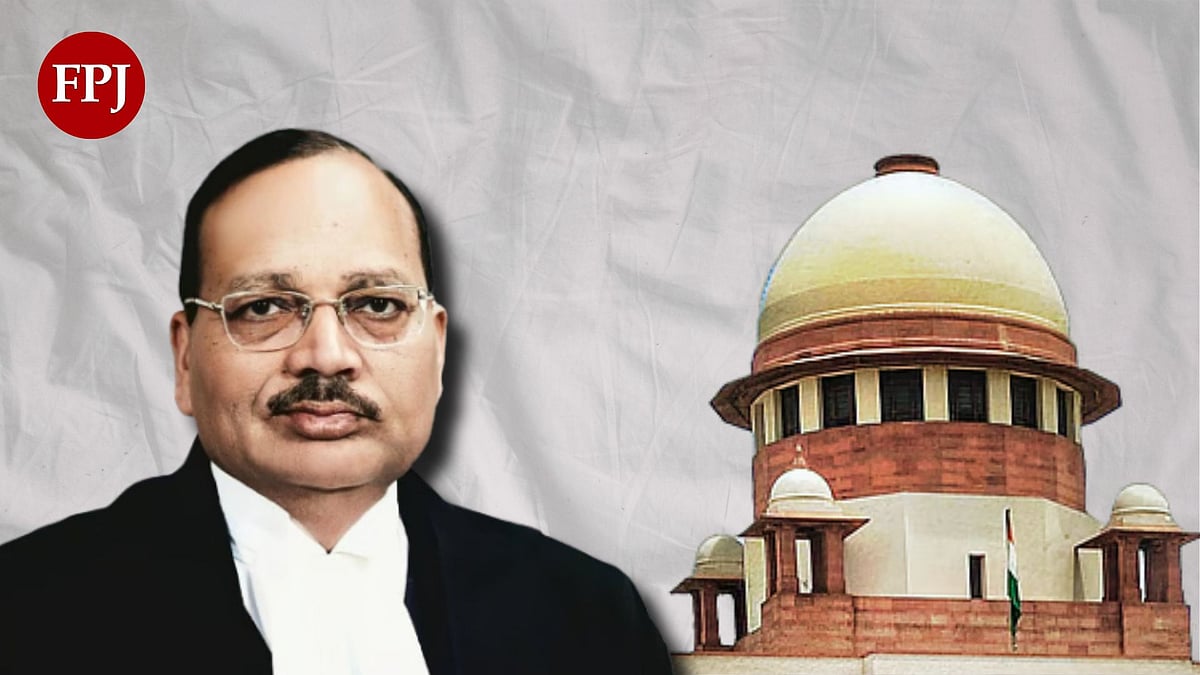
Chief Justice of India Surya Kant | FPJ
The power of the online medium to allow anyone to become a publisher or broadcaster overnight has been causing considerable disquiet in some sections, leading to calls for strict regulation. The controversy over coarse comments made by a digital content creator, Ranveer Allahabadia, on a video show has snowballed into police FIRs, abuse and death threats, and demands for draconian retaliation. It is against this background that the Supreme Court has favoured a new control regime and emphasised the need for a neutral, independent, and autonomous body to regulate obscene, offensive, or illegal content on online platforms. Chief Justice of India Surya Kant, while hearing a batch of cases that cover offensive content, expressed surprise that anyone could start a YouTube channel and remain beyond the pale of regulation. Moreover, self-regulation was not working effectively. It is certainly encouraging that the court did not want to endorse any mechanism that would gag creators and only sought to address a vacuum. The Union government submitted that it had drafted new guidelines and was consulting stakeholders. It is important to point out that the entire issue of free speech online must be framed around the constitutional protection offered by Article 19(1)(a), albeit circumscribed by restrictions laid down in Article 19(2). Some online video shows and offline stand-up comedy do descend into crassness and ribaldry, often ridiculing women, the disabled, and the poor, but there are sufficient safeguards in the available laws to rein in the extremely offensive.
The United States example of determining speech that is offensive, based on the Miller test, may be useful for comparison. The three specific criteria to be met are: whether a work taken as a whole appeals to the prurient, sexual interest as judged by an average person applying contemporary community standards; whether there is a patently offensive depiction or description of sexual functions and so on; and whether the work, taken as a whole, lacks literary, artistic, political, or scientific value. Buttressed by First Amendment rights on free speech, US television and online shows routinely subject high and mighty figures, including the President, to withering scrutiny without fear of retaliation. India lacks a specific statutory guarantee of press freedom, a major lacuna after over seven decades of independence, although it is implicit in the right to speech and thus recognised. When the Union government issued the Information Technology (Intermediary Guidelines and Digital Media Ethics Code) Rules, 2021, adopting a heavily bureaucratic and coercive approach, the issue wound up in the courts, where it awaits a resolution. Any attempt to regulate the online space should only lay down compliance guidelines with clear definitions of what is offensive. In a free society, it should be possible to discuss any subject within the bounds of decency and not fear retribution or engineered rage. Wide tolerance and the opportunity for defense form the core of creative free speech.
Published on: Saturday, November 29, 2025, 12:50 AM ISTRECENT STORIES
-
-
-
-
-