India Must Fight The Heatwave On A War Footing
Rising heatwaves in India are causing major economic losses, reduced labour productivity, and higher inflation risks. Experts warn that without urgent action such as heat-resilient infrastructure and policy reforms, extreme temperatures could significantly impact GDP, jobs, and livelihoods by 2030.

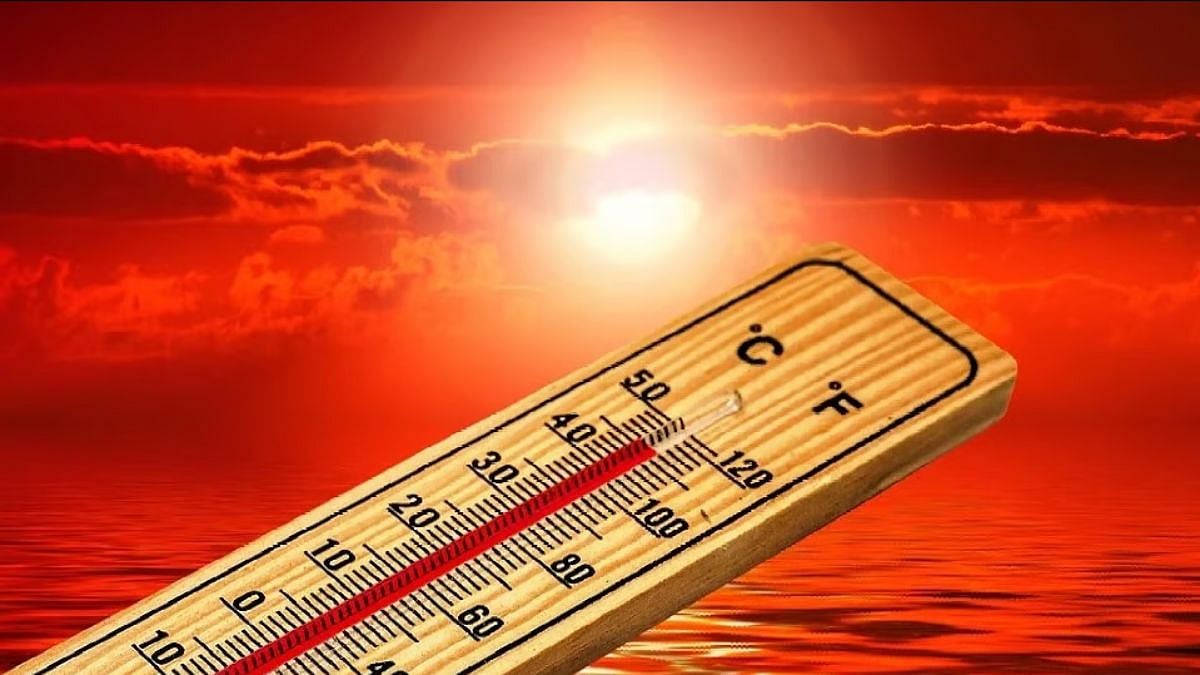
Extreme heatwaves across India intensify, posing risks to public health, productivity, and economic stability | Representational Image
Indian cities are going through one of the most intense heatwaves, which might turn out to be far worse than the one in 2024, which, according to the Met Dept, was the worst since 1901. While the reasons for the heatwave, according to the Met Office, are anti-cyclonic circulation, dry winds, low humidity, and climate change trends, they can no longer be seen just as a public-health emergency; they are an economic shock that is already costing the country billions of dollars and billions of labour hours.
The result of the 2024 heatwave was extremely alarming and severely hurt the economy. About 247 billion labour hours were lost in that year, and roughly $194 billion in economic losses resulted from heat exposure. Agriculture accounted for 66 per cent of losses and construction about 20 per cent.
Economic and inflationary impact of heatwaves
Heat waves also affect inflation. They damage crops, leading to reduced yield, disrupting supply chains along the way, and this leads to higher food prices and can weaken rural demand. Higher electricity demand for cooling and water pumping can severely strain power systems, raise operating costs and electricity bills, and cause outages, which in turn hit manufacturing and services. India could account for 34 m of the projected 80 m global job losses from heat stress-associated productivity decline by 2030 (World Bank, 2022).
Further, up to 4.5 per cent of India’s GDP could be at risk by 2030, owing to lost labour hours from extreme heat and humidity conditions, according to an RBI report released in May last year. Even a one-degree rise in temperature could cut informal workers’ net earnings by 16 per cent, as they are far more exposed, according to one study. They were 17 times more likely than formal workers to suffer heat-related productivity loss under similar conditions.
Need for immediate and long-term measures
What the government can immediately put into action is to have better heat action plans, with clearly defined triggers, public alerts, cooling centres, emergency health capacity, and staggered work hours in schools and workplaces. Beyond that, cities need to be redesigned to withstand heat, which means cool roofs, better insulation, more trees and shade, and urban water bodies where feasible.
India should consider heat resilience as economic infrastructure, not just disaster management, over the next few years. That would mean funding heat action plans to link them with local health systems, investing in weather forecasting and last-mile alerts, and incorporating heat risk into labour, housing, power, and agricultural policy.
India cannot afford to fight heat with a series of advisories per se and must instead pursue a whole-of-economy adaptation strategy. Without that, hotter summers will continue to erode growth, squeezing household incomes and widening inequality, which citizens can ill afford in times like these.
Urgency of environmental action
The country should also take urgent action to increase dwindling forest cover, as an FAO-linked analysis cited in 2023 reported that India lost about 668,400 hectares of forests between 2015 and 2020 alone—the second highest deforestation rate globally over those five years.
RECENT STORIES
-
-
-
-
-