Impartiality Is The Key To Elections
A newspaper report highlighted 14 objections raised by Election Commissioners Sukhbir Singh Sandhu and Vivek Joshi over voter registration, deletions and electoral software, while the Election Commission said such deliberations are normal and final decisions were unanimous.

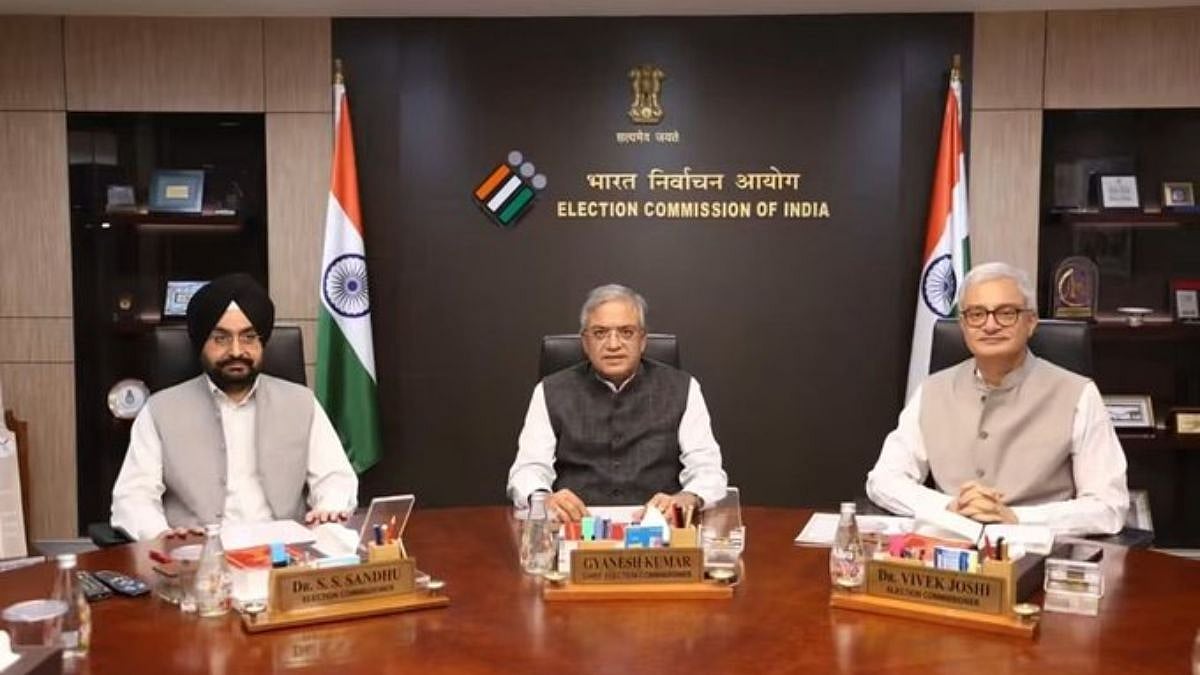
Impartiality Is The Key To Elections | X @AtulGupta1971
The Election Commission’s two written responses and the photograph of bonhomie among its three members have done little to answer the questions raised by a recent newspaper report. The report documented at least 14 objections by Election Commissioners Sukhbir Singh Sandhu and Vivek Joshi over ten months on voter registration, deletions, Form 6, and electoral software. The Commission says such objections are normal deliberation and that final decisions were unanimous. But that does not explain why objections on matters affecting citizens’ voting rights were made, or why some were apparently ignored. The scale of the SIR makes the questions even more serious. More than 13 crore names were struck off draft electoral rolls across 30 states and union territories. Even if many deletions were subsequently found justified, such an exercise demands extraordinary transparency because a voter wrongly removed from the rolls is effectively disenfranchised and deprived of many government benefits.
The Form 6 controversy is particularly troubling. The form was changed to ask new voters whether they, their parents or grandparents appeared on the electoral roll of the last SIR, despite objections from the two Commissioners. One called the change “unauthorised and illegal”. The Commission’s subsequent corrective measures cannot substitute for an explanation of who authorised the change and why the objections were overridden. The BJP says differences within the Commission demonstrate healthy deliberation; the Opposition sees them as evidence of compromised functioning. These are political interpretations. The documentary record, however, requires independent scrutiny. The Commission cannot expect a photograph of cordiality to erase written objections concerning who can vote and who can be deleted. Equally disturbing is former Kerala chief secretary Giji Thomson’s allegation that Gyanesh Kumar had offered him a BJP ticket and indicated that victory could lead to a Union ministerial position. This remains an allegation, not an established fact, but it inevitably raises questions about perceptions of impartiality.
The Election Commission is not an ordinary government institution. Its credibility depends on the confidence of citizens and political parties alike. The issue is not whether Commissioners can disagree; they can. The issue is whether objections concerning millions of voters were properly considered and transparently resolved. The Supreme Court should closely examine the SIR process: the legal basis for Form 6 changes, the deletion and restoration of names, appeals filed by the Commission, and control of electoral databases. It should establish whether the rights of genuine voters were adequately protected. Democracy cannot permit the machinery meant to protect the franchise to become opaque. Every deletion must be justified, every objection answered, and every eligible voter protected. When millions have already been removed, nothing should be left to chance. The burden of proof lies especially heavily on an institution entrusted with elections.
RECENT STORIES
-
-
-
-
-