Sun Tzu’s 'Art Of War' In Action? US Uses Ancient Chinese Military Strategy To Control Hormuz During Oil Passage
The US military's operation to escort 40 commercial vessels through the Strait of Hormuz while striking nearly 60 Iranian targets mirrors strategic principles associated with Sun Tzu's The Art of War. Washington is combining military action, control of the key waterway and economic pressure while protecting commercial shipping, as operations targeting Iran's nuclear programme are deprioritised.

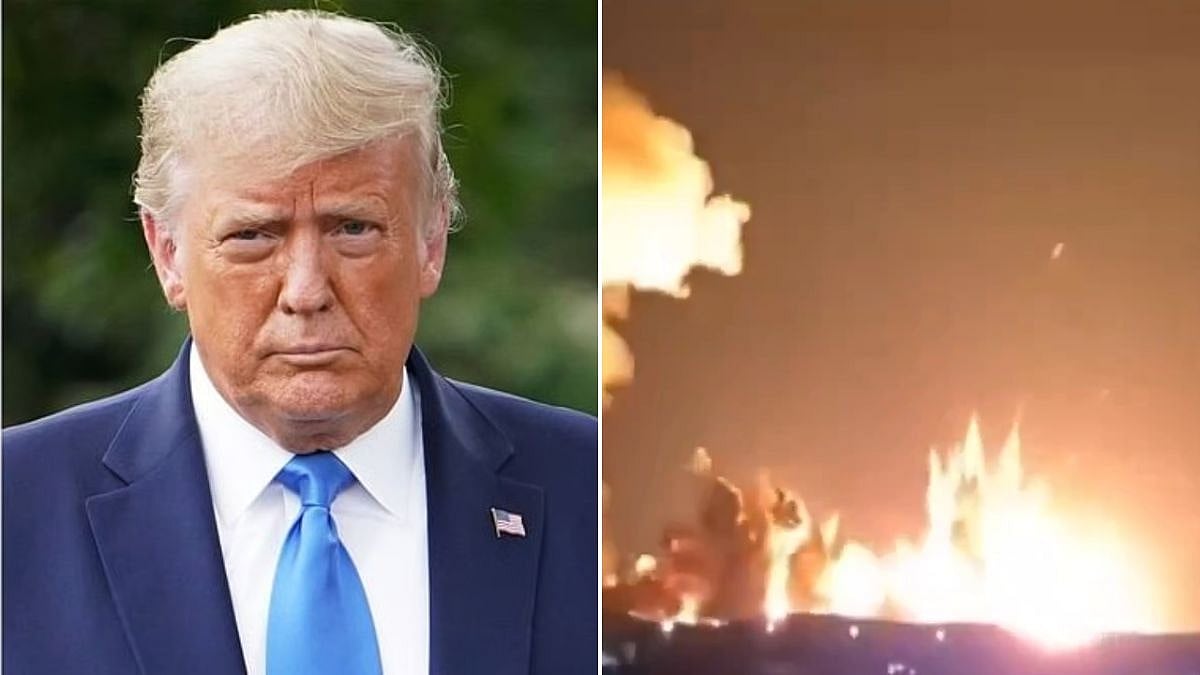
Sun Tzu’s 'Art Of War' In Action? US Uses Ancient Chinese Military Strategy To Control Hormuz During Oil Passage | File pic
Washington: The US military’s high-risk operation to escort 40 commercial vessels carrying around 18 million barrels of oil through the Strait of Hormuz amid an escalating confrontation with Iran has drawn striking parallels with the strategic principles outlined by ancient Chinese military strategist Sun Tzu in The Art of War.
The operation combined military force, control of a critical chokepoint, protection of economic lifelines and pressure on an adversary’s vulnerabilities, tactics that reflect Sun Tzu’s emphasis on winning through strategy and positioning rather than relying on brute force alone.
Strategic Escort For 40 Commercial Vehicles
According to two US officials cited by CNN, the 40 commercial vessels were escorted through the strategic waterway on Tuesday, marking a wartime high. At the same time, US forces struck nearly 60 Iranian military targets around the Strait of Hormuz. The targets included Iranian air-defence installations, radar systems, maritime assets, mine-laying capabilities and communications facilities, according to the officials.
US forces also defended the escorted vessels against waves of drone attacks and neutralised anti-ship cruise missiles, as Washington sought to keep commercial traffic moving through one of the world’s most important energy chokepoints.
ALSO READ
Before the conflict began more than six months ago, around 20 million barrels of oil passed through the Strait of Hormuz every day. Shipping has since fallen dramatically, disrupting global energy markets and pushing prices higher.
The American operation involved air, naval and space-based assets and was part of a wider strategy focused on controlling the strait, protecting commercial shipping and restricting Iran’s oil flows. US Central Command has been directed to concentrate on the waterway and prevent oil exports from entering or leaving Iranian ports.
Application Of Sun Tzu's Principles
The strategy has parallels with several of Sun Tzu’s core principles: know your enemy, attack vulnerabilities, control the battlefield and secure victory before committing to prolonged combat.
Rather than simply targeting Iranian forces, Washington is simultaneously attempting to control the strategic environment around the conflict. By protecting commercial vessels while striking Iran’s military capabilities near the waterway, the US is seeking to reduce Tehran’s ability to threaten shipping while maintaining pressure on its economy.
Despite the US military escort, concerns among energy companies about sending ships through the strait remain high. Oil prices continue to remain elevated, adding to volatility across global markets.
The focus of the US campaign has also shifted. According to a US official, operations aimed at eliminating elements of Iran’s nuclear programme have effectively been 'backburnered' as Washington prioritises securing the waterway and restricting Iranian oil flows.
The contest over Hormuz therefore extends far beyond a conventional military confrontation. By combining control of a strategic chokepoint, protection of global commerce, economic pressure and targeted military action, Washington’s latest approach offers a modern example of the strategic logic associated with Sun Tzu: control the conditions of the conflict, exploit the opponent’s weaknesses and make the battlefield itself part of the weapon.
RECENT STORIES
-
-
-
-
-