Pakistan Forced To Sell Pakistan International Airlines Under IMF Pressure; Asim Munir-Linked Fauji Firm Among Final Bidders
Once considered a premier Asian carrier, PIA is now being offloaded under strict directives from the International Monetary Fund (IMF), which has tied the airline’s divestment to its USD 7-billion bailout package. With Pakistan surviving on loans, rollovers and emergency funding, the IMF-imposed conditions have forced Islamabad into rapid fiscal restructuring.

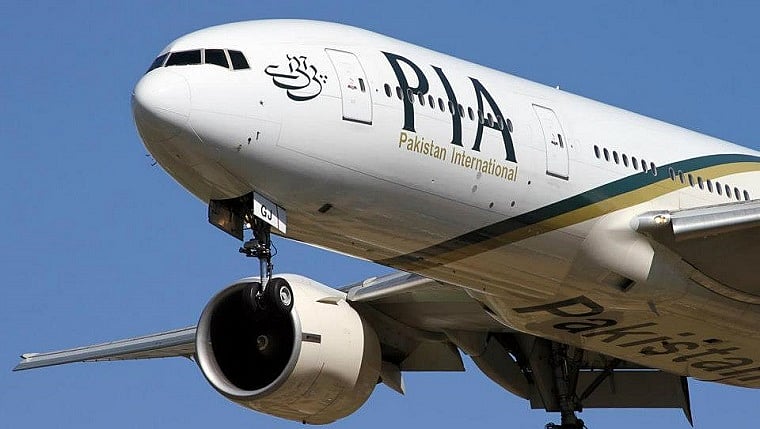
Pakistan International Airlines (PIA) | X/@firox2_3
Pakistan’s deepening economic crisis has pushed the country into one of its most dramatic privatisation moves in decades, the sale of Pakistan International Airlines (PIA).
Once considered a premier Asian carrier, PIA is now being offloaded under strict directives from the International Monetary Fund (IMF), which has tied the airline’s divestment to its USD 7-billion bailout package. With Pakistan surviving on loans, rollovers and emergency funding, the IMF-imposed conditions have forced Islamabad into rapid fiscal restructuring.
Prime Minister Shehbaz Sharif announced that the bidding for PIA will take place on December 23, 2025, and will be telecast live across all media platforms in a bid to ensure transparency. The government is offering between 51 per cent and 100 per cent of its stake to private buyers, marking Pakistan’s first major privatisation attempt in nearly twenty years.
Four bidders have been shortlisted: Lucky Cement Consortium, Arif Habib Corporation Consortium, Air Blue Limited and Fauji Fertiliser Company Limited, the last of which is part of the powerful military-run Fauji Foundation, one of Pakistan’s most influential corporate conglomerates. Although Army Chief General Asim Munir does not sit on the board, he controls the appointments that effectively guide the foundation’s decision-making, extending the military’s grip over Pakistan’s economic assets.
The IMF’s pressure comes at a time when Pakistan has been on the brink of sovereign default. In 2023, the country narrowly avoided collapse, grappling with ballooning external debt, dwindling reserves and massive defence spending. With Pakistan now the IMF’s fifth-largest debtor and having accepted more than 20 IMF loans since 1958, the bailout is critical to keeping the economy afloat. Of the USD 7 billion programme approved in 2024, only USD 1 billion has been disbursed so far, with the rest tied to strict reforms like the PIA sale.
Also Watch:
What Led To PIA's Downfall?
PIA’s decline, however, began long before the IMF stepped in. The airline spiralled into crisis in 2020 when it was revealed that over 30 per cent of Pakistani pilots held fake or questionable licences, triggering the grounding of 262 pilots. International regulators immediately cracked down. The EU Aviation Safety Agency banned PIA flights, followed by the UK and US, wiping out lucrative routes and devastating revenues.
Internally, chronic overstaffing, political interference, nepotism, corruption and massive debt exceeding PKR 200 billion choked the airline further. The crash of PIA Flight 8303 deepened the crisis, forcing costly safety overhauls at a time when the airline had no financial buffer left.
PIA’s collapse mirrors Pakistan’s own, not caused by one crisis, but by years of systemic mismanagement that finally reached a breaking point. The privatisation now underway is not just a business decision, but a symbol of a nation pushed to restructure its very foundations to survive.
RECENT STORIES
-
-
-
-
-