Pakistan Faces Medicine, Infant Formula Shortage As US-Iran Conflict Disrupts Supply Chains
Pakistan is facing shortages of medicines and infant formula due to supply disruptions linked to the US-Iran conflict. Heavy reliance on imports and lack of policy preparedness have led to rising prices and limited availability, affecting patients dependent on critical treatments.

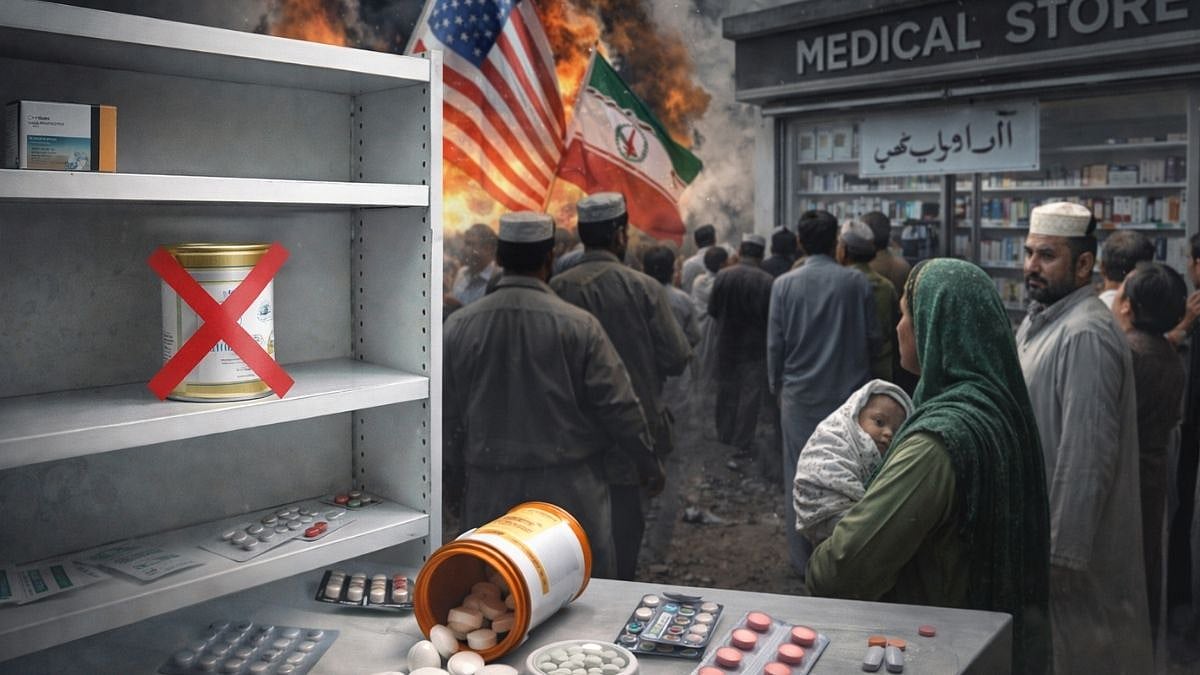
Medicine and infant formula shortages hit Pakistan as global supply disruptions worsen | AI Generated Representational Image
New Delhi, April 18, 2026: The US-Iran conflict has disrupted supplies of life-saving medicines and infant milk formula in Pakistan, exposing gaps in the country’s healthcare preparedness and policy framework, a report has said.
Supply disruptions trigger shortages and price rise
According to a report published in Pakistan Observer, the supply shock has led to shortages and rising prices, causing distress among patients, particularly those dependent on critical drugs and imported nutritional products.
Concerns over lack of policy and price control
Mohammad Atif Hanif Baloch, President of the Wholesale Chemists Council of Pakistan, was quoted as saying that the government lacks a clear policy to ensure uninterrupted availability of essential medicines or mechanisms to control prices.
"If the conflict in the Gulf region continues, prices of medicines, including those used for cancer, diabetes, insulin and heart diseases could rise sharply," he added.
Infant formula shortage likely to hit low-income groups
He further stated that there could also be a severe shortage of infant formula, which is entirely imported, and the burden would fall disproportionately on low-income groups.
Regulator flags supply chain concerns
Moreover, the Drug Regulatory Authority of Pakistan (DRAP) has flagged concerns over medicine availability as the crisis disrupts global supply chains.
Heavy reliance on imports adds to crisis
In addition, Pakistan relies heavily on imports for both finished drugs and raw materials, known as Active Pharmaceutical Ingredients (APIs), with industry estimates suggesting nearly 90 per cent of APIs are sourced through Gulf ports.
Stocks may last only two months
Additionally, a Health Ministry official said that existing medicine stocks may not last beyond two months if supply disruptions persist.
Experts warn of impact on local production
Dr Akram Sultan, a former health official, said Pakistan’s failure to develop domestic API production could severely impact the availability of medicines, vaccines and essential raw materials.
"Pakistan currently has no effective strategy to produce pharmaceutical raw materials locally, and the private sector has not invested adequately in this area," he said.
Industry flags policy bottlenecks
Industry bodies also flagged policy bottlenecks, including delays in price approvals, as a major constraint in responding to the crisis.
Also Watch:
ALSO READ
Warning over paediatric TB medicines shortage
Meanwhile, the Pakistan Medical Association warned of shortages in essential paediatric tuberculosis medicines, cautioning that this could lead to a surge in drug-resistant TB among children.
Patients already facing treatment disruptions
Disruptions are already affecting patients undergoing cardiac, cancer and transplant treatments, according to the report.
(Disclaimer: Except for the headline, this article has not been edited by FPJ's editorial team and is auto-generated from an agency feed.)
RECENT STORIES
-
-
-
-
-